Israel-Lebanon Ceasefire Tests Canada's Regional Evacuation Planning

A fragile ten-day cessation of hostilities between Israel and Lebanon brokered by the United States on April 16 has opened a narrow window for Canada to ready evacuation plans for thousands of Canadians still in Lebanon and Israel. The truce, intended to create conditions for broader negotiations, has already been shadowed by reports of violations, and Ottawa has been urging Canadians in the region to register with Global Affairs Canada and, where possible, to leave voluntarily before the situation deteriorates.
The wider regional context remains tense. Israel's war in Lebanon, linked to the broader 2026 Iran war and to continuing operations in Gaza, has produced heavy casualties and mass displacement. Canadian diplomatic engagement has included pressing for Lebanon's inclusion in broader ceasefire discussions and for predictable humanitarian corridors that would allow civilians and foreign nationals to move to safer locations.
The ceasefire framework
The April 16 agreement established a ten-day cessation of hostilities intended to halt active fighting and create conditions for further negotiations toward a longer-term settlement. Brokered by the United States, with engagement from Arab partners and European actors, the truce was welcomed broadly as a first step while its specific terms remained partially opaque.
Implementation has been uneven. Reports of violations on both sides began almost immediately, with each party accusing the other of breaches. Senior Israeli military officials have said that a Yellow Line model similar to that implemented in Gaza will be applied in Lebanon, restricting civilian return to 55 Lebanese towns and villages. Lebanese authorities and international observers have disputed the compatibility of such restrictions with the ceasefire's spirit.
United Nations experts have publicly condemned Israeli bombing in Lebanon following the ceasefire announcement and called for immediate cessation of hostilities. The UN Human Rights Office has drawn parallels between evacuation orders and housing destruction in Lebanon and similar tactics seen in Gaza, framing them as potentially constituting a policy of deliberate displacement.
Canada's posture
Ottawa has taken a publicly active diplomatic posture. Foreign Affairs Minister Anita Anand has urged Lebanon's inclusion in any broader ceasefire negotiations, pressed for guaranteed humanitarian access, and reiterated Canada's call for a durable political solution. Canadian diplomats have engaged with the United States, France, Arab League members and the United Nations Office for the Coordination of Humanitarian Affairs.
Consular services have been under heavy demand. Canadian citizens and permanent residents in Lebanon and Israel have been encouraged to register through the Registration of Canadians Abroad system and to maintain contact with consular posts. Commercial flight options have been constrained, and Canadian officials have been coordinating with allied partners on contingency transport.
Historical precedents weigh on current planning. Canada's 2006 evacuation of more than 14,000 Canadians from Lebanon during the Israel-Hezbollah war remains the largest evacuation in Canadian diplomatic history. Lessons from that operation, including logistical coordination with airlift partners and processing of dual citizenship documentation, continue to inform current preparations.
The Lebanese crisis
Lebanon has suffered heavily in the current conflict. Estimates of casualties have exceeded 2,000 dead by mid-April, with more than a million people displaced. The country's already fragile infrastructure, strained by years of economic collapse, has buckled under the combined weight of displacement, damage and disrupted services.
Beirut's capacity to absorb the humanitarian burden is severely limited. Aid agencies and municipal authorities have set up emergency shelters, but capacity is short and funding is thin. International donor commitments, including from Canada, have been essential to sustaining even baseline humanitarian response.
The political picture in Lebanon is complicated by the weakness of central government institutions and by the involvement of Hezbollah in both the fighting and in Lebanon's political system. Any longer-term settlement of the war will require addressing Hezbollah's role, a question that remains deeply contested both within Lebanon and among regional actors.
Dual citizens and consular reach
Canada has a substantial diaspora with ties to Lebanon, Israel and the broader Levant. Estimates of Canadian citizens, permanent residents and dependents in the immediate region run into the tens of thousands, with significant concentrations linked to Canadian communities in Montreal, Toronto, Ottawa and Halifax.
Consular services face the structural challenge that a significant portion of eligible registrants do not register in advance. Outreach through community organisations, religious institutions and diaspora networks has been an important complement to the Registration of Canadians Abroad system, particularly in the current cycle.
Financial support for evacuation remains a live political issue. Canadian evacuation policy typically recovers costs from evacuees, an approach that has drawn criticism in past emergencies. The government has indicated that the details of any evacuation, including cost recovery, would be determined based on operational realities.
Humanitarian funding
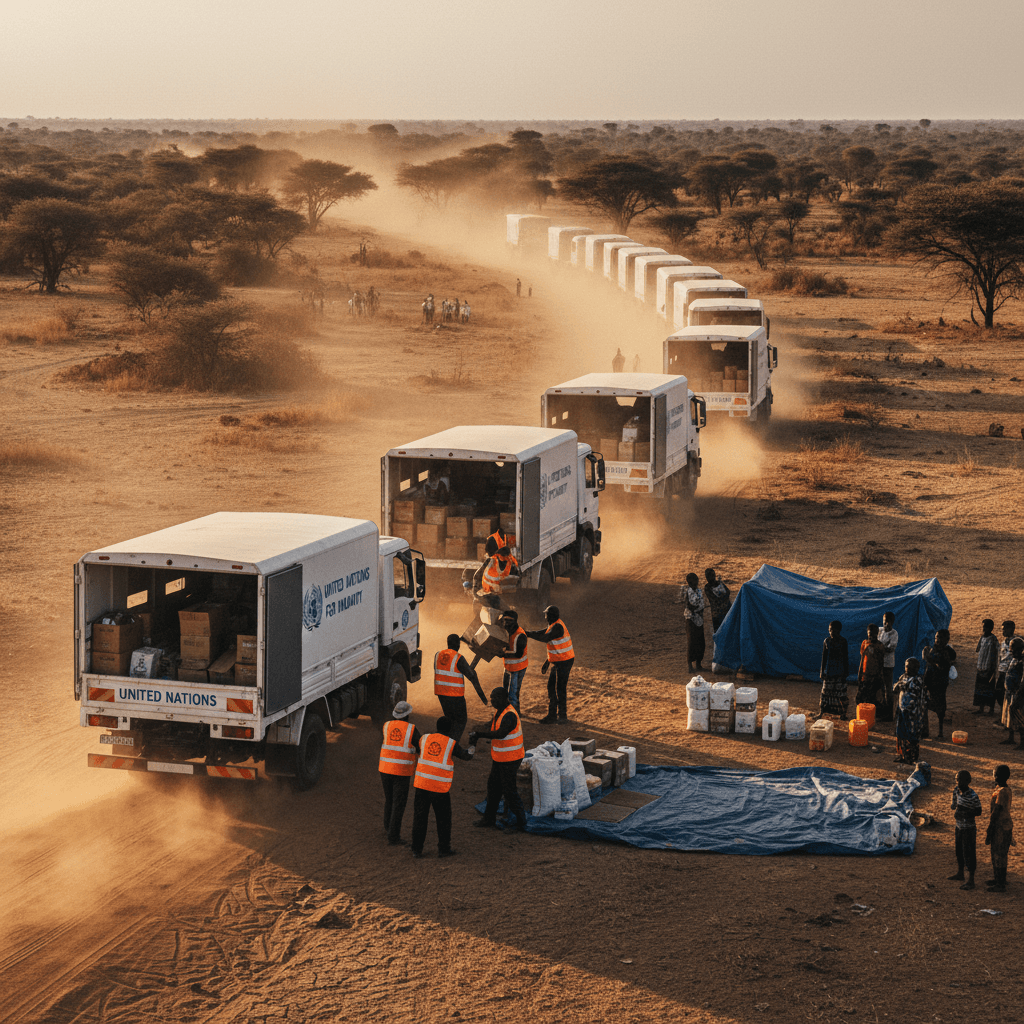
Canada's humanitarian funding for Lebanon has been substantial through the current crisis. Allocations through Global Affairs Canada channels have supported the United Nations Relief and Works Agency, the World Food Programme, the International Committee of the Red Cross, and Canadian NGO partners operating in Lebanon.
Gaza remains a parallel humanitarian priority. Canadian funding through UNRWA and other channels has been directed to food, water, shelter and medical services for displaced Palestinians. The politically complex question of humanitarian access in Gaza, including reconstruction financing, has also engaged Canadian diplomacy at multilateral forums.
Maintaining focus on Sudan, Ukraine, Lebanon and Gaza simultaneously is a structural challenge for Canadian humanitarian funding. Global Affairs Canada has argued that sustained engagement across multiple crises is essential, but budget constraints and political attention cycles inevitably create trade-offs.
Regional diplomacy
Canadian diplomats have been active at the United Nations, in Washington, and in regional capitals. Coordination with European partners, particularly France, which retains deep ties to Lebanon, has been a consistent feature of Canadian engagement. Canada has also been engaged through its G7 role, where coordinated positions on Lebanon, Israel and Iran have been a recurring agenda item.
The Iran war, which continues in a complicated ceasefire phase since its own US-Iran agreement on April 8, remains the larger backdrop. Lebanon's position inside that broader conflict, particularly through Hezbollah's links with Tehran, means that Lebanese de-escalation cannot easily be separated from regional dynamics. Canadian diplomatic positions have consistently pressed for a regional rather than bilateral framework.
Gulf states, particularly Qatar and Saudi Arabia, have played an important mediating role in several recent negotiations. Canada has engaged with those capitals both bilaterally and through multilateral fora, with the goal of supporting negotiated pathways that reduce civilian harm and create conditions for longer-term regional stability.
Economic and energy effects
The ceasefire's implications for Canadian energy markets are material. Broader regional stability would moderate the oil price spike that has been weighing on Canadian consumer costs, while renewed escalation would push prices higher. Finance Canada is closely watching the ceasefire's durability as an input into its own forecasts.
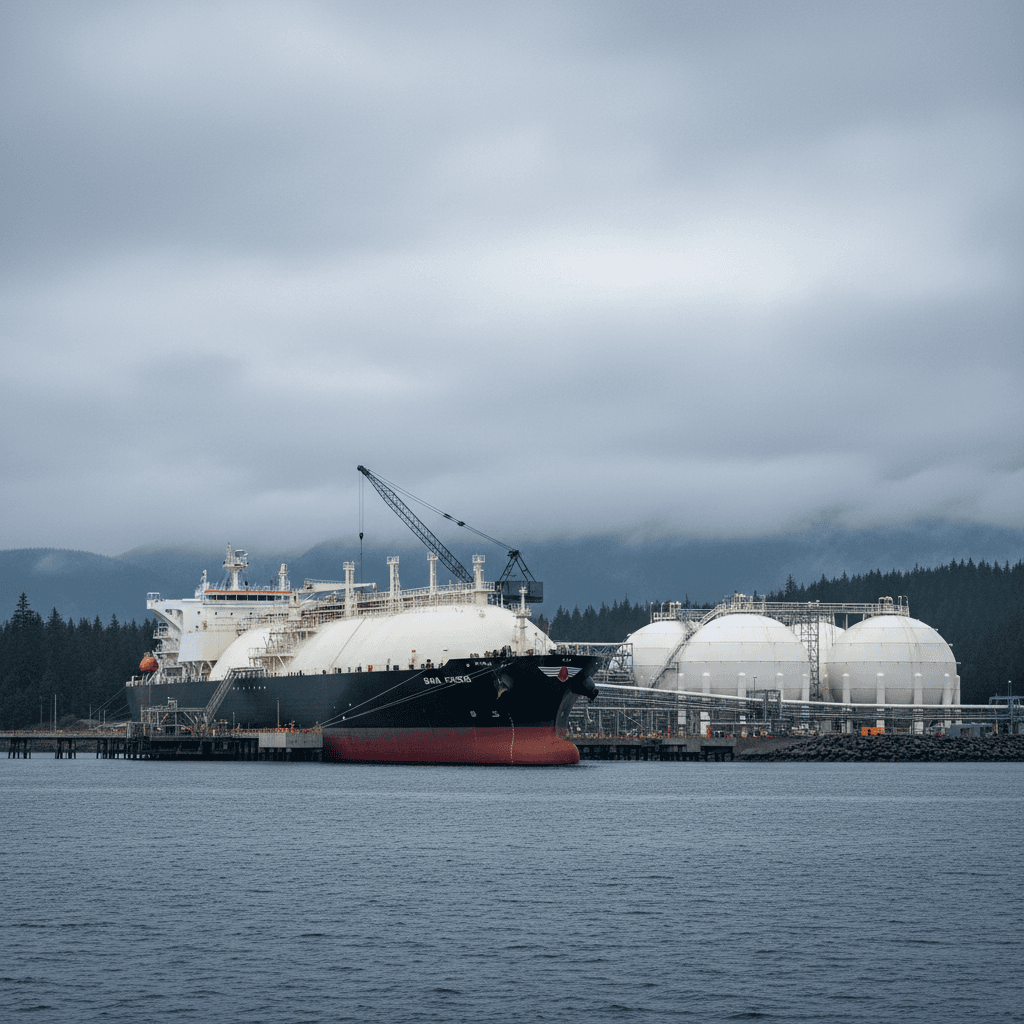
Canadian LNG, oil and LPG exporters have benefited indirectly from Middle East supply disruption, positioning Canadian energy as a stable alternative for Asian buyers. The ceasefire's durability, or fragility, affects how quickly that advantage fades, and Canadian trade officials have been tracking the scenario closely.
Insurance markets, shipping routes and commodity hedging have all been repriced during the past months. Any return to normal Strait of Hormuz traffic would reduce risk premia significantly, but insurers and shipping firms remain cautious given the ceasefire's uncertain footing.
Canadian domestic politics
The Middle East file has become politically charged in Canada over the past two years. Public demonstrations in Toronto, Montreal, Vancouver, Calgary and Ottawa have reflected divergent views within Canadian communities on the conflict, and parliamentary debate has at times been sharply polarised. The Carney government has sought to maintain a balanced position, emphasising international law, humanitarian obligations and the protection of civilians.
Public opinion polling has shown Canadians generally supportive of humanitarian engagement, cautious about Canadian military commitments, and increasingly concerned about consular reach. The political parties have taken varying positions on specific issues, including arms exports to Israel, UNRWA funding, and recognition of a Palestinian state, and those debates are likely to intensify as the ceasefire moves through its fragile early phase.
Community relations within Canada have been strained. Incidents targeting Jewish and Muslim Canadians, synagogues and mosques, have been documented through the current conflict period, and federal and municipal authorities have increased security funding for affected institutions. Maintaining social cohesion at home as the Middle East conflict evolves abroad is a policy priority that Carney has consistently emphasised in public remarks.
What's next
The ten-day ceasefire window runs through the end of the month. Negotiations on extension and on a longer-term framework will depend on how violations are managed, on United States engagement, and on Hezbollah's posture in Lebanon. Canadian diplomats are expected to press for extension at every opportunity.
For Canadians in the region, Ottawa continues to advise voluntary departure while commercial options remain available. Evacuation contingencies are ready but have not been activated. Registration with Global Affairs Canada remains the most important practical step citizens can take.
For the Canadian political conversation, the Israel-Lebanon ceasefire is a reminder of how interconnected Middle East dynamics are with Canadian energy costs, consular obligations and humanitarian funding. The next few weeks will tell whether the ceasefire holds, or whether the region enters another acute escalation phase that tests Canadian diplomatic and operational capacity again.
Spotted an issue with this article?