Alberta Separation Vote Shadows Western Premiers Meeting in Kananaskis
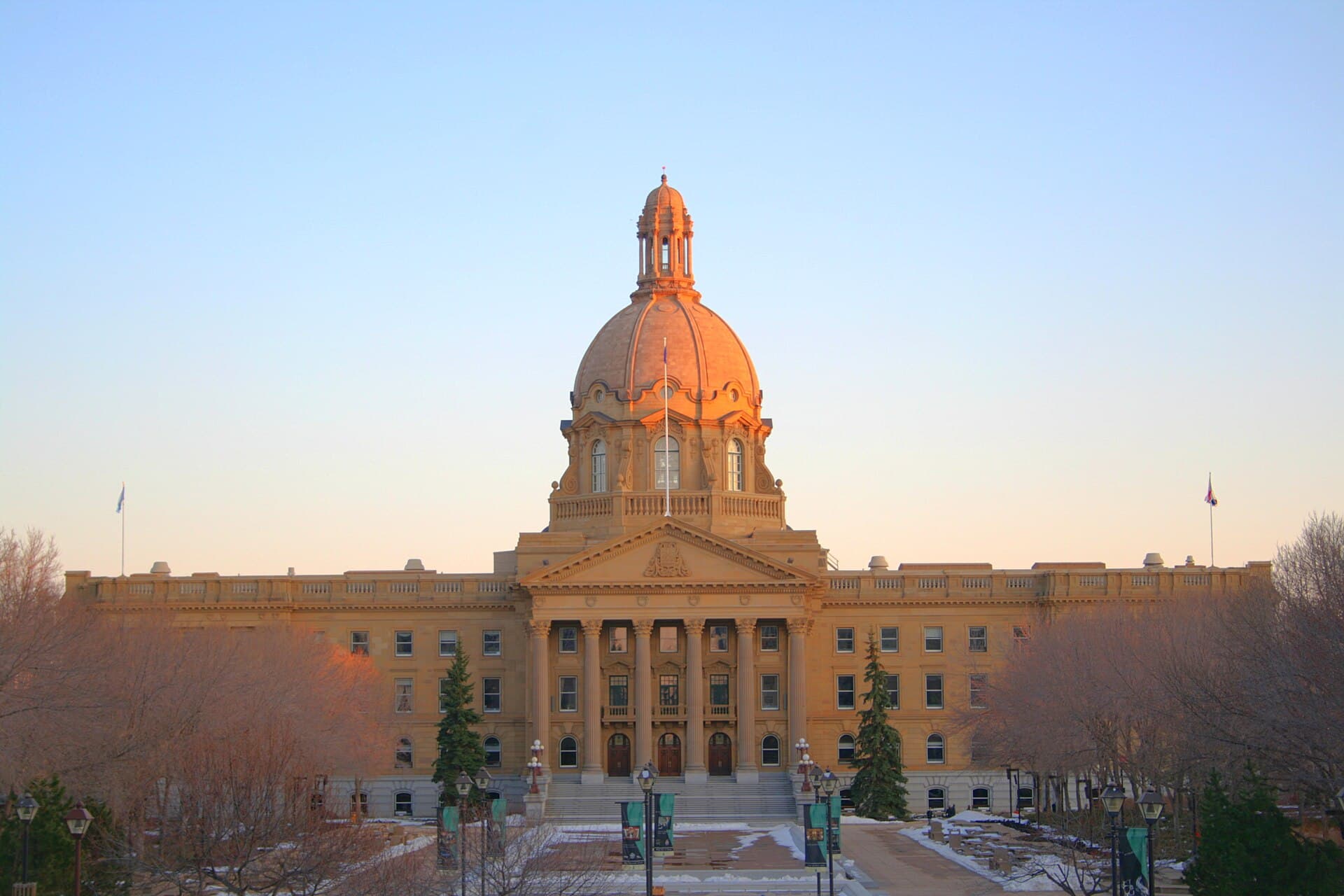
Premiers from across western Canada and the territories arrived in Kananaskis this week for what was supposed to be a discussion about pipelines and trade corridors. Instead, the two-day conference has been overshadowed by Alberta Premier Danielle Smith's confirmation that the province will hold a referendum on October 19 asking Albertans whether they want to remain in Canada or trigger a binding vote on leaving. The announcement has produced rare public friction among premiers who normally close ranks against the federal government.
What is on the ballot
Smith confirmed last week that the question put to Alberta voters in October will not directly ask whether the province should leave Canada. Instead, it will ask whether to launch the formal process under the province's referendum legislation to hold a binding separation vote at a later date. Smith has said she personally opposes separation but believes she is legally obligated to put the question forward after a citizen-led petition met the province's signature threshold under the Citizen Initiative Act.
The signature threshold being met is not the same as a referendum being approved. Verification of the signatures, a court review of the referendum question, and the vote itself all still need to be completed. The premier's office has said the question will be confirmed by Elections Alberta in the coming weeks, with the formal campaign period starting in late August.
The Alberta Prosperity Project, the citizens' group behind the separation petition, has framed the referendum as a vehicle for negotiating leverage with Ottawa rather than an immediate exit plan. Critics have pointed out that, regardless of the question's wording, a yes vote would land Alberta in years of constitutional uncertainty.
How the other premiers reacted
British Columbia Premier David Eby has been the sharpest critic of the announcement. Speaking to reporters as he arrived in Kananaskis, Eby said the timing was reckless given the trade pressure Canada is already facing from the Trump administration. He warned that the referendum process empowered those who would, in his words, break the country up and sell it for parts. Eby has questioned whether the standard western premiers' communique can even be agreed this year given the gulf in views.
Manitoba Premier Wab Kinew called publicly for Smith to pause the vote for a year or two, arguing that the focus across the country should be on building shared infrastructure including an Alberta pipeline to the West Coast. Kinew said the megaproject momentum across provinces would be undermined by the uncertainty a separation vote would inject into capital markets.
Saskatchewan Premier Scott Moe took a different tone. While saying he firmly believes Alberta should remain in Canada, Moe said it was not for him as the premier of a neighbouring province to second-guess Smith's decision to follow her province's referendum law. He acknowledged that grievances felt in Alberta were also felt across Saskatchewan, including over federal energy policy, equalisation and emissions regulation.
Nunavut Premier John Main, participating virtually, said the conversation should refocus on infrastructure investment in northern and remote communities, where federal capital projects remain backed up and shovel-ready proposals continue to wait for approval.
What Ottawa is saying
Prime Minister Mark Carney has consistently called Alberta essential to Canada, repeating the message during a brief news conference in New York earlier this week before his Economic Club address. Carney has avoided directly attacking Smith, instead framing his message around the economic gains his government is delivering for Alberta, including the announced industrial carbon price memorandum of understanding and federal participation in West Coast LNG buildout.
Federal cabinet ministers have been less restrained in private. Several have argued that engaging too aggressively with the referendum would only help the yes side, while ignoring it would allow Smith to control the narrative through the summer. Carney's office has signalled that the prime minister intends to visit Alberta multiple times before the vote, including for public events on energy and infrastructure.
Federal officials have also been quietly examining the constitutional implications of a yes vote. While the Clarity Act requires a clear question and a clear majority for separation negotiations to begin, the proposed October question is a procedural step rather than a separation question, complicating any federal response if Albertans vote yes.
What it means for Canadians
The referendum injects uncertainty into a moment when the federal government has been pushing a message of stability to investors. Carney's New York visit this week was structured around the argument that Canada is a safer destination for capital than the United States at a time of escalating trade and regulatory volatility south of the border. Persistent talk of constitutional fragmentation directly undercuts that message.
For households, the immediate economic effects are limited. But analysts have warned that prolonged uncertainty could weigh on the Canadian dollar, on cross-border investment flows, and on borrowing costs for the federal and provincial governments. Bond market reaction so far has been muted, partly because investors expect a no vote and partly because the question itself is procedural rather than binding.
The longer-term concern, expressed by officials in both Ottawa and provincial capitals, is the political precedent. Once a province has held a citizen-initiated referendum on the question of remaining in Canada, the institutional barrier to repeating the exercise drops significantly. That dynamic has played out in Quebec over decades and now risks being replicated in the West.
Economic and pipeline implications
The premiers had originally hoped to use the Kananaskis meeting to advance a series of joint infrastructure proposals, including a renewed push for an Alberta-to-tidewater pipeline and the expansion of east-west electricity transmission. Several of those discussions have continued in side meetings, but the planned joint communique has been complicated by the dispute over the referendum.
Federal officials have hinted that the National Electricity Strategy announced by Carney in mid-May, which aims to double Canada's grid capacity by 2050, will require deep cooperation from western provinces. That cooperation depends in part on Alberta remaining an active participant in federal-provincial planning, which has become a question rather than an assumption.
The Germany-Canada LNG agreement announced this week was held up by Smith herself as evidence that the province's energy infrastructure is a national asset. Officials in Smith's office have emphasised that, regardless of how the referendum unfolds, Alberta intends to remain a constructive participant in major infrastructure projects.
Reaction from opposition and Indigenous leaders
Alberta NDP Leader Naheed Nenshi has called the referendum a distraction designed to fire up the United Conservative Party base ahead of the next provincial election. Nenshi has said his caucus will campaign actively for the no side and accused Smith of using the separation question to insulate her own leadership from internal pressure within the UCP.
Treaty 6, Treaty 7 and Treaty 8 leaders have all said their treaty relationships are with the Crown and with Canada as a whole, not with the province of Alberta, and that any attempt by Alberta to negotiate separation without First Nations consent would be challenged in court. Several Indigenous governments have signalled they would seek federal protection and constitutional injunctions if a yes vote led to formal separation talks.
Federal Conservative Leader Pierre Poilievre has condemned the referendum but laid blame on the federal Liberal government, arguing that years of energy policy missteps had created the grievances Smith was now channelling. Bloc Québécois Leader Yves-François Blanchet has cautiously welcomed the conversation, saying any province has the right to self-determination, while NDP Leader Don Davies has called the referendum dangerous to national unity.
What's next
Elections Alberta is expected to confirm the final referendum question in the coming weeks. The formal writ period will begin in late August, with the vote on October 19. A simple majority of voters is required to trigger the binding separation referendum process, although the precise threshold for the subsequent binding vote remains under review by the province.
The western premiers' meeting will conclude with a partial communique focused on areas of consensus, including northern infrastructure, agricultural trade and emergency preparedness for wildfire season. The deeper conversations about constitutional unity will continue at the upcoming Council of the Federation summer meeting, where all premiers and territorial leaders will gather to attempt to find common ground.
Spotted an issue with this article?
Have something to say about this story?
Write a letter to the editor


Comments
Be the first to comment.