Wildfire Season Arrives Early as Saskatchewan and Manitoba Declare Emergencies
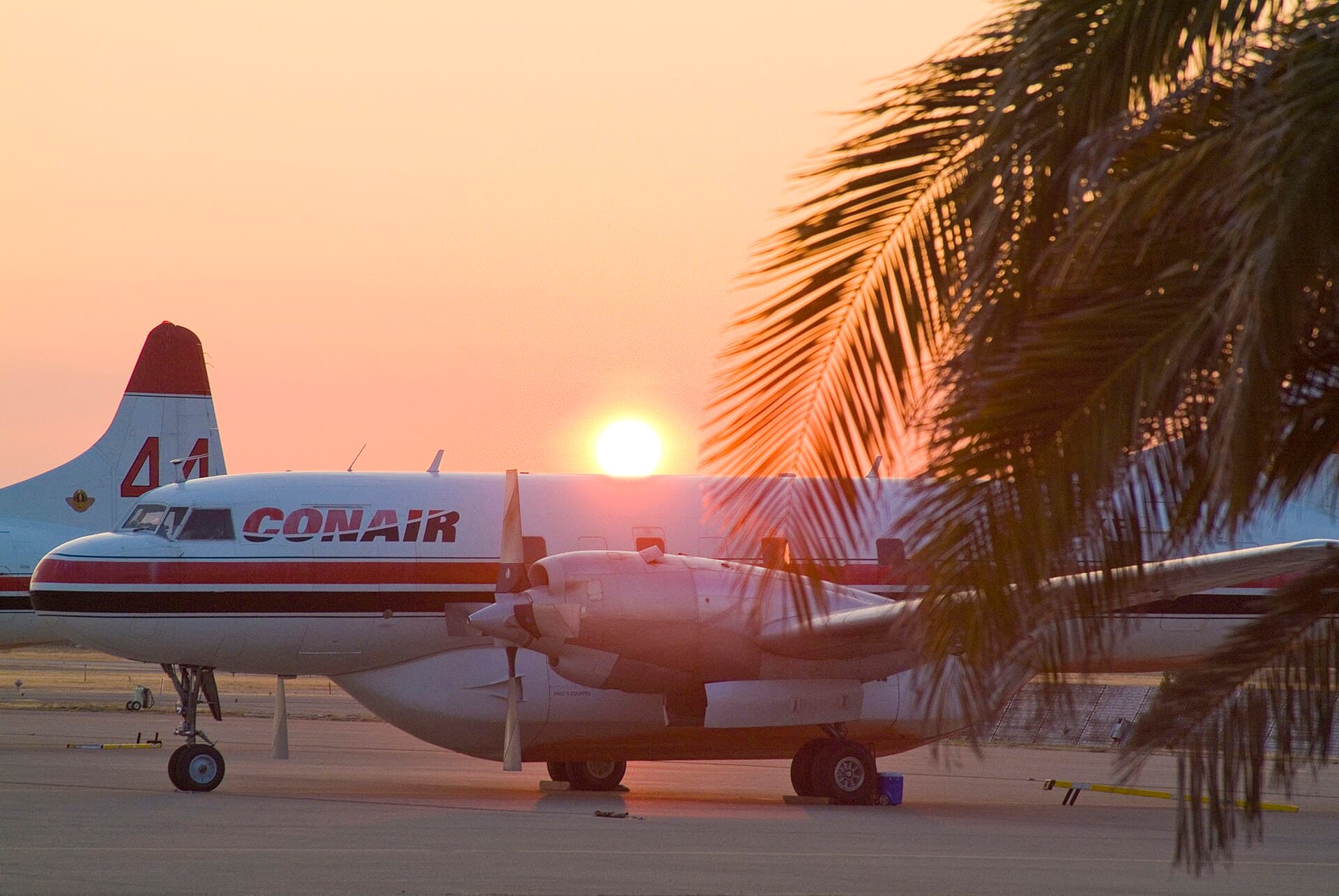
The Canadian wildfire season has arrived early and with force, with Saskatchewan and Manitoba declaring provincial states of emergency by late May and thousands of residents evacuated from communities across the Prairies, northern Ontario and parts of British Columbia. The early outbreak has stretched provincial firefighting resources, prompting federal officials to launch a new national wildfire air fleet of aircraft leased from British Columbia firms to support fires in regions where local capacity is overwhelmed.
Where the fires are burning
Manitoba declared a provincial state of emergency in late May after a series of fast-moving fires in the eastern part of the province forced communities to evacuate. The province closed multiple provincial parks under extreme wildfire conditions, and evacuees were sent as far as Ontario after hotel rooms in Manitoba and northwestern Ontario filled up. Saskatchewan followed with its own provincial declaration after fires in the north of the province threatened multiple First Nation communities.
Alberta has been managing a particularly difficult start to the season. A wildfire near Sundre, classified as RWF036 by Alberta Wildfire, remained out of control at more than 1,000 hectares as of mid-May despite cooler temperatures and periods of rain. A fire near Whitecourt, in Woodlands County southeast of the town, forced more than 100 residents to evacuate after destroying at least one home. Earlier in the spring, a fire at the summer village of Sandy Beach, about 65 kilometres northwest of Edmonton, destroyed three homes and severely damaged a fourth before being brought under control.
British Columbia has so far seen lower fire activity in absolute terms but has positioned aircraft and crews on standby as the province enters what is forecast to be another above-average season. The Canadian Interagency Forest Fire Centre's seasonal outlook flagged the Prairies, the boreal forest belt and parts of northeastern British Columbia as the highest-risk areas for the months ahead.
The new national air fleet
The federal government has stood up a new national wildfire air fleet of ten aircraft leased from three British Columbia firms, designed to be deployed rapidly to hot spots wherever they emerge across the country. B.C.-based pilot Bryan Jeffrey is among the crew operating the leased aircraft, which include water bombers and lead planes that direct the larger tankers onto target.
The federal model is modelled on the existing Canadian Interagency Forest Fire Centre framework, which coordinates resource sharing among provinces and territories. The new air fleet effectively provides a federally funded reserve that provinces can call on when local resources are committed elsewhere, reducing the need for province-to-province resource lending during peak periods.
Federal officials have framed the air fleet as part of a broader effort to strengthen Canada's wildfire response infrastructure following three consecutive severe fire seasons. The 2023, 2024 and 2025 seasons were among the worst on record by area burned, with smoke from Canadian fires reaching as far south as the US East Coast and as far east as Europe.
Communities affected
The fastest-moving evacuations of the season so far have been in central Alberta, Saskatchewan and Manitoba, where small communities and First Nation reserves have been particularly affected. Several First Nation communities in Manitoba's east have been evacuated to Winnipeg and to other Prairie cities, with the Canadian Red Cross coordinating shelter operations.
For evacuees, the displacement has been longer than in previous years because hotel capacity in nearby communities has filled quickly. Some Manitoba evacuees have been bussed to communities in northwestern Ontario, while Saskatchewan evacuees have been sent into Alberta and to provincial reception centres in larger urban areas. Indigenous Services Canada has activated funding for evacuation supports.
Cumulatively, several thousand people are estimated to have been displaced since the start of the wildfire season, with the number likely to grow as fire activity continues through June and July. The 2023 season displaced more than 230,000 Canadians at its peak; officials have cautioned that this season's totals could approach those levels if conditions do not improve.
Climate and forecasting context
The Canadian Forest Service has previously warned that Canada is entering a structurally more difficult wildfire era, with warmer and drier spring conditions across the boreal forest extending the fire season at both ends. The 2026 outlook from the Canadian Interagency Forest Fire Centre projected above-normal fire activity across much of central and western Canada through the peak summer months.
Climate scientists have linked the lengthening fire season and the increasing severity of large fires to broader warming patterns in the boreal forest. Spring snowpack across much of the western interior was below normal this year, leaving fuel moisture levels low as warm and windy conditions arrived in April and May.
The federal government's Greenhouse Gas Sources and Sinks report, released earlier this year, noted that wildfire emissions are now a substantial source of carbon release across the boreal forest, complicating Canada's broader emissions accounting. Federal officials have begun work on a national wildfire resilience strategy intended to improve forecasting, response and post-fire recovery.
What it means for Canadians
For Canadians outside the immediately affected regions, the most visible impact of the early fire season has been smoke. Air quality alerts have been issued intermittently across the Prairies and into northern Ontario, with health authorities advising vulnerable populations to limit outdoor activity during peak smoke periods. Major cities including Edmonton, Saskatoon and Winnipeg have all seen periods of elevated fine particulate readings.
The insurance industry is also bracing for another expensive season. The Insurance Bureau of Canada has previously estimated that wildfire-related insured damages have risen substantially over the past decade, even when normalised for inflation and population growth. Insurers have continued to tighten underwriting in the highest-risk areas, leading to higher premiums and, in some cases, reduced coverage.
For homeowners in the wildland-urban interface, this season is reinforcing the importance of FireSmart practices, including non-combustible roofing materials, defensible space around buildings and ember-resistant construction. The federal government, through Natural Resources Canada, has continued to expand FireSmart Canada programming, although uptake at the community level remains uneven.
Provincial responses
Saskatchewan and Manitoba have both activated provincial emergency management coordination centres and committed additional resources to the fire response. Both provinces have asked Ottawa for federal support, including Canadian Armed Forces personnel in evacuation logistics where required. The federal Operation LENTUS framework, under which the Canadian Armed Forces support provinces during natural disasters, has been activated in past years for similar fire emergencies.
Alberta has continued to manage its fires under provincial coordination, with the Alberta Emergency Management Agency leading the response. Premier Danielle Smith has been balancing the wildfire response with the high-profile Western Premiers' Conference in Kananaskis, including the broader political conversation about the province's October separation referendum.
British Columbia, while not yet under provincial emergency, has maintained a heightened response posture and continues to support fire operations in other provinces through resource lending agreements. The province has also offered shelter and reception capacity for evacuees from neighbouring provinces if needed.
What's next
The Canadian Interagency Forest Fire Centre is expected to update its seasonal outlook in coming weeks, with forecasts likely to focus on the June through August window when fire activity typically peaks. Weather conditions over the coming weeks will determine whether the early-season fires can be brought under control or whether the season escalates further.
Federal officials have signalled that the wildfire resilience strategy currently under development will be released in stages over the coming year, with an initial focus on detection, response capacity and post-fire recovery. The new national air fleet announced this week is intended as a first concrete step in that strategy.
For now, communities across western and northern Canada will continue to watch the skies and the official wildfire dashboards. The first weeks of the season have already underscored that, even with new federal resources, Canada's wildfire problem is structural and growing.
Spotted an issue with this article?
Have something to say about this story?
Write a letter to the editor

Comments
Be the first to comment.