Alberta issues evacuation alert as out-of-control wildfire burns near Sundre
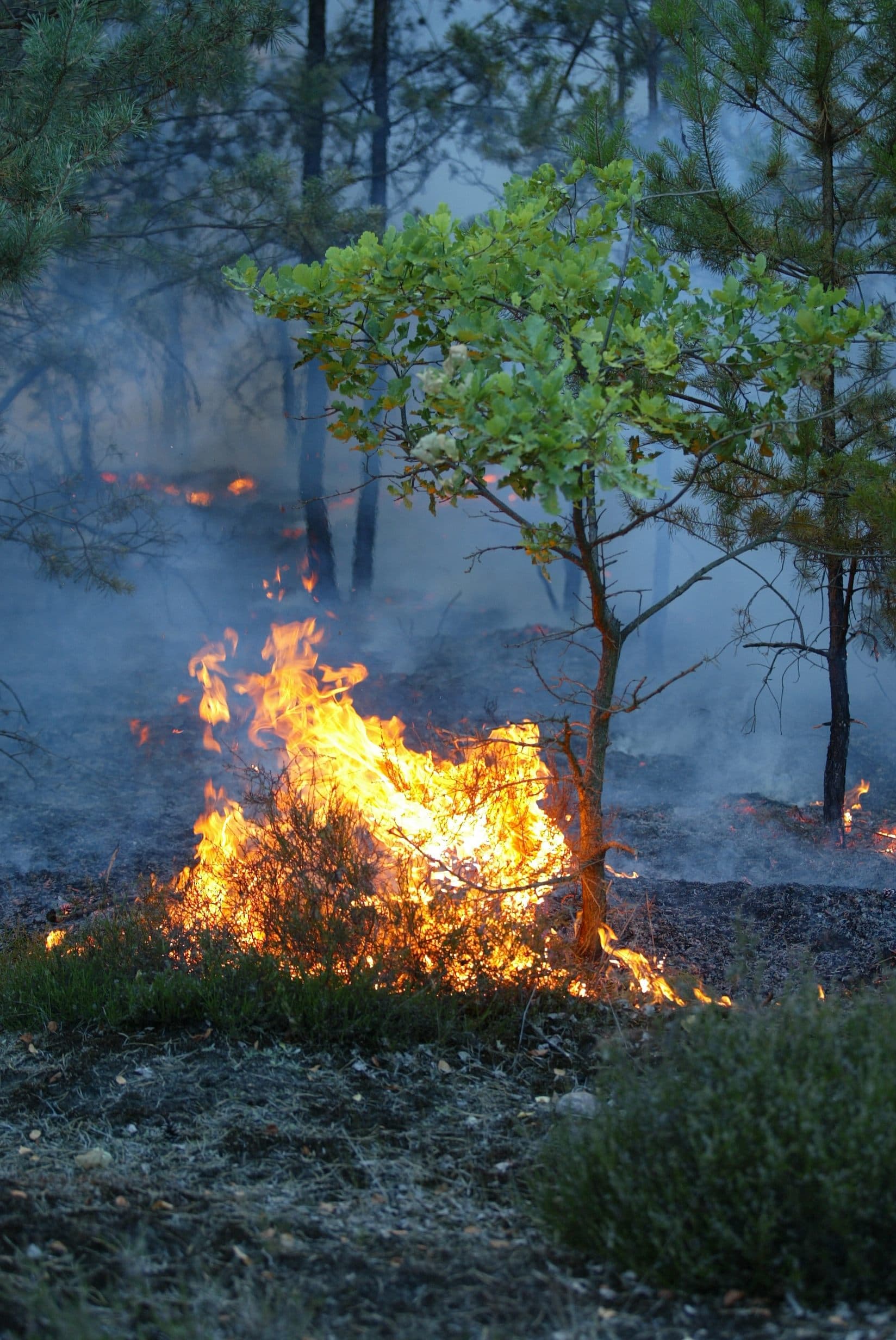
An out-of-control wildfire burning in the foothills northwest of Sundre has prompted Alberta authorities to issue an evacuation alert, signalling that residents in the surrounding area should be ready to leave on short notice. The blaze, designated RWF036, is Alberta's most significant active wildfire and remains classified as out of control even as cooler temperatures and scattered precipitation have helped tame fire activity across the region. The situation reflects the uncertain start to a season that both Alberta and neighbouring British Columbia are bracing to be difficult.
The fire is estimated at roughly 1,043 hectares and sits about 5 kilometres northeast of the James-Wilson Provincial Recreation Area. It lies about 30 kilometres northwest of the town of Sundre and about 20 kilometres southwest of Burnstick Lake, placing it in terrain dotted with recreation areas and rural properties. Clearwater County issued the evacuation alert for the area surrounding the wildfire, putting residents on notice without yet ordering them to leave.
The fire's proximity to key routes has also disrupted travel. Portions of Highway 40, known as the Forestry Trunk Road, remain closed because of the danger posed by the nearby flames. The closures cut off a corridor used by residents, recreationists and industry, adding a logistical dimension to the response as crews work to contain the blaze.
Why the fire remains out of control
Despite a recent turn toward cooler and wetter conditions, the fire has not been brought under control. Cooler temperatures and scattered snow and rain have helped reduce wildfire activity, but officials say the blaze remains out of control because of its size, the challenging terrain in which it is burning, and ongoing fire behaviour. Those factors can keep a fire active even when the weather turns less favourable.
A fire of more than 1,000 hectares presents a large perimeter for crews to address, and difficult terrain can slow access for firefighters and equipment. Steep, forested foothills complicate the work of building containment lines and reaching active areas of the blaze. Even with precipitation dampening surface conditions, deep-seated burning and rugged ground can allow a fire to persist.
The classification of out of control reflects this reality. In wildfire management, that designation indicates a fire that is expected to continue spreading and is not yet contained, as distinct from fires that are being held or have been brought under control. The label signals that, despite the recent weather, the situation near Sundre remains fluid.
The recent precipitation has nonetheless made a difference at the regional level. The overall wildfire danger in the Calgary Forest Area has eased to moderate after the cooler, wetter weather, a shift that reduces the likelihood of new ignitions even as the existing fire continues to burn.
That gap between an easing regional danger rating and a single fire that stays out of control is an important nuance. A danger rating describes the general conditions that influence whether new fires start and how readily they spread across a forest area, while the status of an individual blaze reflects the specific circumstances on its own perimeter. A region can grow safer in aggregate even as one established fire continues to resist containment, and that is the picture taking shape around Sundre, where favourable regional conditions coexist with a stubborn local blaze.
What the evacuation alert means
The evacuation alert issued by Clearwater County is an important distinction for residents to understand. An evacuation alert means residents should be ready to leave on short notice, gathering essential belongings, important documents and supplies so they can depart quickly if the situation worsens. It is a warning to prepare, not yet a directive to go.
That differs from an evacuation order, which requires people to leave immediately because of an imminent threat. The progression from alert to order is one that authorities use to give residents time to prepare while reserving the more drastic step for situations that demand it. For those living near the fire, the alert is a call to vigilance and readiness rather than immediate departure.
For rural communities, such alerts carry practical complications. Residents may need to arrange for livestock, secure properties and plan routes that could be affected by road closures such as those on Highway 40. The alert gives families the opportunity to make those preparations before any potential order is issued.
Authorities typically advise residents under an alert to monitor official channels closely, since conditions can change rapidly with shifts in wind, temperature and fire behaviour. The combination of an active out-of-control fire and an evacuation alert keeps the surrounding population in a state of readiness.
A second fire on the B.C. coast
The situation in Alberta is unfolding alongside a separate wildfire concern in British Columbia. On the Sunshine Coast, the Earle Creek wildfire has more than tripled in size since it ignited on Monday, growing to an estimated eight hectares. The fire is burning in a remote area of Old Egmont, across from the Skookumchuck Narrows, a region known for its dramatic tidal rapids.
Although the Earle Creek fire is far smaller than the Alberta blaze, it is burning close to structures, which has drawn attention to its rapid growth. The B.C. Wildfire Service has said the fire does not pose an immediate threat at this time, a reassurance that nonetheless comes with the implicit acknowledgement that the situation is being watched closely given the proximity to buildings.
The rapid expansion of a small fire in a matter of days illustrates how quickly conditions can change at the start of a wildfire season. A blaze that triples in size within days demonstrates the kind of fire behaviour that worries officials, even when the absolute area burned remains modest. The remote location adds challenges for access and monitoring.
The setting near the Skookumchuck Narrows is a popular destination, and a fire in such an area carries implications beyond the immediate threat to structures. Coastal terrain, with its mix of forest, water and scattered development, can complicate the deployment of crews and equipment, and a fire reached mainly by water or air demands different tactics than one along a road network. The B.C. Wildfire Service's assessment that there is no immediate threat at present offers reassurance, but the fire's growth means it will remain under close observation as the days pass.
A worrying start to the season
Both provinces are bracing for a difficult summer wildfire season. Temperature records have been broken in British Columbia, and homes were lost earlier in Alberta, developments that have set an uneasy tone well before the height of summer. The early-season activity has reinforced concerns that the months ahead could bring sustained challenges.
These conditions sit within a broader pattern that has reshaped Canadian wildfire seasons in recent years. Longer, hotter and drier seasons linked to climate change have intensified wildfires across the country, lengthening the window during which fires can ignite and spread and increasing the severity of the blazes that do start. The early activity near Sundre and on the Sunshine Coast fits within that larger trend.
The interplay between weather and fire is on clear display in the current situation. The cooler, wetter spell that has eased activity near Sundre offers a reminder that conditions can improve as well as deteriorate, but the persistence of an out-of-control fire even amid that weather shows how entrenched a large blaze can become. As the season progresses and temperatures climb, the margin for such relief may narrow.
For fire managers, the early appearance of significant fires means resources are already being committed before the traditional peak of the season. That early demand on crews and equipment can shape how prepared agencies are when conditions become more extreme later in the summer.
What it means for Canadians
For residents in the affected areas, the immediate concerns are personal and practical: the safety of homes and families, the possibility of evacuation, and the disruption caused by road closures. The evacuation alert near Sundre places households in a holding pattern of readiness, while the closures on Highway 40 complicate movement through the region. On the B.C. coast, the proximity of the Earle Creek fire to structures keeps residents and officials watchful.
Beyond the immediate fire zones, wildfires carry consequences that reach far wider. Smoke from large blazes can degrade air quality across broad areas, affecting the health of people well beyond the communities nearest the flames. The strain on emergency resources, as crews and equipment are deployed to active fires, is another dimension that affects provincial preparedness as a whole.
The early-season activity also speaks to a recurring national reality. Canadians in many regions have grown accustomed to summers shaped by wildfire, with the associated risks to property, health and daily life. The fires near Sundre and on the Sunshine Coast serve as early markers of a season that authorities are warning could be demanding, and as a reminder of the climate-driven trends that have made such seasons more frequent and more severe.
What is next
The near-term outlook hinges on weather and on the progress of containment efforts. The recent cooler, wetter conditions have helped reduce activity and eased the regional danger rating to moderate, but the Sundre fire's persistence shows that improved weather alone may not be enough to bring a large, out-of-control blaze to heel. Crews will continue working to contain the fire across its challenging terrain, while authorities monitor whether the evacuation alert needs to be escalated to an order.
On the Sunshine Coast, the trajectory of the Earle Creek fire will be watched closely given its rapid growth and proximity to structures, even as the B.C. Wildfire Service maintains that it poses no immediate threat at present. A small fire that has already tripled in size warrants continued attention as conditions evolve.
For both provinces, the broader question is what the rest of the season holds. With records already broken, homes already lost and significant fires burning before summer has fully arrived, officials and residents alike are preparing for a stretch that could test emergency resources and communities. The events near Sundre and on the Sunshine Coast offer an early indication of the challenges that may lie ahead.
Spotted an issue with this article?
Have something to say about this story?
Write a letter to the editorRelated Stories
Canada Braces for 2026 Wildfire Season After Quiet Start Masks Drought Risk
1d ago
Carney Unveils Clean Electricity Strategy to Double Canada's Grid by 2050
2d ago

