Oil slips below US$100 as Trump pauses Iran strikes, easing pressure at the pumps
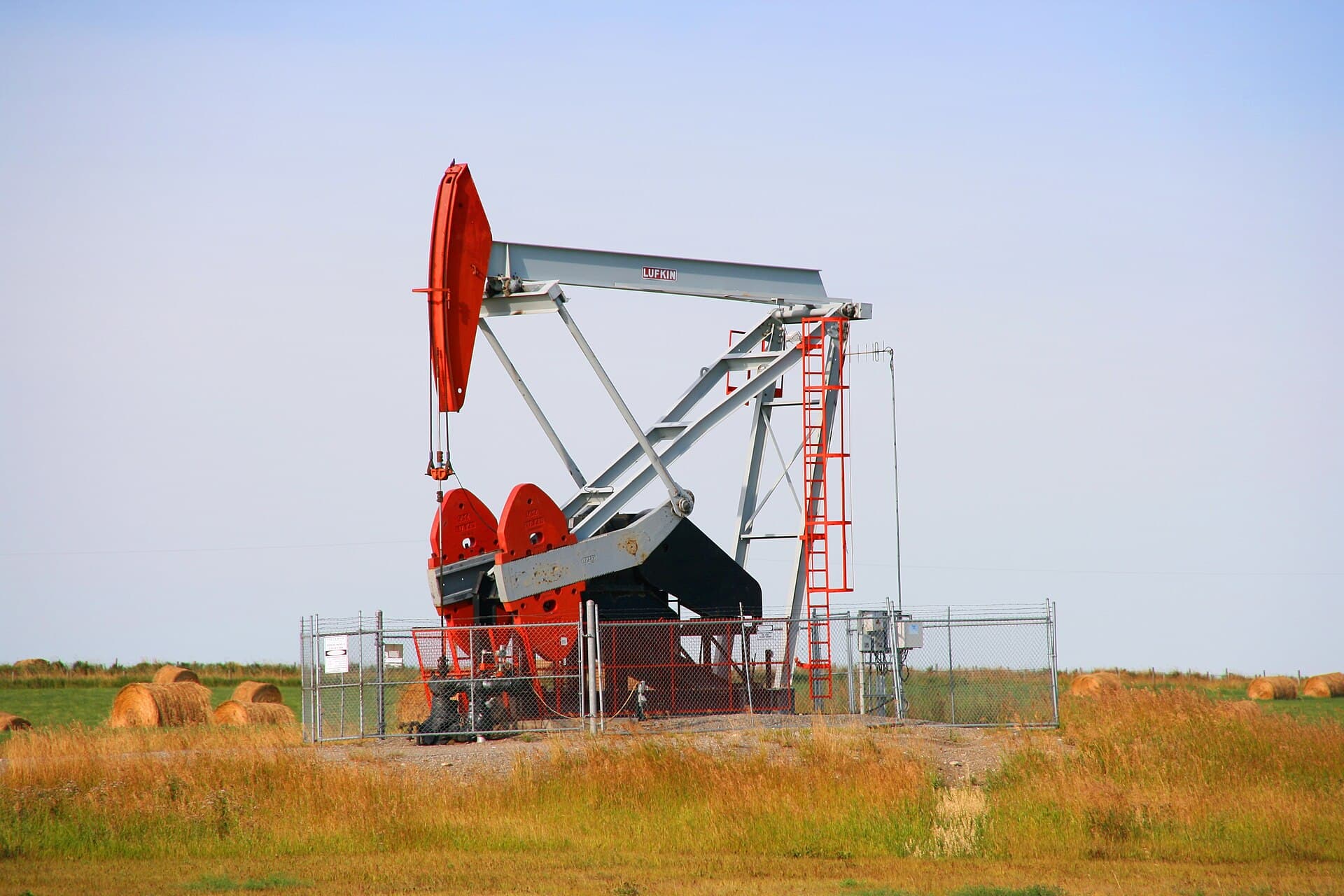
U.S. crude oil fell below US$100 a barrel on Wednesday after President Donald Trump called off renewed military strikes against Iran, a retreat from confrontation that offered the first real prospect of relief for Canadian drivers and for a Bank of Canada wary of energy driven inflation. West Texas Intermediate dropped more than five per cent to close around US$98.26, while Brent crude, the global benchmark, also lost more than five per cent to settle around US$105.02. The slide reversed part of a months long surge that had pushed prices to painful highs and rippled directly into the cost of living across Canada.
The catalyst was a shift in Washington's posture toward Tehran. Trump called off the renewed strikes at the request of Gulf Arab allies and said his administration is in the 'final stages' of negotiations with Iran, language that markets interpreted as a signal that the worst of the conflict's escalation might be passing. Traders who had built in a substantial risk premium on the prospect of wider disruption began to unwind those bets, sending prices lower in a single session.
For Canada, the move matters far beyond the trading floor. The global oil price spike that this drop partly reverses had already worked its way into Canadian household budgets, driving up the cost of filling a tank and lifting the national inflation rate. A sustained pullback in crude would ease that pressure at the pumps and give the central bank more room to keep interest rates steady, while a renewed flare up could just as quickly send prices climbing again.
What moved the market
The decision to pause the strikes broke a weeks long stalemate between Washington and Tehran. The United States and Iran have been locked in a standoff, with Tehran blockading the Strait of Hormuz and Washington blockading Iranian ports, a mutual squeeze that has choked the flow of energy through one of the world's most important corridors. Any sign that the two sides might step back from that confrontation carries outsized weight for oil markets, because the strait is a chokepoint through which a large share of the world's seaborne crude must pass.
Trump's reference to the 'final stages' of negotiations was the key phrase. Oil prices are driven as much by expectations as by current supply, and the suggestion that a diplomatic resolution might be near prompted traders to reduce the premium they had attached to the risk of a prolonged or widening war. The request from Gulf Arab allies to hold off on the strikes added to the sense that regional actors were pushing toward de-escalation rather than further conflict.
The five per cent declines in both benchmarks in a single day underscored how sensitive the market had become to political signals. With so much of the price tied to the fear of disruption rather than to actual lost barrels, a credible move toward talks could unwind gains quickly. The reverse is equally true, and analysts cautioned that the same sensitivity that drove prices down could send them sharply higher if the diplomacy faltered.
How the conflict drove prices up
The war began with joint U.S.-Israel strikes against Iran on February 28, 2026, an escalation that immediately rattled energy markets. In the months that followed, Brent crude peaked near US$120 a barrel, a rise of more than 55 per cent from around US$72 in late February. That climb reflected genuine fear that conflict in the region could sever supply routes and remove a meaningful volume of crude and natural gas from the global market.
Those fears were not unfounded. About a fifth of global crude and gas supply has reportedly been disrupted during the conflict, a staggering share that helps explain why prices rose so far so fast. When that much potential supply is thrown into doubt, even importers far from the region feel the effect, because oil is a globally traded commodity whose price is set by worldwide supply and demand rather than by local conditions.
The blockade of the Strait of Hormuz sat at the heart of the price spike. The strait is one of the world's most important oil chokepoints, and any threat to its passage commands immediate attention from traders. With Tehran restricting the corridor and Washington blockading Iranian ports in response, the market priced in the possibility that the disruption could persist or worsen, keeping the risk premium elevated for weeks.
The Canadian inflation connection
The consequences of that spike landed squarely on Canadian households. The global oil price surge drove Canada's April inflation up to 2.8 per cent, with gasoline prices 28.6 per cent higher than a year earlier and energy costs up 19.2 per cent. Those figures made the conflict in the Middle East a direct line item in the budgets of Canadian families, who felt the war most acutely each time they pulled up to a pump.
Canada occupies an unusual position in this story. The country is a major oil exporter, sending most of its crude to the United States, yet Canadian pump prices track global benchmarks rather than domestic production costs. That means Canadian consumers are exposed to the same global price swings as buyers in countries with no oil of their own, even as Canadian producers benefit from the higher prices. The war therefore created winners and losers within the same economy.
For producers, particularly in Alberta, the elevated prices boosted revenues at a time when global supply uncertainty made every barrel more valuable. That windfall flows through to provincial coffers and to federal finances, where higher energy revenues can ease fiscal pressures. The same prices that strained household budgets thus strengthened the balance sheets of the energy sector and the governments that tax it, a tension that runs through any debate about Canadian energy policy.
Relief for the Bank of Canada
A fall in oil prices would ease pressure not only at the pumps but on the Bank of Canada, which has watched energy costs warily for signs that they might spread into broader inflation. The central bank has been concerned that sustained high fuel prices could push up the cost of transporting goods, heating homes and running businesses, embedding inflation more deeply into the economy. A retreat in crude prices reduces that risk and gives policymakers more confidence to hold rates steady.
The relationship between oil prices and monetary policy is direct in the current environment. Because the April inflation jump was driven so heavily by gasoline, a reversal in crude could pull the headline rate back down in subsequent months, validating the view that the spike was a temporary shock rather than the start of a sustained climb. That would strengthen the case for the central bank to look through the episode rather than respond with higher interest rates that would slow the broader economy.
For Canadian households managing mortgages and other debts, the implications are tangible. A central bank that holds rates steady provides predictability for borrowers, while a forced tightening to combat energy driven inflation would raise borrowing costs at an already difficult time. The drop in oil prices, if sustained, tilts the balance toward stability, easing one of the pressures that has weighed on family finances through the conflict.
The forecasts ahead
The path of prices from here depends overwhelmingly on whether the Strait of Hormuz reopens. The International Energy Agency has warned that prices could approach US$200 a barrel in a worst case if the strait stays closed through year-end, a scenario that would deepen the inflation problem for Canada and the wider world. That figure underscores how much remains at stake in the diplomacy between Washington and Tehran.
The agency also sketched a far more benign outcome. If a quick peace deal reopens the strait by June, the IEA said prices could ease toward around US$80 by the end of 2026, a level that would mark a return to something close to pre-war conditions. The gulf between those two forecasts, one near US$200 and the other near US$80, captures the extraordinary uncertainty hanging over energy markets and over the Canadian economy that depends on them.
For now, the close below US$100 represents a step toward the more favourable scenario rather than a guarantee of it. Trump's reference to the final stages of negotiations raised hopes of a resolution, but nothing has been finalised, and the same volatility that drove prices down could reverse if talks collapse. Markets are likely to remain hostage to each twist in the diplomacy until a durable settlement, or its absence, becomes clear.
What's next
The immediate focus will be on whether the negotiations Trump described actually produce an agreement and, crucially, whether any deal reopens the Strait of Hormuz. The IEA's June timeline for a quick resolution offers a benchmark against which to measure progress, and the difference between meeting and missing it could be the difference between US$80 and US$200 oil. Canadian policymakers and consumers alike will be watching the corridor closely.
For the Bank of Canada, the coming inflation reports will reveal whether the drop in crude feeds through to lower gasoline prices and a softer headline rate. A sustained decline would reinforce the central bank's expectation that the inflation spike was temporary, while a renewed surge in oil would test its patience. Either way, the energy market has become the single most important variable in the near term outlook for Canadian prices and interest rates.
The Alberta energy sector and federal finances face the opposite calculation. The revenue windfall from high prices would shrink if crude continues to fall, easing the burden on consumers while reducing the gains for producers and governments. That trade off, between relief for households and revenue for the energy economy, will frame the Canadian debate as the conflict's outcome, and the price of oil, gradually come into view.
Spotted an issue with this article?
Have something to say about this story?
Write a letter to the editor

