CFL camps open with the road to a home Grey Cup running through Calgary
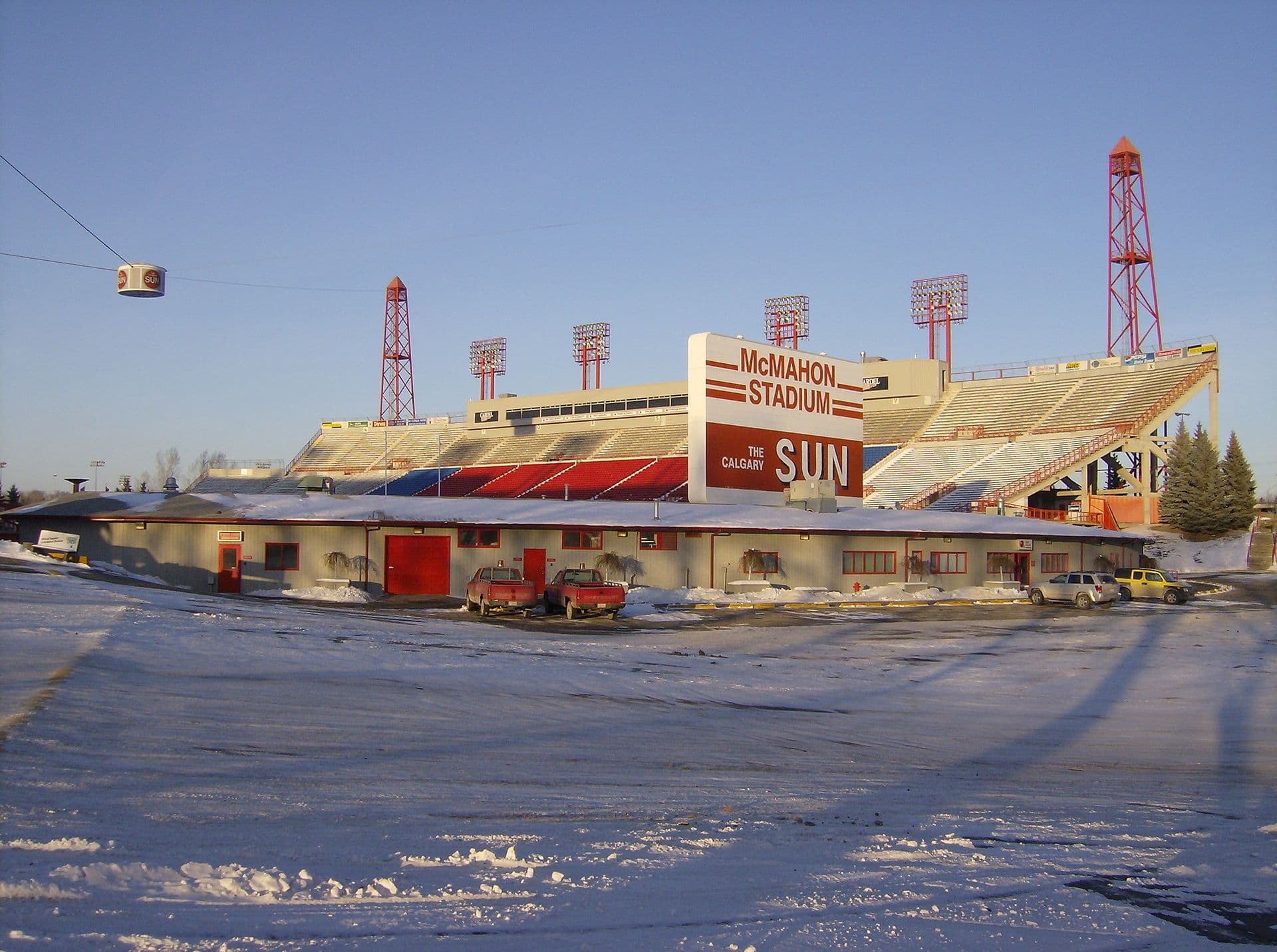
Training camps are under way across the Canadian Football League, signalling the start of a season that will end where it begins for one ambitious club: in Calgary. All nine CFL teams opened main camp on Sunday, around May 10, setting in motion the annual process of sorting rosters, testing depth and building the chemistry that defines a championship run. For the host Calgary Stampeders, the stakes carry an extra dimension, because the 2026 season will culminate with the Grey Cup played on their own field.
The 113th Grey Cup is scheduled for Sunday, November 15, at McMahon Stadium in Calgary, with a 5 p.m. kickoff. The prospect of hosting the league's championship game has shaped the mood in the Stampeders' camp from the opening whistle, lending the early sessions a focus that the team itself has described as carrying a 'Grey Cup feel.' Hosting the title game at home is a rare motivator in professional sport, the kind of opportunity that can sharpen a season's purpose long before the games that matter most arrive.
The regular season begins June 4, giving teams roughly a month to translate the work of camp into game-ready form. That stretch from the opening of camp to the first kickoff is among the most consequential periods on the CFL calendar, when coaching staffs evaluate newcomers, settle position battles and establish the identity their teams will carry into the summer and autumn. For a league split into East and West divisions, the early weeks set the tone for a campaign that will run all the way to mid-November.
A home championship as motivation
The idea of playing for a championship on home turf is uncommon enough that it can reshape an entire season. The Grey Cup is the CFL's championship game, the culmination of a year of competition and one of the most storied events in Canadian sport. To host it, and to have the chance to compete in it on familiar ground, is a combination that rarely aligns, and Calgary's players and staff have approached camp with that alignment firmly in mind.
The host Stampeders have leaned into the moment, describing their early sessions as carrying a 'Grey Cup feel' that reflects the heightened expectations of a home championship. That framing is more than rhetoric. The knowledge that the title game will be contested at McMahon Stadium provides a tangible target, a destination that gives meaning to the grind of camp and the long schedule that follows. For a team and a city, the chance to chase a championship at home is a powerful organising principle.
Hosting also carries practical implications for the wider league. The Grey Cup is a national occasion, drawing supporters from across the country to the host city for a week of festivities that surround the game itself. Calgary's role as host in 2026 places the city at the centre of that celebration, and the Stampeders' competitive ambitions add a layer of local intrigue to an event that already commands national attention.
Calgary's quarterback question answered
Much of Calgary's optimism rests on continuity at the game's most important position. Quarterback Vernon Adams Jr., who revived the Stampeders' offence in his first season with the team, signed a contract extension through 2028 on the eve of training camp. The timing of the deal removed any uncertainty about the team's direction under centre and allowed camp to open with the question of leadership already settled.
Adams's impact in his debut campaign with Calgary reshaped the team's outlook. A quarterback capable of revitalising an offence changes the calculus for an entire roster, and securing his services through 2028 gives the Stampeders a foundation to build upon as they pursue a home Grey Cup. The extension is a statement of intent, signalling that the club views Adams as the centrepiece of both its immediate ambitions and its longer-term plans.
For a team eyeing a championship on its own field, stability at quarterback is invaluable. The position dictates so much of how an offence functions, from play-calling to tempo to the confidence of teammates, that resolving it before camp allows the rest of the roster to coalesce around a known quantity. Calgary enters the season knowing who will lead its offence, a clarity that not every team in the league can claim.
That settled situation feeds directly into the 'Grey Cup feel' the team has described. With its quarterback locked in and the championship game set for McMahon Stadium, the Stampeders have aligned their leadership and their motivation in a way that few clubs ever manage in the same season.
The provincial rivalry renewed
Calgary will not be the only Alberta team carrying ambitions into 2026. The Edmonton Elks return with quarterback Cody Fajardo back under centre and a roster carrying competitive, Grey Cup-level expectations of its own. The Elks' resurgence sets up the prospect of a renewed provincial rivalry, with both Alberta clubs entering the season believing they can contend.
Fajardo's return gives Edmonton a measure of stability at quarterback that mirrors Calgary's situation, and the Elks have framed their expectations accordingly. A team carrying Grey Cup-level ambitions approaches camp differently than one rebuilding, and Edmonton's posture suggests a club intent on inserting itself into the championship conversation rather than merely participating in the season.
The presence of two ambitious Alberta teams adds a compelling subplot to the West Division. The CFL's divisional structure, with its East and West halves, channels much of the regular season's drama into intra-division matchups, and a rejuvenated Edmonton facing a confident Calgary promises to be among the storylines worth following. The added incentive of a Grey Cup hosted in the province only heightens the stakes for both clubs.
A nine-team league reloads
The opening of camp affects all corners of the league, not just Alberta. The CFL is a nine-team competition, divided into East and West divisions, and each club spent Sunday beginning the work of assembling the roster it will carry into June. The nine teams are the BC Lions, Edmonton Elks, Calgary Stampeders, Saskatchewan Roughriders, Winnipeg Blue Bombers, Toronto Argonauts, Hamilton Tiger-Cats, Ottawa Redblacks and Montreal Alouettes.
Each franchise enters camp with its own questions to resolve, from quarterback battles to depth at key positions to the integration of new arrivals. The simultaneous opening of all nine camps creates a leaguewide reset, a moment when every team's hopes are intact and the season's possibilities remain open. The weeks ahead will begin to separate contenders from those still building, but the opening of camp finds every club at the same starting line.
The CFL occupies a distinctive place in the Canadian sporting landscape. It is a uniquely Canadian institution with a national fan base, and the rhythms of its calendar, from spring camps to the November Grey Cup, are woven into the country's sporting culture. The league's nine cities span the country, and the season's progression draws regional loyalties into a national competition that culminates in a single championship game.
That national character gives the 2026 season its broader resonance. While Calgary's home Grey Cup ambitions provide a local focal point, the league as a whole reloads for a campaign that will engage supporters from British Columbia to Quebec. The opening of camp is the first chapter in a story that will unfold across the country over the months to come.
The road to November
The structure of the season points everything toward McMahon Stadium in November. With the regular season opening June 4 and the Grey Cup set for November 15, the schedule traces a long arc from early-summer kickoffs to the late-autumn championship. For Calgary, that arc carries a particular gravity, since the destination is its own home field, but every team in the league will be measuring its progress against the same November target.
The path will test depth, durability and adaptability over a demanding schedule. Camps are where the groundwork is laid, but the season itself will determine which clubs sustain their ambitions and which fall short. The 'Grey Cup feel' that has animated Calgary's camp is, for now, an aspiration rather than an achievement, one that the long season will either validate or temper.
For the Stampeders, the alignment of a home championship, a settled quarterback in Vernon Adams Jr. and a confident provincial rival in Edmonton frames a season rich with possibility. The extension that secured Adams through 2028 gives the club a foundation, and the chance to play for a Grey Cup at McMahon Stadium gives it a goal as clear as any in the league.
What's next
The immediate task for all nine teams is to finish the work of camp and prepare for the June 4 season opener. The coming weeks will see rosters take shape, position battles resolve and coaching staffs settle on the identities their teams will carry into competition. By the time the regular season begins, the early uncertainty of camp will have given way to the first true tests of the year.
For Calgary, the season ahead is defined by its destination. The 113th Grey Cup at McMahon Stadium on November 15 stands as both a national event and a hometown opportunity, a rare convergence that has shaped the Stampeders' approach from the opening day of camp. Whether the team can translate its home-field motivation into a place in the championship game will be one of the defining questions of the CFL season.
Across the league, the opening of camp marks the start of a campaign that will engage a national fan base over the months to come. From Edmonton's renewed ambitions to the shared starting line of all nine clubs, the 2026 season begins with possibility intact. The road to a home Grey Cup runs through Calgary, and that road has only just begun.
Spotted an issue with this article?
Have something to say about this story?
Write a letter to the editor