Measles exposure at Winnipeg children's hospital as Canadian cases top 900
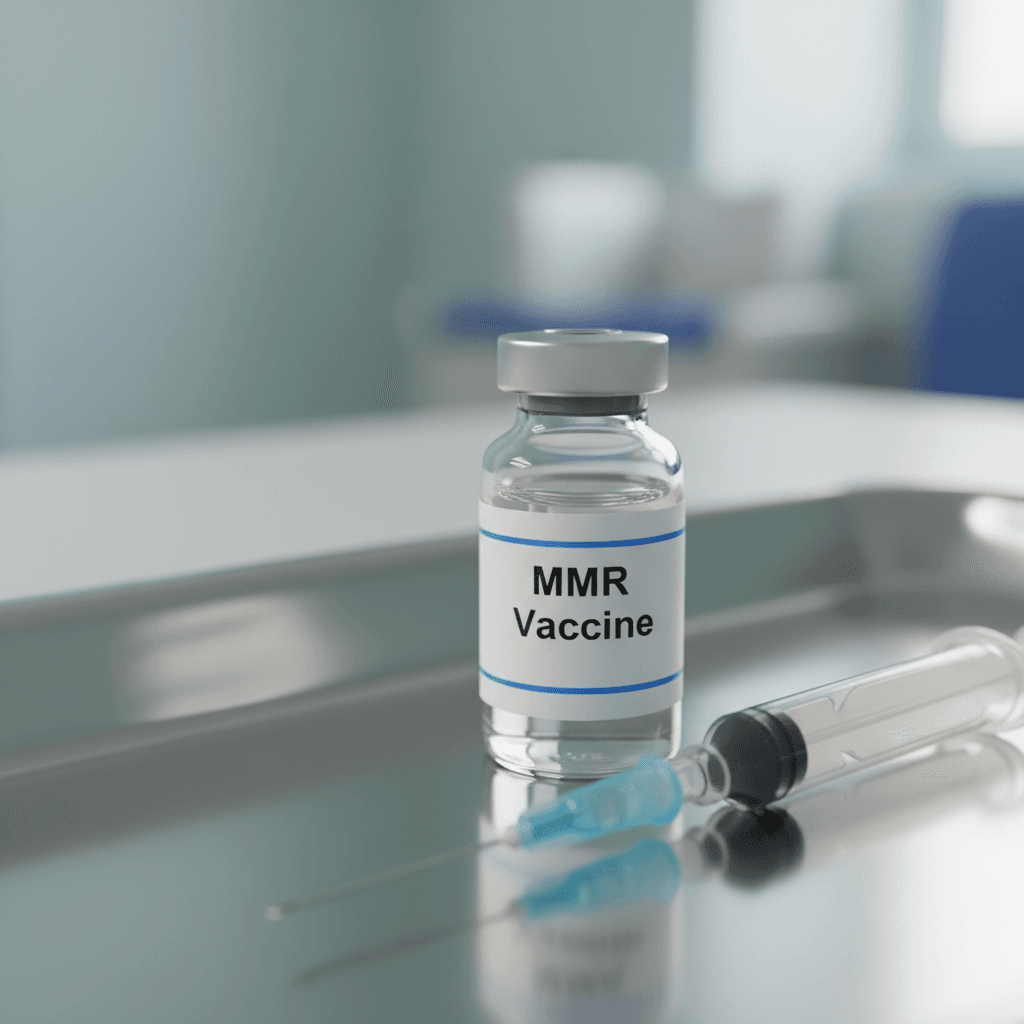
Manitoba health officials have warned of a measles exposure at the Children's Hospital in Winnipeg, the latest sign of how widely the highly contagious disease has spread across Canada this year. The advisory, released on May 19, 2026, came as the national tally of reported measles cases since the start of 2026 climbed past 900, with Manitoba carrying the heaviest burden of any province. The exposure at a major paediatric facility underscored the pressure that a resurgent disease is placing on hospitals and on families across the country.
The province said people who were in the hospital's emergency department waiting room or minor-treatment areas during a several-hour window one recent morning may have been exposed. Officials urged anyone who may have been affected to check their immunisation records and ensure they are up to date on measles vaccination. The advisory reflected a now-familiar public-health pattern, in which a single infected person passing through a busy clinical setting can prompt warnings to dozens or more of others who shared the space.
For a hospital that treats some of the most vulnerable patients in the province, including young children and infants too young to be fully vaccinated, the exposure carried particular weight. Measles spreads easily in crowded indoor environments, and a waiting room full of unwell children represents exactly the kind of setting where transmission is a concern.
How measles spreads and why it matters
Measles is among the most contagious diseases known, spreading through the air when an infected person coughs, sneezes or even breathes. The virus can linger in a space after an infected person has left, which is why exposures in shared waiting rooms can affect people who never came into direct contact with the original case. That airborne persistence is part of what makes the disease so difficult to contain once it begins circulating.
The main protection against measles is the MMR vaccine, which guards against measles, mumps and rubella. Public-health authorities consider two doses of the vaccine highly effective, and widespread vaccination is what historically kept the disease from circulating freely in Canada. When enough of a population is immunised, the virus struggles to find vulnerable hosts, a dynamic that protects even those who cannot be vaccinated.
That protective web depends on vaccination rates staying high. Declining rates have been linked to outbreaks, and public-health experts have repeatedly pointed to gaps in immunisation coverage as a driver of the spread now being seen across multiple provinces. As coverage slips, the virus gains more opportunities to move from person to person and to reach those least able to fight it off.
The advisory's emphasis on checking immunisation records reflects this reality. For individuals, ensuring they have received the recommended doses of the MMR vaccine is the most direct way to reduce their risk, and for communities, it is the foundation of keeping outbreaks in check.
The mechanics of an airborne disease also explain why public-health teams cast a wide net when an exposure occurs. Because the virus can remain suspended in the air of a room for a period after an infected person departs, anyone who passed through the affected space during the relevant window may be at risk, even if they never saw the original case. That is why advisories such as the one issued in Winnipeg describe a time window and a location rather than a list of named contacts, asking the broader public to assess their own exposure and immunisation status.
Symptoms of measles typically include fever, cough and a distinctive rash, and they can take more than a week to appear after exposure. That delay between infection and illness is part of what allows the virus to spread before people realise they are sick, contributing to the chains of transmission that public-health officials work to interrupt. The lag also means the full effect of any single exposure may not be apparent for some time after the event.
A milestone Canada lost in 2025
The current situation marks a significant reversal for a country that once held a coveted public-health distinction. Canada lost its measles elimination status on November 10, 2025. Elimination status means a disease is no longer spreading continuously within a country, and Canada had maintained that standing for years as a result of strong vaccination programmes.
Losing that status signalled that measles had begun circulating in a sustained way once again, rather than appearing only in isolated cases linked to travel. It represented a setback for a public-health achievement that had taken decades of immunisation effort to secure, and it placed Canada in the uncomfortable position of watching a once-controlled disease return.
The loss of elimination status was not merely symbolic. It reflected a measurable shift in how the disease was behaving within the country, with chains of transmission persisting long enough to undermine the criteria that had defined Canada's earlier success. The case totals recorded in 2026 illustrate the scale of that shift.
The numbers behind the surge
Since the start of 2026, there have been 907 reported measles cases in Canada. That figure represents a substantial outbreak by the standards of a country that had recently considered the disease eliminated, and it has been distributed unevenly across the provinces.
Manitoba has the highest number of reported cases in 2026, with 556, making it the epicentre of the national outbreak. Alberta follows with 281 reported cases, while Quebec had reported 14 cases as of May 19. The concentration of cases in Manitoba helps explain why an exposure at a Winnipeg hospital drew swift public attention, given that the province is already managing the largest share of the country's infections.
The provincial breakdown points to how localised outbreaks can dominate a national picture. With Manitoba and Alberta together accounting for the overwhelming majority of reported cases, the burden on health systems and public-health teams in those provinces has been especially acute. Quebec's comparatively small figure illustrates how unevenly the disease has taken hold across the country.
These totals are reported cases, and public-health officials generally caution that the true extent of any outbreak can be difficult to capture precisely. Still, the reported figures alone mark a striking departure from the near-absence of sustained measles transmission that elimination status had once implied.
Pressure on hospitals and health systems
An exposure at a children's hospital highlights the strain that measles can place on health infrastructure. When a potential exposure occurs in a clinical setting, public-health teams must trace those who may have been affected, issue advisories and field inquiries from worried families, all while continuing to manage active cases. That work draws on resources at a time when many health systems are already stretched.
Hospitals must also take steps to prevent further spread within their walls, isolating suspected cases and protecting patients who are immunocompromised or too young to be vaccinated. The logistics of containing a disease as contagious as measles inside a busy facility are demanding, and a single exposure can ripple outward into significant operational effort.
For paediatric hospitals in particular, the stakes are heightened by the nature of their patients. Infants, children with weakened immune systems and others who cannot rely on vaccination depend on the surrounding population's immunity for protection. An exposure in such a setting therefore raises concerns that extend well beyond the individuals directly notified.
The communication burden is significant as well. Each advisory must reach the public quickly and clearly, balancing the need to warn those who may have been exposed against the risk of causing undue alarm among people who were never at risk. Officials must explain who should take action, what that action involves and where to seek guidance, all within a tight timeframe dictated by the disease's incubation period. That work falls to public-health teams that are simultaneously managing the wider outbreak.
The strain is compounded when a province is already carrying a heavy caseload, as Manitoba is. Resources devoted to tracing one exposure are resources unavailable for other tasks, and a sustained outbreak multiplies these demands across many simultaneous events. The cumulative effect can stretch public-health capacity at precisely the moment it is most needed, reinforcing why officials place such emphasis on prevention through vaccination.
What it means for Canadians
For Canadians, the resurgence of measles reaches into everyday concerns about public health, schools and family well-being. Parents face the practical question of whether their children are fully immunised, and the advisory's call to check immunisation records speaks directly to that responsibility. Schools, which bring large numbers of children together, are another setting where vaccination coverage shapes the risk of transmission.
The outbreak also revives a broader conversation about vaccination rates and the consequences of allowing them to slip. Public-health authorities have framed the return of measles as a reminder that the protection offered by elimination status is not permanent, and that it depends on continued, widespread immunisation. The current case totals serve as a concrete illustration of what can happen when that protection erodes.
There is, finally, the matter of pressure on the health system. As cases mount and exposures occur in clinical settings, the demands on hospitals and public-health teams grow. For a country already navigating significant pressures on its health services, a sustained measles outbreak adds a further burden, one that vaccination is widely understood to be the most effective tool for easing.
What is next
The immediate focus for Manitoba's health officials will be following up with people who may have been exposed at the Winnipeg hospital and continuing to manage the province's substantial caseload. The advisory's guidance to check immunisation records and ensure vaccinations are current is likely to be repeated as authorities work to limit further spread.
More broadly, the trajectory of the outbreak will depend heavily on vaccination. Public-health experts have consistently pointed to immunisation coverage as the decisive factor in whether measles continues to circulate or is brought back under control. The coming months will reveal whether efforts to boost coverage and contain transmission can slow the rise in cases that has already pushed the national total past 900.
Canada's loss of elimination status in late 2025 set the backdrop for the year's outbreak, and regaining that standing would require sustained suppression of transmission over an extended period. For now, the warning at a Winnipeg children's hospital stands as a reminder of how quickly a once-controlled disease can reassert itself, and of the role that vaccination plays in keeping it in check.
Spotted an issue with this article?
Have something to say about this story?
Write a letter to the editor