Manitoba Declares State of Emergency as Wildfires Force Evacuations
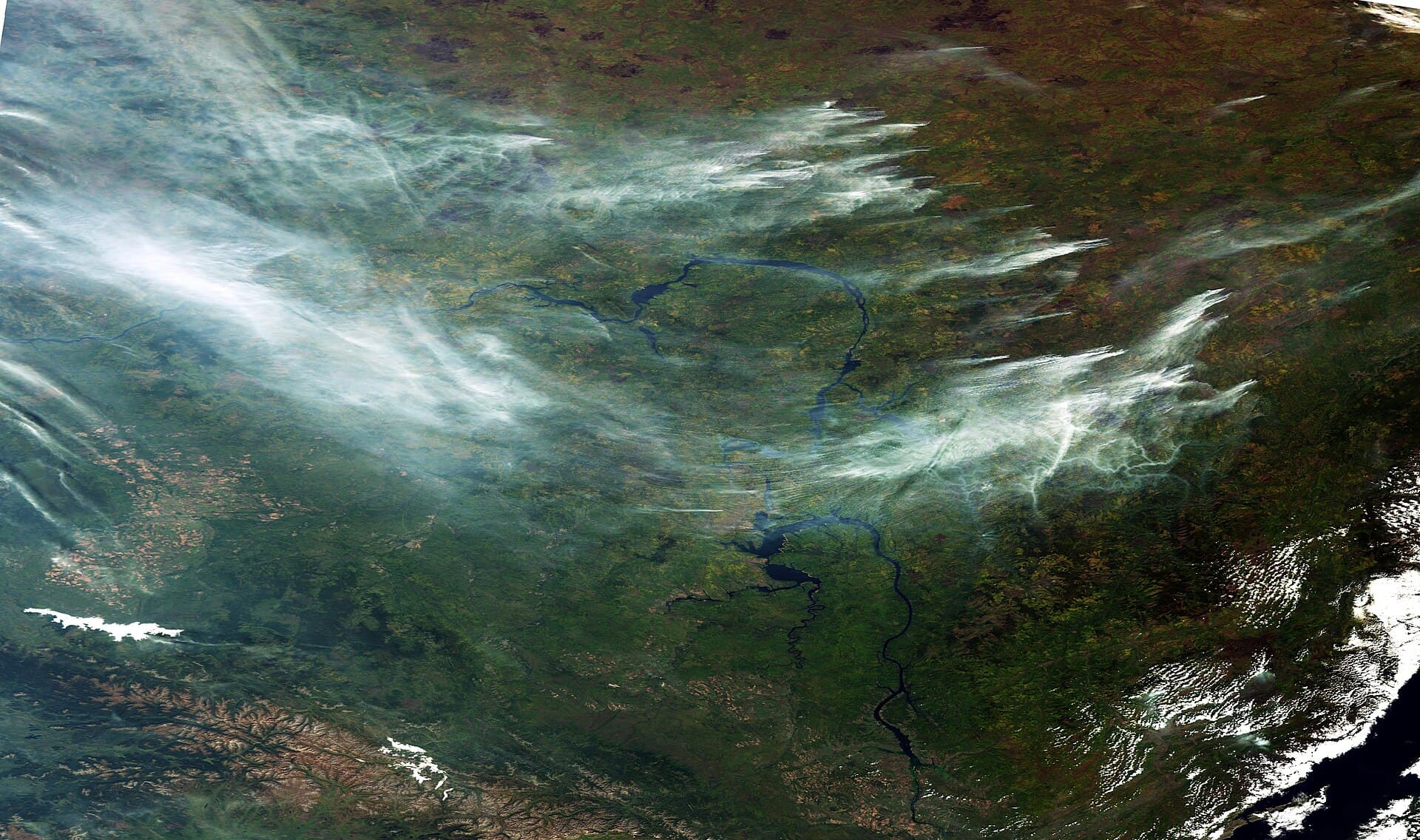
Manitoba is under a provincewide state of emergency as fast moving wildfires force thousands of residents from their homes and blanket large parts of the country in smoke. The early and aggressive start to the 2026 fire season has revived painful memories of recent record breaking years and renewed concern about Canada's growing vulnerability to extreme wildfire.
The current situation
Since the middle of May, satellites and ground crews have tracked a sharp increase in fire activity, with reports of well over one hundred fires burning primarily across Manitoba, Saskatchewan and northern Ontario. Hot, dry and windy conditions have allowed some fires to grow rapidly, overwhelming local resources and prompting urgent evacuation orders.
Manitoba's decision to declare a provincewide state of emergency reflects the scale of the threat. The designation gives the province additional powers to coordinate the response, direct resources and order evacuations, and signals that the situation has exceeded the capacity of normal emergency measures. Much of the province has been placed under extreme fire danger ratings.
Thousands of residents have been displaced, with reporting pointing to tens of thousands of evacuees across affected regions as communities empty ahead of advancing flames. Many of those forced out are from northern and remote communities, including Indigenous communities, where evacuation logistics are especially challenging and the disruption especially severe.
Smoke crosses borders
The fires are not only a regional emergency. Smoke from the blazes has drifted across provincial and international boundaries, degrading air quality in parts of the United States and, according to monitoring agencies, reaching as far as Europe. The long range transport of wildfire smoke has become a recurring feature of Canadian fire seasons in recent years.
Poor air quality poses health risks well beyond the fire lines, particularly for children, older adults and people with respiratory or cardiac conditions. Public health authorities typically advise vulnerable residents to limit outdoor activity and to take precautions when smoke settles over populated areas, and similar guidance is likely to feature prominently this season.
The transboundary nature of the smoke also underscores how Canadian wildfires have become a continental and even global concern. In recent years, smoke from Canadian fires has shrouded major American cities and prompted international attention, turning a domestic emergency into a shared environmental challenge.
A pattern of severe seasons
The 2026 emergency follows several consecutive years of severe wildfire activity in Canada, including seasons that set records for area burned and for the number of people displaced. The repeated intensity has strained firefighting resources, budgets and the communities that bear the brunt of evacuations year after year.
Scientists have linked the trend toward more extreme fire behaviour to a warming climate, which lengthens fire seasons, dries out forests and creates conditions conducive to rapid, intense burning. Drought, in particular, has emerged as a key driver, leaving landscapes primed to ignite and difficult to extinguish once alight.
Forecasters have offered a cautious outlook for 2026, noting that while the season could begin relatively quietly in some regions, lingering drought and the prospect of a warm summer could tip conditions toward another damaging year. The early eruption of fires across the Prairies suggests the threat is already materialising.
The strain on communities
For the families forced to flee, the immediate concern is safety and shelter. Evacuations uproot people from their homes, schools and workplaces, often with little notice, and the uncertainty over when, or whether, they can return takes a heavy emotional and financial toll. Repeated displacement compounds that hardship in communities hit year after year.
Northern and Indigenous communities face particular challenges. Limited road access can complicate evacuations, sometimes requiring residents to be flown out, and the loss of homes and infrastructure can be devastating in places where rebuilding is difficult and resources are scarce. The cultural and social disruption of mass evacuation runs deep.
Provincial and federal authorities, along with the Canadian Red Cross and other organisations, typically coordinate to house and support evacuees. The scale of this year's displacement will test those systems, and the costs, both human and financial, are likely to mount as the season progresses.
The broader climate context
The wildfire emergency is unfolding as Canada grapples with the wider consequences of a changing climate, from extreme heat to flooding to the steady lengthening of fire seasons. Each severe year reinforces warnings from scientists that such events are becoming more frequent and more intense.
Governments have responded with investments in firefighting capacity, mitigation strategies and early warning systems. Some provinces have launched dedicated wildfire mitigation efforts aimed at reducing risk to communities and critical infrastructure, recognising that prevention and preparation are as important as the response once fires ignite.
Yet the recurring emergencies highlight the gap between current capacity and the escalating threat. As fire seasons grow longer and more destructive, the pressure on resources and on the communities in harm's way is intensifying, raising difficult questions about adaptation and resilience.
The mounting economic toll
Beyond the immediate danger to life and property, wildfires carry an enormous economic cost. Fighting large fires requires vast resources, from aircraft and equipment to thousands of personnel, and the bills run into the hundreds of millions of dollars in severe seasons. Those costs fall on provincial and federal budgets already stretched by competing demands.
The damage extends well beyond firefighting expenses. Destroyed homes and infrastructure, lost economic activity in evacuated communities, disruptions to industries such as forestry and tourism, and the health costs of smoke exposure all add to the toll. Insurance claims from wildfire damage have climbed in recent years, contributing to rising premiums.
For affected communities, the economic disruption can linger long after the fires are out. Rebuilding takes time and money, and repeated evacuations and damage can undermine the long term viability of some communities, particularly in remote regions. The cumulative cost of successive severe seasons has become a significant burden.
Stretched firefighting resources
The scale of recent fire seasons has tested Canada's firefighting capacity. Provinces share resources through mutual aid arrangements, and Canada has at times called on international partners for additional crews and equipment when domestic resources are overwhelmed. The simultaneous eruption of fires across multiple provinces strains that system.
Wildland firefighting is demanding and dangerous work, and recruiting and retaining enough trained personnel has been a persistent challenge. As fire seasons grow longer and more intense, the pressure on crews mounts, raising concerns about burnout and the sustainability of current staffing models.
Governments have invested in expanding firefighting capacity, acquiring equipment and improving coordination, but the escalating threat has often outpaced those efforts. The recurring need to draw on outside help underscores the gap between current capacity and the demands of a changing fire regime.
A growing public health concern
Wildfire smoke has emerged as a major public health issue in its own right, affecting far more people than the fires themselves. Fine particulate matter in smoke can travel vast distances and penetrate deep into the lungs, posing risks for everyone but especially for children, older adults, pregnant individuals and those with respiratory or heart conditions.
In recent years, smoke from Canadian fires has degraded air quality across large swaths of the country and beyond, prompting health advisories and forcing people indoors. Repeated exposure raises concerns about longer term health effects, and the cumulative burden on the health care system from smoke related illness is becoming a focus of research and planning.
Public health authorities typically urge vulnerable residents to monitor air quality, limit outdoor exertion during smoke events and take precautions such as using filtration where possible. As smoke becomes a more frequent feature of Canadian summers, managing its health impacts is an increasingly important part of the wildfire response.
Living with a new fire reality
The repeated severity of recent seasons has prompted a broader reckoning with how Canada lives alongside wildfire. Experts increasingly emphasise prevention and adaptation, from managing forests to reduce fuel loads to designing communities and buildings to be more resistant to fire. Some provinces have launched dedicated mitigation strategies aimed at reducing risk before fires start.
Adaptation also means improving early warning, evacuation planning and support for displaced residents, recognising that some level of wildfire is now an unavoidable feature of Canadian life. Building resilience into communities, infrastructure and emergency systems has become as important as the response once fires ignite.
Underlying all of these efforts is the recognition that the threat is intensifying. As the climate continues to warm and fire seasons lengthen, the question is not whether severe wildfires will recur but how well Canada can prepare for and adapt to them. That long term challenge will shape policy and investment for decades.
What is next
In the near term, the priority is protecting lives and property as crews battle active fires and authorities manage evacuations. Weather will be decisive, with rain offering relief and continued heat and wind threatening to worsen the situation. Conditions can change rapidly, and officials are urging residents to stay alert to evacuation orders and air quality advisories.
Looking further ahead, the season is a reminder of the long term challenge Canada faces. Strengthening firefighting capacity, investing in mitigation and supporting affected communities will remain priorities, even as the underlying drivers of extreme wildfire continue to intensify. For thousands of Canadians, this spring's fires are already a stark and immediate reality.
For the thousands of Canadians already displaced this spring, the fires are not a distant warning but an immediate ordeal, a reminder that the consequences of a changing climate are being felt in real time across the country. As crews battle the flames and communities brace for what the summer may bring, the season stands as both an emergency to be managed and a challenge to be confronted over the long term. Building the capacity to respond, and the resilience to adapt, has become an unavoidable priority for governments and communities alike, even as the underlying drivers of extreme wildfire continue to intensify with each passing year.
Spotted an issue with this article?
Have something to say about this story?
Write a letter to the editor
Comments
Be the first to comment.