Blue Jays Stumble Out of the Gate as AL East Rivals Surge
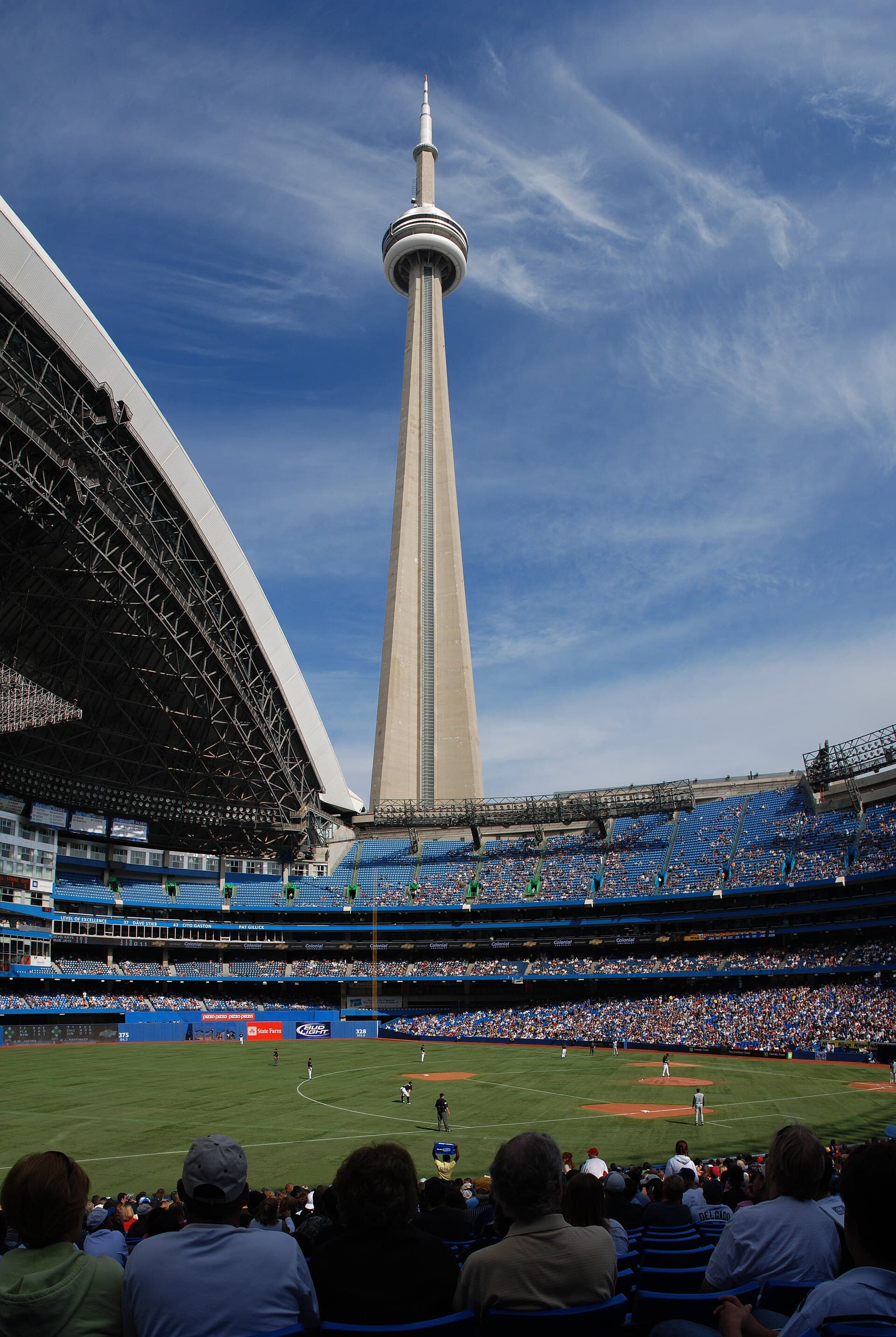
The Toronto Blue Jays entered the 2026 season with high expectations as the reigning American League champions, but the early months have brought frustration rather than fanfare. Through late May the team sat below .500 with a record of roughly 23 and 27, leaving Toronto outside a playoff position and searching for the form that carried it to the World Series a year ago. For a club assembled to win now, the sluggish start has prompted hard questions and growing impatience.
A start that has fallen short
By any reasonable measure, the opening stretch has been a disappointment. A team built to contend has instead spent the early weeks trying to dig itself out of an early hole, and the losing record reflects a club that has struggled to string together the kind of sustained runs that define winning seasons. Inconsistency has been the recurring theme, with promising stretches undone by stretches of poor play.
The most recent results have done little to change the narrative, with the team dropping a tight contest to the New York Yankees in which a late lead slipped away. Close losses of that kind can be especially deflating, hinting at a team that is competitive but not yet able to finish, and they have added to the sense of a season that has not clicked despite the talent on the roster.
The schedule offers some respite ahead, with a series against Pittsburgh followed by a meeting with Miami, opponents against whom Toronto will be expected to gain ground. Stretches against weaker competition often serve as a tonic for struggling clubs, and the Blue Jays will be eager to use them to find a rhythm and begin the climb back toward contention.
The weight of expectations
The slow start stings all the more because of what came before it. Toronto reached the World Series last season, falling just short of a title after winning the American League pennant, and that run raised the bar for what supporters expected this year. A team that played deep into the autumn was supposed to pick up where it left off, not stumble out of the gate.
Instead, the Blue Jays have looked out of sorts. The gap between preseason projections and on-field reality has been jarring, and it has prompted questions about whether the issues are a matter of slow starts from key players or something more structural that will require adjustment over the course of the season. Fans and observers alike have searched for explanations that have not been easy to find.
Defending a pennant is notoriously difficult, and the history of the sport is full of teams that reached the heights one year only to stumble the next. Whether Toronto's struggles are a temporary dip or a sign of deeper problems remains the central question hanging over the season, and the answer will shape the decisions the team faces in the months ahead.
Guerrero searching for form
Much of the attention has centred on Vladimir Guerrero Jr., the cornerstone of the lineup, who has endured a slower start than his standards demand. His power numbers have been down from the production expected of one of the game's premier hitters, and the team's offence has felt the absence of his usual impact in the middle of the order, where his bat is meant to anchor the attack.
Guerrero remains one of the most dangerous bats in baseball when right, and his track record suggests a turnaround is more likely than not. Hitters of his calibre tend to find their level over a long season, and a hot stretch from the first baseman could quickly change the complexion of the lineup and the standings, lifting those around him in the process.
For now, though, the offence has lacked its customary punch, and the team has been unable to consistently overcome that shortfall. Getting Guerrero going will be central to any Blue Jays recovery, and the coaching staff will be working to help him rediscover the form that makes him so feared, knowing the season may hinge on it.
A tougher division than expected
Compounding Toronto's struggles is the strength of its division. The American League East has been led in the early going by Tampa Bay, whose surprising start has forced observers to revise their projections, with the Rays and the Yankees emerging as the class of the league through the season's first quarter and setting a daunting pace for the rest of the division.
That leaves the Blue Jays with little margin for error. Climbing back into contention will require not only fixing their own problems but also overtaking rivals who have set a fast pace, a tall order in a division that rewards consistency and punishes prolonged slumps. The depth of the AL East means there is no easy path back to the top.
The wild-card race offers an alternative path to the postseason, but that too demands a marked improvement on the early results. The longer Toronto lingers below .500, the steeper the climb becomes, and the more pressure builds on a roster that was assembled to win now and cannot afford to let the season drift.
What it means for fans
For a fan base that followed the team on a thrilling run to the World Series last season, the early struggles have been a sobering reset. Expectations were high, and the slow start has tested the patience of supporters who believed this roster was poised for another deep run and a chance to finish the job that eluded it last autumn.
Baseball's long season offers ample time for recovery, and a single rough stretch in the spring rarely defines a campaign. Teams that struggle early often find their footing, and the Blue Jays have the talent on paper to mount a turnaround if the key pieces perform to their abilities and the team begins to play with more consistency.
The coming weeks will be telling. A strong run against beatable opponents could restore confidence and momentum, while continued struggles would intensify scrutiny on the roster and the coaching staff and raise difficult questions ahead of the trade deadline, when the team may have to decide whether to add or to retool.
Where the season turns
For all the focus on the lineup, the team's fortunes may ultimately hinge on its pitching. A rotation that can consistently keep games within reach buys time for the offence to find itself, while a shaky bullpen can turn promising afternoons into the kind of late collapses that have already cost Toronto in the standings. Stabilising the staff, keeping arms healthy and finding reliable late-inning options will be as important to any recovery as a resurgent bat in the heart of the order, and the coaching staff knows it.
The schedule, too, will shape the climb. Baseball's long calendar offers stretches against weaker opponents that a contending team must exploit, and Toronto has several such opportunities in the weeks ahead. Banking wins during those softer stretches is how teams quietly repair a slow start, building the cushion that allows them to compete when the schedule stiffens again. The Blue Jays cannot afford to split series they should win, and the next month will reveal whether they can take care of business against beatable opposition.
There is precedent for patience. Teams that stumble in the spring frequently surge later, and a roster with this much pedigree has the talent to mount a second-half charge if the pieces align. Last season's deep run was itself built on resilience, and the clubhouse has the experience of having weathered adversity before. Whether that experience translates into a turnaround, or whether this proves a year when the breaks simply did not fall Toronto's way, remains the open question of the season.
Looming over it all is the trade deadline, when the front office will have to decide whether this is a team to reinforce or one to retool. A continued slide would force uncomfortable conversations about the direction of a roster built to win immediately, while a turnaround would justify adding pieces for another postseason push. The decisions made in the coming weeks, on the field and in the front office, will define not just this season but the trajectory of the franchise.
Leadership inside the clubhouse will matter as much as anything on the field. A roster with recent postseason experience knows how quickly fortunes can change over a long season, and the veterans who guided the team to the World Series will be leaned upon to steady younger players and to keep the mood from souring during the difficult stretch. A team that fractures under early pressure rarely recovers, while one that stays united and businesslike often finds its way back. How the group responds to adversity, more than any single statistic, may prove the truest measure of whether this season can still be salvaged.
What's next
The immediate priority is to take advantage of a favourable stretch of the schedule and start banking wins. Series against teams below them in the standings represent the kind of opportunities a contender must seize, and the Blue Jays need to begin making up ground before the division leaders pull further away and the deficit becomes harder to overcome.
Beyond the schedule, the team will look for its established stars to play to their track records, with Guerrero's bat at the centre of those hopes. A return to form from the lineup's leaders would do more than any single move to put the season back on course and reignite belief in a roster built for October.
For now, the Blue Jays remain a team of clear talent and unclear results, defending champions in search of the spark that has so far eluded them. With months of baseball still to play, the season is far from lost, but the time to turn it around is drawing nearer, and the pressure to deliver is mounting with each passing series.
Spotted an issue with this article?
Have something to say about this story?
Write a letter to the editor


Comments
Be the first to comment.