Canada Men's Soccer Begins World Cup Send-Off With Edmonton Friendly
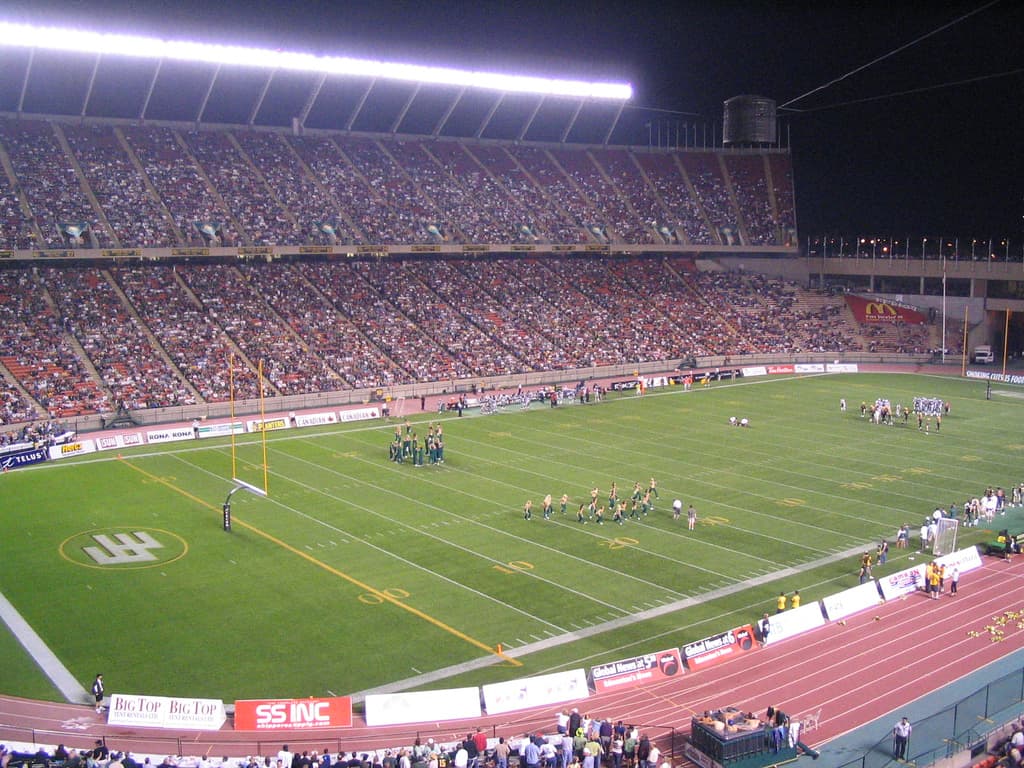
Canada's men's national soccer team begins its final preparations for a home World Cup on Monday, hosting Uzbekistan at Commonwealth Stadium in Edmonton with kickoff set for 7 p.m. local time. The friendly opens a brief send-off window before the team closes its tune-up against the Republic of Ireland at Stade Saputo in Montreal on June 5, with that match scheduled for 19:30 local. The two fixtures represent the last competitive run-outs before the tournament arrives on Canadian soil.
The send-off carries unusual significance because of what follows. The 2026 FIFA World Cup, co-hosted by Canada, Mexico and the United States, runs June 11 to July 19, and Canada qualifies automatically as a co-host nation. It marks the first time the country will stage matches at a senior men's World Cup, and the program has been building toward this moment for years. The Edmonton and Montreal friendlies are the final pieces of that preparation.
Canada Soccer named a 26-man squad for the tournament around May 30, setting the roster that head coach Jesse Marsch will work with over the coming weeks. The send-off matches give Marsch a chance to sharpen tactics, test combinations and build rhythm against international opposition before the games begin to count. With a home crowd behind them, the players will also have an early taste of the atmosphere they can expect once the tournament opens.
This article previews the opening of that window. As the Uzbekistan match is being played, no result is assumed here; the focus is on what the send-off means and how it positions Canada heading into a World Cup it will host.
A home World Cup raises the stakes
Hosting brings opportunity and pressure in equal measure. For Canada, automatic qualification as a co-host removes the uncertainty that has historically defined the men's program's World Cup ambitions. Rather than scrapping through qualification, the team has been able to plan deliberately, scheduling friendlies and camps designed to peak at the right time. The send-off series is the culmination of that approach.
The tournament will see Canada play home matches at BMO Field in Toronto and BC Place in Vancouver, two venues that will host the national team in front of partisan crowds. Playing on home turf is a clear advantage, but it also raises expectations among a public eager to see the program perform on the biggest stage. The send-off matches in Edmonton and Montreal extend that home-soil theme, allowing fans in two more cities to be part of the build-up.
For Canada Soccer, the staging of these friendlies in Edmonton and Montreal reflects a desire to share the occasion across the country. Commonwealth Stadium and Stade Saputo are storied venues, and putting the national team in front of supporters in Alberta and Quebec broadens the sense of national investment ahead of the tournament. The send-off is as much a celebration as a preparation.
The challenge for Marsch and his staff is balancing the ceremonial aspects of a send-off with the practical work of readying a team for elite competition. Friendlies of this nature serve multiple purposes: they offer minutes to key players, opportunities to experiment, and a controlled environment in which to finalise plans before the stakes rise sharply in mid-June.
Marsch's squad blends stars and depth
The Canadian program's profile has risen substantially in recent years, and much of that visibility centres on a small group of prominent names. Alphonso Davies and Jonathan David stand out as the team's most recognisable players, figures whose performances draw international attention and whose presence anchors the squad. Their availability and form are central to Canada's hopes at the tournament.
Davies, a dynamic presence capable of influencing matches from the flank, has become a symbol of the program's growth. David, a reliable goalscorer, gives the team a focal point in attack. Beyond those two, the 26-man squad announced around May 30 fills out a roster that Marsch will shape over the send-off window, though specific selections beyond the well-known names are best treated tentatively until the team takes the field.
Marsch, who has led the men's national team in recent years, brings a clear tactical identity and a reputation for demanding intensity. The send-off matches give him a final stretch to embed his ideas and to assess which combinations are working ahead of the tournament. Against Uzbekistan and then Ireland, he can evaluate his options in real conditions, fine-tuning the group before the opening of the World Cup.
The two opponents offer contrasting tests. Uzbekistan and Ireland present different styles and challenges, giving Canada varied looks across the two friendlies. That variety is valuable: facing distinct approaches in the final tune-ups helps prepare a team for the range of opponents it may encounter once the tournament begins.
Depth has become one of the program's quieter strengths. Where Canada once leaned heavily on a handful of individuals, the squad now carries options across the field, allowing Marsch to rotate without a steep drop in quality. The send-off window is a chance to confirm that depth, distributing minutes so that fringe players gain confidence and the coaching staff leaves the tune-up with a clearer sense of its strongest available group. Settling those questions before June 11 is among the most practical benefits of the two friendlies.
Edmonton opens the window, Montreal closes it
The choice to begin in Edmonton gives Commonwealth Stadium a marquee fixture and brings the national team to a city with a strong sporting tradition. A 7 p.m. local kickoff positions the match in prime time, maximising the audience for the start of the send-off. For supporters in Alberta, it is a rare chance to see the men's national team on the cusp of a World Cup.
The series then shifts east to Montreal, where Stade Saputo will host the closing friendly against Ireland on June 5 at 19:30 local. Closing in Montreal, a passionate soccer market, provides a fitting bookend to the send-off and a final opportunity for the team to play in front of home support before the tournament. The two-city format spreads the occasion and underlines its national scope.
Between the matches, Marsch and his staff will assess what they have seen and make final adjustments. The compressed window, with just a few days separating the two fixtures, demands efficient preparation, but it also mirrors the rhythm of a tournament, where matches arrive in quick succession and recovery becomes essential. In that sense, the send-off is a useful rehearsal for what lies ahead.
The two-city itinerary also carries logistical lessons. Travelling between Edmonton and Montreal, managing recovery, and maintaining focus across distinct environments are precisely the sorts of demands a World Cup imposes, and handling them now allows the staff to refine routines before the stakes climb. The friendlies thus serve as a dress rehearsal not only for the football but for the operational rhythm of a major tournament, where preparation off the field can prove as decisive as anything on it.
What the send-off means for the tournament
Friendlies do not carry the weight of competitive matches, but their value lies in preparation. For a team about to host a World Cup, the send-off offers the last controlled environment to build cohesion, test ideas and settle on a preferred approach. The results matter less than the lessons learned and the rhythm established heading into June 11.
For Canadian fans, the send-off is also an invitation to engage. After years of anticipation, the arrival of a home World Cup is a landmark moment for the sport in the country. The Edmonton and Montreal matches allow supporters to begin the journey alongside the team, sharing in the build-up and signalling the national investment in the tournament to come.
The timing of the send-off, in the final days before the tournament opens, heightens its sense of occasion. With the World Cup beginning June 11, the friendlies fall at the very edge of the preparation window, the last moments before competitive football arrives. That proximity gives the matches an air of anticipation, as fans and players alike sense the tournament drawing near. The send-off is, in effect, the threshold between preparation and the real thing, and crossing it in front of home crowds in two cities makes the moment all the more resonant for a country about to host the world.
The broader picture is one of a program reaching a high point. Co-hosting a World Cup, qualifying automatically, and assembling a squad featuring some of the country's most accomplished players represents a milestone for Canadian soccer. The send-off series is the final step before that picture comes into full focus on the field.
There is also a generational dimension to the moment. A home World Cup gives a new wave of supporters their first chance to follow the national team at the sport's premier event, and the exposure could shape the game's growth in Canada for years. Youth participation, club development and broadcast interest all stand to benefit from a successful summer. In that light, the Edmonton and Montreal friendlies are not merely warm-ups but the opening notes of a tournament with the potential to leave a lasting mark on the Canadian sporting landscape.
What's next
After hosting Uzbekistan in Edmonton on June 1, Canada closes its send-off series against the Republic of Ireland at Stade Saputo in Montreal on June 5. From there, attention turns to the World Cup itself, which runs June 11 to July 19, with Canada playing home matches at BMO Field in Toronto and BC Place in Vancouver. The send-off marks the last preparation before a tournament the country has waited years to host.
Spotted an issue with this article?
Have something to say about this story?
Write a letter to the editor



Comments
Be the first to comment.