Blue Jays Look to June Homestands to Climb the AL East
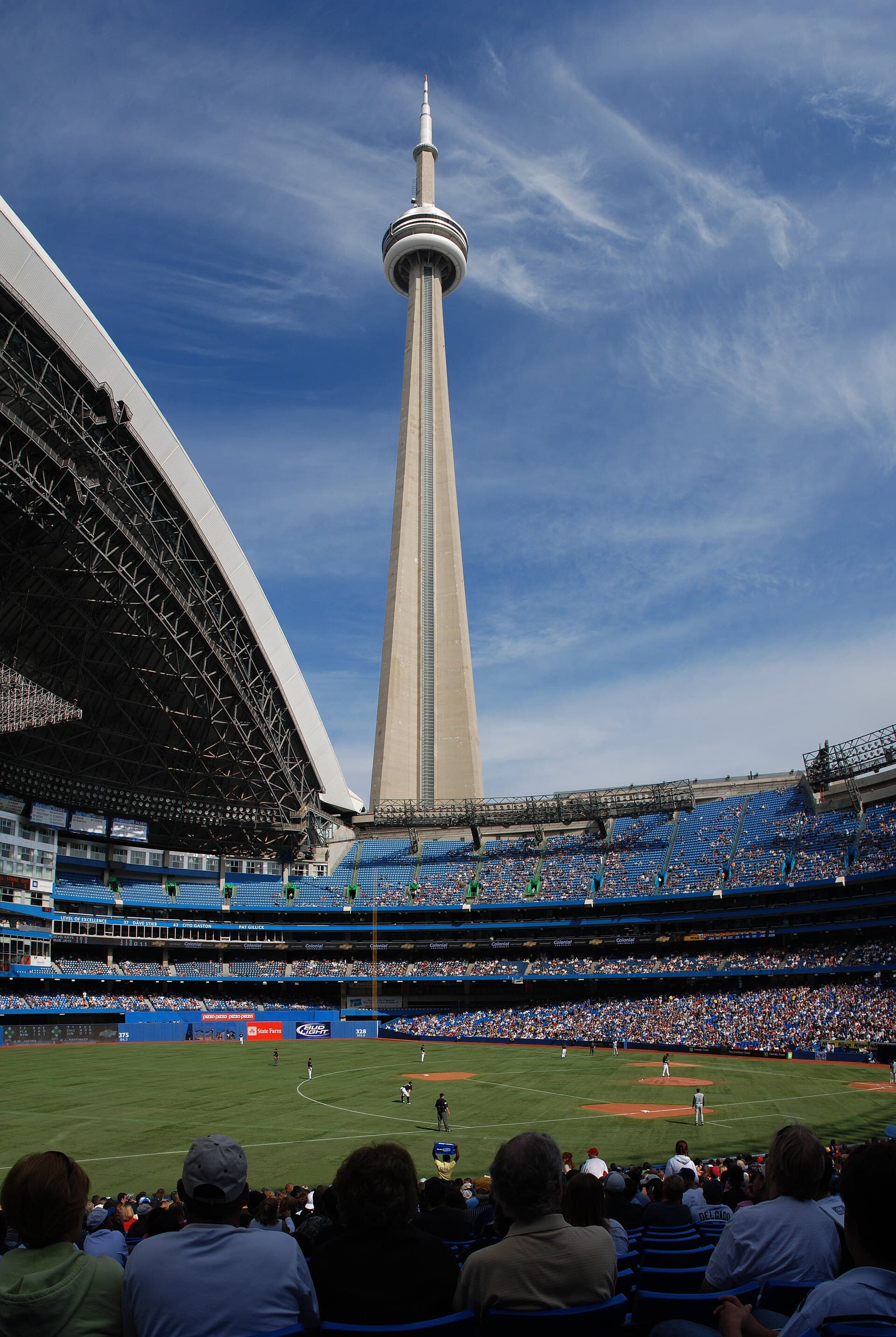
The Toronto Blue Jays enter June with a 29-31 record, sitting third in the American League East and within striking distance of the teams ahead of them. As Canada's only Major League Baseball franchise navigates the early summer, the schedule hands them an opportunity to make ground at home. Two substantial homestands at Rogers Centre, the first running June 5 to 14 and the second June 22 to July 1, give the Blue Jays a concentrated stretch of games in front of their own fans, the kind of run that can shift a season's trajectory.
A record one game under .500 in early June leaves Toronto in a familiar position: close enough to contend, far enough back to feel urgency. The American League East is among the most demanding divisions in the sport, and climbing within it requires beating the teams nearby. The Blue Jays' June slate includes nine division games, three each against the Baltimore Orioles, the New York Yankees and the Boston Red Sox, making the month a meaningful measuring stick.
The homestands are the centrepiece of that opportunity. From June 5 to 14, Toronto hosts nine games over 10 days, welcoming the Orioles, the Philadelphia Phillies and the Yankees in succession. Later in the month, from June 22 to July 1, the Blue Jays play nine games in nine days against the Houston Astros, the Texas Rangers and the New York Mets. Eighteen home games in a single month is a stretch that can build momentum or expose weaknesses.
Anchoring it all is Vladimir Guerrero Jr., the franchise cornerstone whose presence defines the modern Blue Jays. As Toronto looks to climb, the team will lean on its established core and the energy of a Rogers Centre crowd that has long made the venue one of the most distinctive home environments in the league. The coming weeks will test whether the Blue Jays can convert opportunity into results.
A familiar position in a brutal division
The American League East rarely offers an easy path. Year after year, it produces multiple contenders, and a team sitting at 29-31 finds itself in a crowded race rather than out of it. Third place in this division can mean different things at different times, and in early June it leaves Toronto with both reason for concern and reason for optimism. The margins between the teams are thin, and a strong month could reshape the standings.
What makes the division so unforgiving is the quality and depth of its rosters. There are no easy series, and the Blue Jays cannot afford to coast against any opponent. That reality places a premium on consistency, and a record hovering around .500 reflects a team that has been competitive without yet stringing together the kind of run that separates contenders from the pack. June offers a chance to do exactly that.
For Toronto, the path forward runs through its divisional rivals. Nine division games in June, split among Baltimore, New York and Boston, mean a significant share of the month's outcomes will directly affect the standings. Winning those head-to-head matchups is the most efficient way to climb, because each victory also represents a loss for a direct competitor. The Blue Jays know that beating the teams around them carries double weight.
The broader season remains long, and a record one game under .500 in early June leaves ample time to make up ground. But seasons are shaped by stretches, and the Blue Jays now face one of their most concentrated home stretches of the year. How they handle it will say a great deal about whether they can rise within a division that demands the best from every team in it.
The first homestand: June 5 to 14
The opening homestand brings nine games over 10 days, a demanding but valuable run. It begins with the Baltimore Orioles from June 5 to 7, a divisional series that carries immediate standings implications. Three games against a division rival to start a long homestand sets the tone, and Toronto will be eager to come out strong against an opponent it must measure itself against.
The Philadelphia Phillies follow from June 8 to 10, offering interleague-style variety against an opponent from outside the division. While those games do not move the divisional standings directly, they still count in the overall record, and a contending team must take care of business against all comers. The Phillies series gives Toronto a chance to bank wins without the added weight of a divisional matchup.
The homestand closes with the New York Yankees from June 12 to 14, another divisional series against one of the sport's most storied franchises. Yankees games at Rogers Centre traditionally draw large, energised crowds, and the standings stakes only add to the intensity. Closing the homestand against a division rival means Toronto could finish the run having played six of nine games against teams it is chasing or holding off.
Nine games in 10 days is a test of depth, pitching and stamina. Pitching rotations are stretched, bullpens are taxed, and the cumulative wear of a packed schedule can reveal a roster's strengths and limits. For the Blue Jays, navigating this opening homestand effectively, particularly the divisional bookends against Baltimore and New York, represents an early-summer chance to assert themselves at home.
The second homestand: June 22 to July 1
The month's second long homestand is even more compressed: nine games in nine days, with no rest built in. It opens against the Houston Astros from June 22 to 24, a series against a perennial contender from the other division. Houston offers a stern test, and the Blue Jays will look to set a strong tone for the homestand against an opponent with a track record of sustained success.
The Texas Rangers visit next, from June 25 to 27, continuing the run of interdivisional opposition. These games, like the others outside the AL East, do not directly affect Toronto's divisional standing but remain essential to the overall record. A team with postseason ambitions must perform against quality opponents from across the league, and the Rangers series is part of that wider challenge.
The homestand, and the calendar month, conclude with the New York Mets from June 29 to July 1, an interleague matchup that brings a National League opponent to Rogers Centre. Ending the homestand against the Mets gives Toronto a varied stretch of competition, from American League contenders to a National League visitor, all within the friendly confines of home. Closing strong heading into July would carry momentum into the season's second half.
Nine games in nine days places real demands on a roster, with no off-day to reset rotations or rest weary players. Managing pitching becomes a delicate exercise, and depth is tested across the lineup. For the Blue Jays, emerging from this homestand in good shape would signal a team capable of handling the grind that a contending season requires.
Canada's team, with a national following
The Blue Jays occupy a singular place in Canadian sport as the country's only Major League Baseball team. That status gives them a following that extends far beyond Toronto, drawing supporters from every province and creating a fan base unlike any other in the league. When the Blue Jays play well, the interest ripples across the country, and a strong June at home could energise that national audience.
Rogers Centre serves as the home of that following, and a packed stadium provides an atmosphere that can lift a team. The two June homestands offer 18 opportunities for fans to fill the building, and the energy of a supportive crowd can be a genuine factor over a concentrated stretch. For a team looking to climb, the home environment is an asset worth leaning on.
At the centre of the franchise is Vladimir Guerrero Jr., whose stature as the team's cornerstone makes him the focal point for fans across the country. His presence anchors the lineup and the franchise's identity, and Canadian supporters look to him as the face of the team. As the Blue Jays push to improve their position, the contributions of their established stars will be central to the effort.
The national dimension adds stakes to the summer. A successful June could reignite interest from coast to coast, while a difficult stretch would raise questions about the team's direction. Either way, the Blue Jays carry the attention of a country, and the June homestands will play out in front of an audience that spans the entire nation.
What the month could mean
June often functions as an inflection point in a baseball season. By month's end, the standings begin to take clearer shape, and teams gain a better sense of whether they are contenders, sellers or something in between. For the Blue Jays, entering the month at 29-31, the schedule offers a concentrated chance to clarify their identity through a heavy run of home games.
The combination of two long homestands and nine division games makes June a pivotal stretch. Beating divisional rivals at home is the most direct route up the standings, and doing so in front of a supportive crowd would build belief. Conversely, a flat month at home would leave the Blue Jays facing harder questions about how to close the gap in a tough division.
The season, of course, extends well beyond June, and no single month decides a campaign. But the way Toronto handles this stretch will shape expectations for the months ahead. With 18 home games and a slate heavy on division opponents, the opportunity is clear. The Blue Jays will aim to seize it and climb within the American League East.
What's next
Toronto opens its first big homestand on June 5 against Baltimore, the start of nine games in 10 days against the Orioles, Phillies and Yankees. After a brief road stretch, the Blue Jays return for a second homestand from June 22 to July 1, hosting Houston, Texas and the Mets in nine games over nine days. With nine division games on the June schedule, the month offers Toronto a clear chance to climb the standings and define its season heading into July.
Spotted an issue with this article?
Have something to say about this story?
Write a letter to the editor

Comments
Be the first to comment.