Canada Braces for High-Risk Wildfire Season as Prairie Evacuations Begin
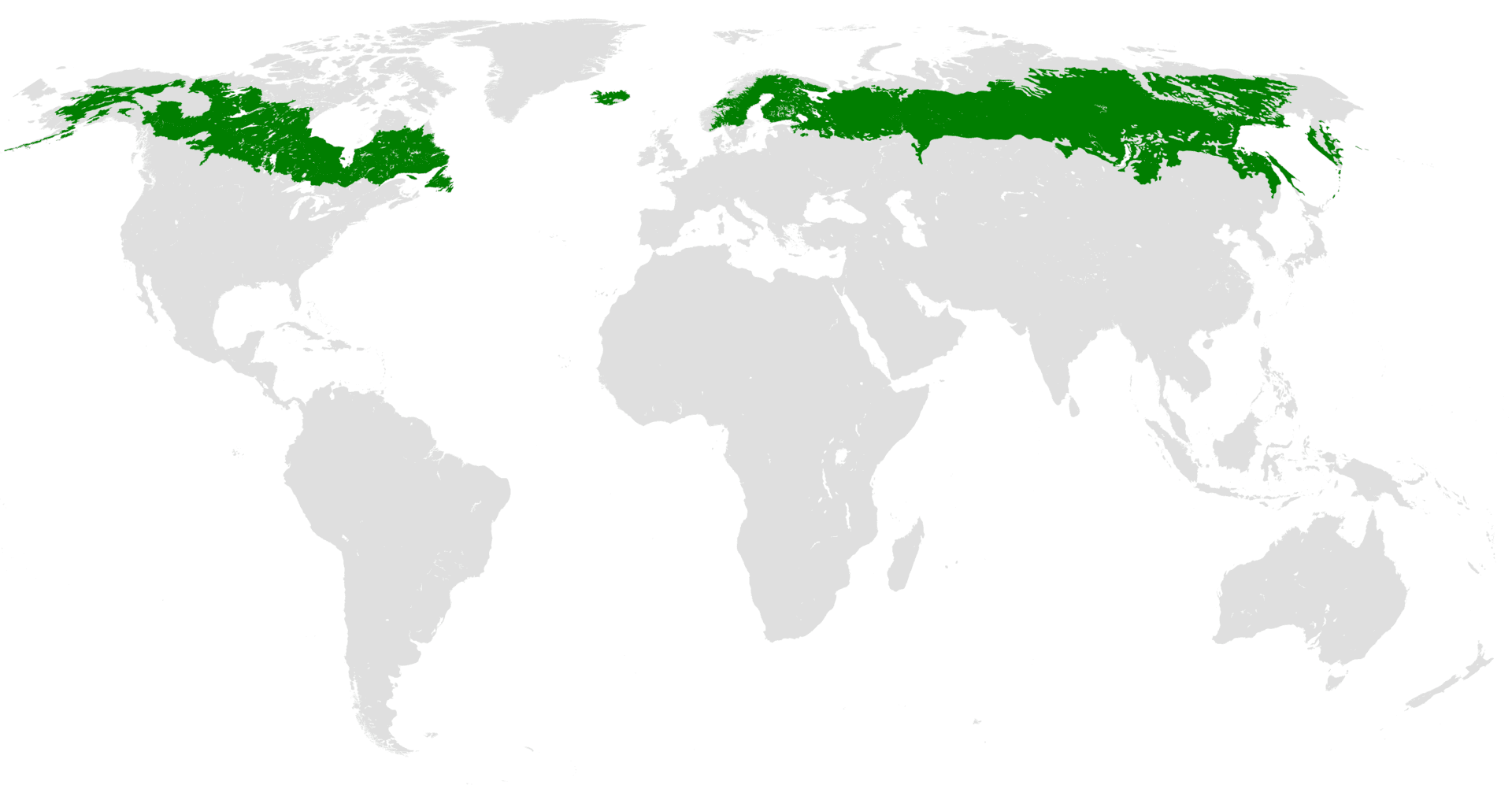
Canada has entered the 2026 wildfire season under a high-risk outlook, with more than 104 active wildfires burning across the country in mid-May and Prairie communities already forced from their homes. The fires, concentrated in Alberta, British Columbia and Saskatchewan, have prompted emergency alerts, destroyed buildings and put families on standby, signalling a difficult summer for a nation coming off three consecutive severe fire years.
The Government of Canada, through Public Safety Canada, issued a 2026 wildfire season preparedness and outlook update in May, warning that fire danger is expected to build through July. Natural Resources Canada modelling shows British Columbia facing the highest and most sustained risk, with elevated danger possibly emerging quickly in northern, central and eastern parts of the country as the season progresses. The season has started slowly in some respects but at a high level of risk, a combination that leaves little room for complacency.
For Prairie residents, the threat is already concrete rather than projected. Evacuations have begun in Alberta and Saskatchewan, fires have destroyed structures, and communities in Manitoba are watching flames return to land that burned only last year. The early activity has reinforced warnings from fire officials and underscored the strain that repeated severe seasons place on residents, firefighters and provincial resources.
Alberta: a fast-moving emergency at Thunder Lake
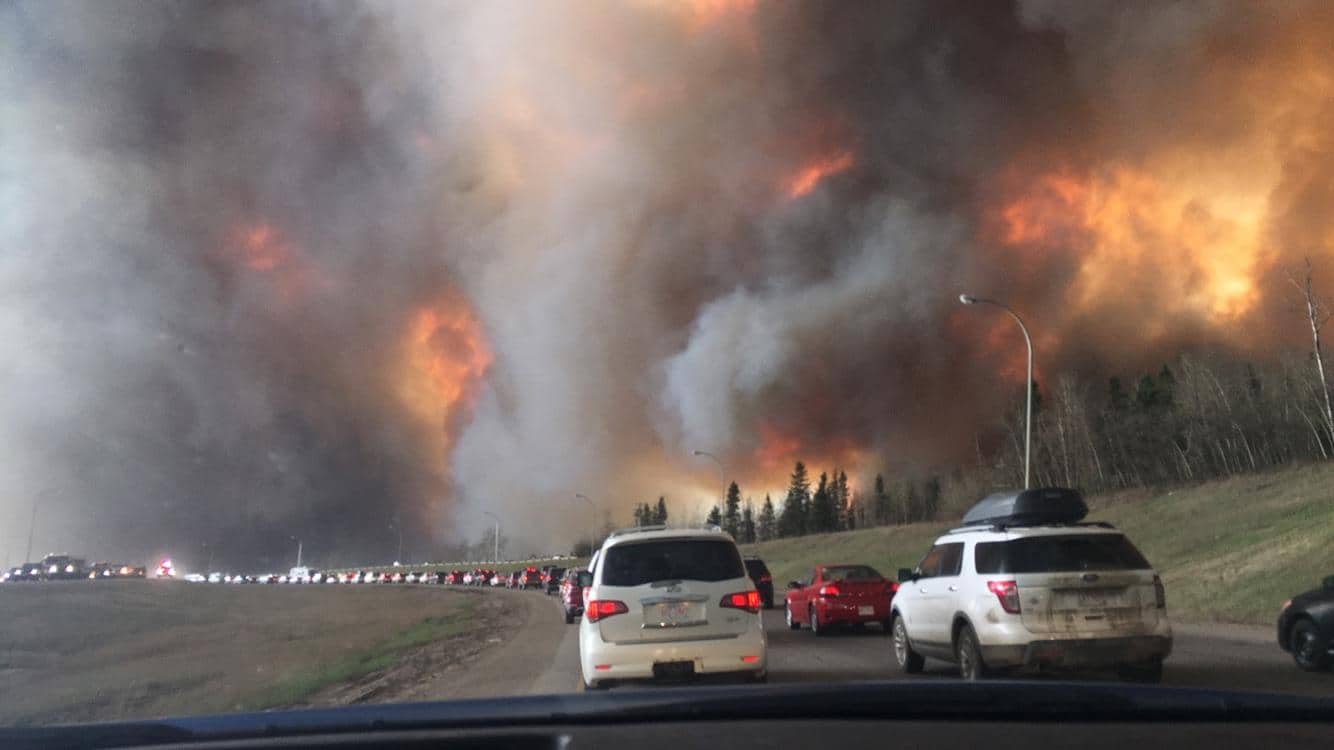
One of the season's most acute early incidents struck near Thunder Lake in Alberta. On May 28, a critical Alberta Emergency Alert told residents to evacuate immediately after structural fires broke out south of the provincial park boat launch. The urgency of the alert reflected how quickly a wildfire situation can escalate, leaving residents little time to gather belongings and leave.
The alert was cancelled the following day at 11:03, allowing the community to begin assessing the damage. The speed with which the emergency was declared and then lifted illustrates the volatile, fast-changing nature of early-season fire behaviour, where conditions can deteriorate and improve within hours depending on wind, temperature and the success of suppression efforts.
The toll, while contained, was real. The county manager said 13 properties were impacted and six buildings were destroyed in the Thunder Lake incident. For the families affected, the loss of homes and structures is a stark reminder of what is at stake, even in a fire that was brought under control within a day. The episode set an anxious tone for the weeks ahead.
Thunder Lake's experience is a microcosm of the broader Alberta picture, where the province sits among the hardest hit by early-season activity. The combination of structural loss, rapid evacuation and the quick lifting of the alert captures the unpredictable rhythm that has come to define recent fire seasons across the province.
Saskatchewan: evacuations and homes under threat
In Saskatchewan, the early season has forced residents from their homes and put others on edge. Residents of Duck Lake were compelled to evacuate as an uncontained wildfire threatened homes, a situation made more alarming by the fire's lack of containment. An uncontrolled blaze near a community leaves emergency officials with limited options beyond moving people out of harm's way.
Near Prince Albert, the Lobstick Fire threatened six homes, with some families evacuated and others placed on standby. The standby designation captures the uncertainty that grips communities during an active fire: residents must remain ready to leave at a moment's notice while their daily lives are suspended, watching weather forecasts and official updates for signs of which way the danger will turn.
The Saskatchewan incidents reflect a province grappling with multiple simultaneous threats early in the season. Each fire demands suppression resources, and the prospect of several burning at once stretches the capacity of crews and equipment. With fire danger forecast to build through the summer, the early appearance of uncontained fires raises concerns about how the province will cope as conditions worsen.
For the families in Duck Lake and around Prince Albert, the immediate experience is one of disruption and worry. Evacuations upend routines, separate people from their homes and possessions, and carry no guarantee of when, or in what condition, residents will be able to return. That uncertainty is among the heaviest burdens of a fire season that has only just begun.
Manitoba: fire returns to scorched land
Manitoba's early season carries a particular resonance because fire has returned to areas that burned last year. Seven fires were reported burning between The Pas and Cranberry Portage, a corridor scorched in the previous season. The reappearance of fire on recently burned land highlights how repeated severe seasons compound the strain on communities and ecosystems in the same regions year after year.
Closer to Easterville, a fire burning about one kilometre away had consumed roughly 400 hectares. A blaze of that size in such proximity to a community represents a clear and present danger, the kind of situation that keeps residents and officials on high alert. The closeness of the fire underscores how little margin separates a contained incident from a direct threat to homes and lives.
The pattern of fire striking the same areas in consecutive years speaks to the broader trajectory of Canada's fire seasons. Communities in northern Manitoba have endured repeated disruptions, and the psychological and material toll accumulates with each season. Land that has not had time to recover from one year's fire faces renewed pressure, complicating both ecological recovery and community resilience.
Manitoba's situation rounds out a Prairie picture defined by active, threatening fires across all three provinces. From Alberta's structural losses to Saskatchewan's evacuations and Manitoba's recurrence of fire on burned ground, the region has borne the early brunt of a season that federal forecasters expect to intensify.
A national outlook of building danger
The federal assessment frames the Prairie incidents within a wider national picture of escalating risk. Natural Resources Canada modelling shows fire danger building through July, a trajectory that suggests the most challenging period of the season still lies ahead. British Columbia, in particular, faces the highest and most sustained risk, positioning the province as a likely focal point as the summer advances.
The modelling also warns that elevated danger could emerge quickly in northern, central and eastern Canada. That breadth means the threat is not confined to the West, and regions that have so far avoided major activity cannot assume they will remain spared. The possibility of rapid escalation in multiple regions complicates planning and resource allocation for agencies that must position crews and equipment across a vast country.
Public Safety Canada's preparedness and outlook update, issued in May, reflects a government attempting to get ahead of a season it expects to be demanding. The update serves both as a warning to the public and as a signal that federal coordination is being mobilised early. Preparedness messaging, evacuation planning and inter-provincial cooperation become central tools when fire danger is forecast to build across such a wide geography.
The backdrop to all of this is Canada's recent history of severe fire seasons. The country is coming off three consecutive severe fire years, a run that has tested firefighting capacity, displaced communities and focused attention on the role of a changing climate in driving longer, more intense fire seasons. The cumulative experience has heightened both public anxiety and institutional readiness heading into 2026.
Climate pressure and a system under strain
The early severity of the 2026 season cannot be separated from the longer pattern that has reshaped Canadian summers. Three consecutive severe fire years have established a baseline of intensity that would once have been considered exceptional, and scientists and officials increasingly point to a warming climate as a driver of longer fire seasons, drier fuels and conditions that allow fires to ignite earlier and spread faster. The reappearance of fire on land in Manitoba that burned only last year fits squarely within that trajectory.
The cumulative effect on firefighting capacity is significant. Each severe season draws heavily on crews, aircraft and equipment, and consecutive demanding years leave little time for recovery, rest or the rebuilding of resources between fire seasons. Provinces frequently rely on mutual aid arrangements and international support to supplement their own crews when multiple large fires burn at once, and a season forecast to intensify across several regions raises the prospect of competing demands stretching those arrangements thin.
Communities, too, bear an accumulating burden. Repeated evacuations disrupt livelihoods, strain local infrastructure and take a psychological toll on residents who face the recurring threat of losing their homes. The standby designations applied to families near Prince Albert and elsewhere capture a particular kind of stress, in which normal life is suspended indefinitely while people wait to learn whether they must flee. For Indigenous and remote northern communities, the challenges of evacuation are compounded by distance and limited transportation options.
The financial and human costs of this pattern have pushed wildfire preparedness higher on the policy agenda. Public Safety Canada's decision to issue an early outlook update reflects a recognition that preparation, coordination and clear public communication are essential when fire danger is forecast to build across a wide area. Investments in monitoring, modelling and response capacity have become central to how governments at all levels attempt to manage a threat that recent years suggest is intensifying.
What's next
The coming weeks will test whether the slow but high-risk start gives way to the intensifying danger that federal modelling anticipates. With fire danger forecast to build through July and British Columbia identified as facing the most sustained risk, agencies and communities across the country are bracing for a period in which the demands on firefighting resources could rise sharply.
For Prairie residents already affected, the focus turns to recovery and continued vigilance. Communities such as Thunder Lake must rebuild from structural losses, while those around Duck Lake, Prince Albert, The Pas, Cranberry Portage and Easterville remain alert to fires that are active or have only recently been contained. The standby status facing some families captures the lingering uncertainty that will persist through the season.
At the national level, the government's early preparedness messaging and Natural Resources Canada's modelling will guide how Canada positions itself for the months ahead. After three straight severe years, the 2026 season arrives with elevated stakes, and the early Prairie evacuations stand as a warning of the challenges that a building fire danger may bring to communities from coast to coast.
Spotted an issue with this article?
Have something to say about this story?
Write a letter to the editor


Comments
Be the first to comment.