Wildfires Force Largest Evacuation in Manitoba's Living Memory
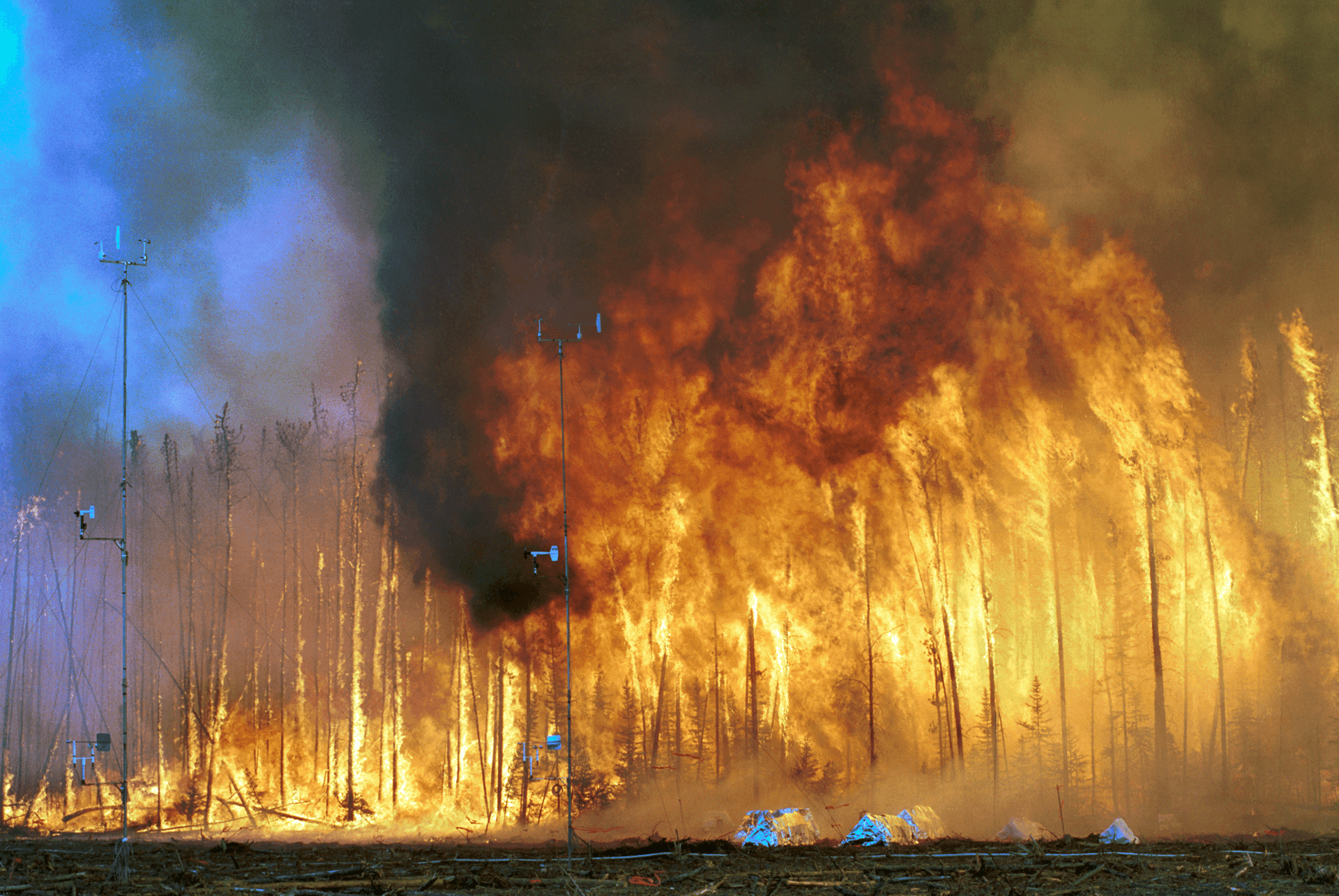
An early and ferocious start to the 2026 wildfire season has forced one of the largest evacuations in Manitoba's modern history, with states of emergency declared in both Manitoba and Saskatchewan and tens of thousands of residents driven from their homes. Officials have described a rapidly escalating crisis, with fires burning out of control across the Prairies, smoke degrading air quality far beyond Canada's borders and the first civilian deaths of the season already recorded.
The scale of the crisis
In Manitoba, roughly 17,000 people received evacuation orders, many of them seeking shelter in Winnipeg or in hotels as far away as Ontario. Premier Wab Kinew described the situation as the largest evacuation Manitoba would have seen in most people's living memory, a stark assessment of a fire season that has arrived earlier and more aggressively than usual. In Saskatchewan, about 15,000 people had been evacuated as the province grappled with its own fast-moving fires.
The numbers paint a picture of a region under strain. Manitoba reported 27 active fires, nine of them considered out of control, while Saskatchewan reported 21 active wildfires with eight deemed completely uncontained. The Lobstick Fire in Saskatchewan grew rapidly and crossed the North Saskatchewan River, threatening homes and forcing families to evacuate while others were placed on standby.
The human cost has already been felt. Two people in the small Manitoba town of Lac du Bonnet were killed, the first civilian casualties from wildfires in the province's recent history. Residents of Duck Lake, Saskatchewan, were among those forced to flee as uncontained fires bore down on communities, underscoring how quickly the danger has spread.
Why the season started so early
Wildfires are a recurring feature of Prairie summers, but the timing and intensity of the current outbreak have alarmed officials. An early onset of hot, dry conditions, combined with available fuel on the landscape, created the ingredients for fires to ignite and spread before the season would normally peak. Climate scientists have repeatedly warned that warming temperatures are lengthening fire seasons and increasing the likelihood of extreme fire behaviour.
The early start has practical consequences for the firefighting effort. Resources that would typically be marshalled and positioned over the course of a season have had to be mobilised quickly, and the demand for crews, aircraft and equipment can outstrip supply when multiple large fires burn simultaneously across more than one province. Mutual-aid arrangements between provinces and internationally become critical in such circumstances.
For communities in the path of the fires, the speed of escalation has left little time to prepare. Evacuation orders have come quickly, and the logistics of moving thousands of people, including those with medical needs and limited transportation, present enormous challenges for local authorities and emergency officials.
Smoke crosses borders
The effects of the fires have extended well beyond the communities directly threatened. Smoke from the Prairie blazes has degraded air quality across several American states, including Michigan, Wisconsin and Minnesota, and has drifted as far as parts of western Europe. The cross-border reach of the smoke is a reminder that wildfire impacts are not confined by provincial or national boundaries.
Poor air quality carries its own health risks, particularly for children, the elderly and people with respiratory or cardiac conditions. Health authorities typically advise vulnerable residents to stay indoors, limit strenuous activity and monitor official air-quality advisories when smoke is heavy. The reach of this year's smoke means those warnings have applied to populations far from the fires themselves.
The smoke has also revived memories of recent severe fire seasons that blanketed major cities in haze and disrupted daily life across large parts of the continent. Each repetition adds to public concern about whether such events are becoming a routine feature of summers in Canada and the broader region.
The response on the ground
Provincial governments have leaned on emergency-management agencies to coordinate evacuations, open shelters and direct firefighting resources to the most threatened areas. The declaration of states of emergency gives authorities expanded powers to compel evacuations, commandeer resources and streamline the response.
For evacuees, the experience is wrenching. Families have been displaced with little notice, uncertain when they will be able to return and whether their homes will be standing when they do. Communities that host evacuees, including Winnipeg and centres in Ontario, have mobilised to provide accommodation and support, a familiar pattern in a country that has weathered repeated fire emergencies.
The federal government has historically provided assistance during major wildfire events, including military support for evacuations and logistics when provincial capacity is overwhelmed. The scale of the current crisis raises the prospect of such support being called upon as the season progresses.
What it means for Canadians
The early and severe start to the season is a warning sign for the months ahead. Fire seasons that begin in May with fires already out of control leave little margin before the traditional peak of summer, raising the risk of a prolonged and costly campaign that stretches resources and tests the resilience of affected communities.
Beyond the immediate emergency, the fires feed into a broader national conversation about adaptation. Communities, insurers and governments are increasingly grappling with how to prepare for a future in which extreme fire events are more frequent, from fire-smart building practices to evacuation planning and investment in firefighting capacity.
For the thousands already displaced, those longer-term debates are secondary to the immediate ordeal of leaving home under threat. Their experience is a vivid reminder of the human dimension behind the statistics, and of the stakes involved in how Canada prepares for and responds to a warming climate.
A pattern of worsening seasons
The current emergency does not stand in isolation. Recent years have brought a succession of severe wildfire seasons across Canada, with record-breaking areas burned, widespread evacuations and smoke that has blanketed major cities and drifted across continents. Each severe season adds to a growing body of evidence that fire is becoming a more frequent and more destructive feature of Canadian summers.
Scientists have consistently linked the trend to a warming climate. Higher temperatures dry out forests and grasslands, lengthen the period during which fires can ignite and spread, and create conditions for the kind of explosive fire behaviour that overwhelms firefighting resources. The early start to the 2026 season fits squarely within that pattern.
For the Prairies, which have borne the brunt of the current outbreak, the implications are sobering. Communities that once experienced major fires only rarely are increasingly having to plan for them as a recurring threat, with consequences for everything from emergency preparedness to insurance and long-term land-use decisions.
The strain on resources and communities
Battling multiple large fires across more than one province simultaneously places enormous strain on Canada's firefighting capacity. Crews, aircraft and equipment are finite resources, and when several major fires burn at once, provinces must compete for help and lean on mutual-aid agreements that draw personnel from other jurisdictions and even from abroad.
The human toll extends well beyond the immediate danger. Evacuees face the disruption and trauma of being uprooted, often with little notice and uncertain timelines for return. Indigenous communities in particular have frequently borne a disproportionate share of wildfire displacement, given the location of many First Nations in forested and remote regions, raising distinct challenges around evacuation, housing and support.
Host communities also feel the effects, as centres like Winnipeg absorb thousands of displaced residents and stretch their own resources to provide shelter, food and care. The repeated cycle of evacuation and return takes a cumulative toll on the mental health and resilience of those affected, a dimension of the crisis that is easily overlooked amid the focus on acres burned and fires contained.
Preparing for a new normal
The severity of recent fire seasons has forced communities, governments and businesses to confront the prospect that extreme wildfire events are becoming a recurring feature of life in much of Canada rather than rare emergencies. That shift carries implications across many areas, from emergency planning to infrastructure, insurance and the design of communities themselves.
Adaptation measures range from fire-smart building practices and the management of vegetation around communities to investments in firefighting capacity and improved evacuation planning. Some experts have called for greater attention to forest management and to reducing the buildup of fuel that allows fires to grow so large and so fast, though such measures involve significant cost and complexity.
The insurance dimension is also coming into sharper focus, as repeated disasters raise questions about the affordability and availability of coverage in fire-prone regions. For communities increasingly exposed to wildfire risk, the financial and practical challenges of adapting are considerable, and the current emergency in the Prairies is likely to intensify the national conversation about how Canada prepares for a future in which such events are more frequent and more severe.
What's next
With fires still burning out of control and the season only beginning, officials have warned that conditions could worsen before they improve. Much will depend on the weather: rainfall and cooler temperatures could ease the pressure, while continued heat and wind could drive further growth and additional evacuations.
Provincial and federal authorities will be focused on protecting communities, supporting evacuees and bracing for the possibility of a long summer. For residents of the Prairies and beyond, the early outbreak is a sobering start to a season that may demand sustained vigilance, and a reminder of how quickly wildfire can upend lives across vast stretches of the country.
For the tens of thousands already displaced, the priority remains safety and the eventual return home, while for officials the focus is on containing the fires and supporting affected communities through a crisis that has tested provincial capacity. Beyond the immediate emergency, the season adds urgency to the broader national reckoning with how Canada lives with wildfire in a warming climate. The choices made now, about preparedness, forest management, community resilience and emergency response, will shape how the country weathers the fire seasons still to come, seasons that the evidence suggests are likely to arrive earlier, burn hotter and demand more of Canadians than ever before.
Spotted an issue with this article?
Have something to say about this story?
Write a letter to the editor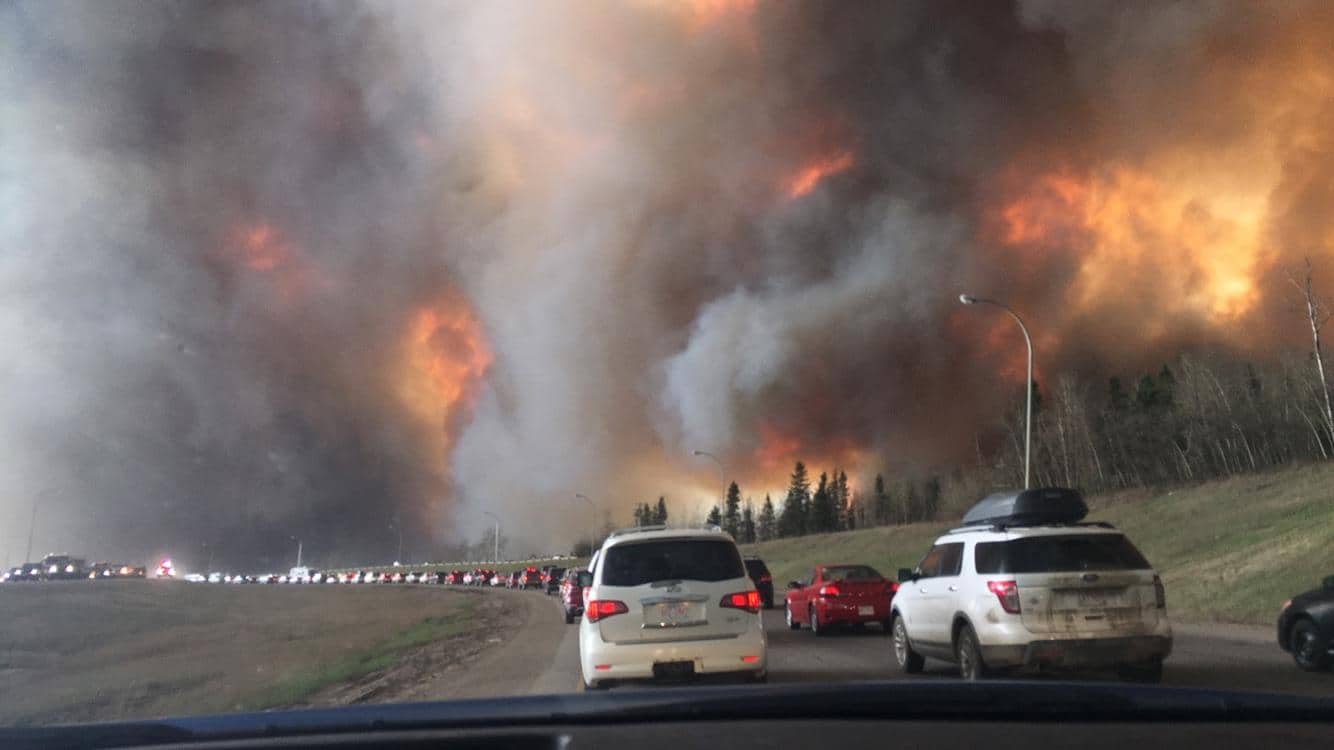


Comments
Be the first to comment.