Canada Names World Cup Roster as Home-Soil Tournament Nears
Canada's men's national soccer team has its World Cup roster. Head coach Jesse Marsch unveiled the 26-man squad in a prime-time television special, capping a training camp in Charlotte and setting the stage for a tournament that Canada will help host alongside the United States and Mexico. With captain Alphonso Davies, forwards Jonathan David and Cyle Larin, and a deeper, more experienced player pool than the country has ever brought to a World Cup, expectations are higher than at any point in the program's history.
The roster reveal
Marsch invited 32 players to the Charlotte camp before narrowing the group to the 26 who will represent Canada at the tournament. The roster announcement aired simultaneously across multiple Canadian broadcasters, a sign of the growing public appetite for a national team that has transformed itself over the past several years from a perennial absentee into a genuine World Cup participant with ambitions to match.
The headline names were never in doubt. Davies, the captain and the team's most recognisable star, is expected to feature despite missing part of camp as he recovered from a hamstring injury, a situation the coaching staff will manage carefully heading into the tournament. Up front, Jonathan David, coming off his first season with Juventus, and Cyle Larin, who found the net regularly in English football, give Canada a forward pairing capable of troubling any defence.
The selection process inevitably produced difficult decisions, with players who featured in qualifying and camp ultimately left out of the final group. Those choices reflect both the depth Canada now enjoys and the hard reality of a 26-man limit, a far cry from the days when the program struggled to field a competitive side.
The send-off series
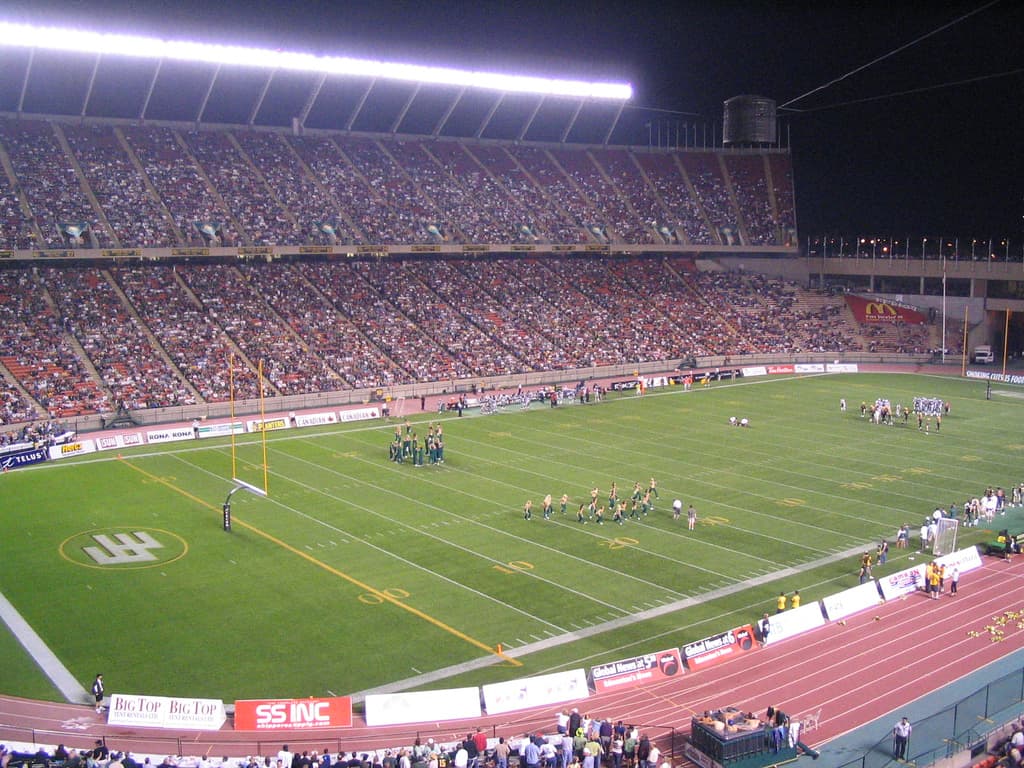
Before the tournament begins, Canada will sharpen its preparations with a pair of send-off matches. The team is scheduled to face Uzbekistan on June 1 at Commonwealth Stadium in Edmonton, followed by a meeting with the Republic of Ireland on June 5 at Stade Saputo in Montreal. The two friendlies offer Marsch a final opportunity to test combinations, build fitness and foster cohesion before the stakes rise.
The choice of Edmonton and Montreal as venues reflects an effort to bring the national team to fans across the country ahead of the tournament. Playing at home in front of supportive crowds is intended to build momentum and connection, turning the send-off matches into a celebration as much as a tune-up.
For players returning from injury, including Davies and others who have battled fitness issues, the friendlies serve a practical purpose: a chance to find rhythm and prove readiness. Marsch will be balancing the desire to integrate his full squad against the need to protect key players from the risk of fresh injury so close to the tournament.
Returning from injury
Injuries have shadowed Canada's build-up, lending the camp an air of cautious optimism. Defender Moise Bombito, who had not played since suffering a leg fracture the previous autumn, pushed to be available, while striker Promise David overcame significant hip surgery earlier in the year to chase his World Cup dream. Their inclusion, where fitness permits, speaks to the determination running through the squad.
The most closely watched fitness situation is that of Davies. As the team's talisman, his availability and sharpness could shape Canada's ceiling at the tournament. The coaching staff faces the delicate task of easing him back to full fitness without risking a setback, a calculation that will play out through the send-off matches and into the group stage.
Managing this collection of returning players is among Marsch's central challenges. A squad with its key pieces healthy and in form looks formidable; one hampered by lingering injuries faces a steeper climb. The coming days will offer clarity on where Canada stands.
The group stage challenge
Canada was drawn into Group B at the tournament draw held in Washington, alongside Bosnia and Herzegovina, Qatar and Switzerland. The group offers a mix of styles and pedigrees, with Switzerland the most established name and Bosnia and Qatar each presenting their own threats. Canada's matches are scheduled across June, including fixtures in Toronto and Vancouver, two of the Canadian host cities.
Playing group-stage matches on home soil is an enormous advantage, and one the program has never enjoyed at a World Cup. Familiar surroundings, supportive crowds and the absence of long travel could all work in Canada's favour as it seeks to advance from the group, a goal that would mark a historic achievement for the nation.
The expectations that come with home advantage cut both ways. A supportive public will be hoping for a deep run, and the pressure to deliver in front of home fans adds a psychological dimension that Marsch and his players will have to manage. Embracing that pressure, rather than buckling under it, will be part of the test.
What it means for Canadian soccer
For Canadian soccer, the World Cup represents a generational moment. Co-hosting the tournament places the sport in the national spotlight as never before, and a competitive showing from the men's team could accelerate the growth in participation, investment and fandom that the program has fostered in recent years.
The roster Marsch has assembled reflects how far the sport has come. A pool deep enough to produce difficult selection decisions, headlined by players competing at major European clubs, would have been unimaginable a decade ago. That progress has built genuine belief that Canada can be more than a participant at its home World Cup.
The tournament also offers a chance to inspire the next generation. Young Canadians watching their national team compete on home soil, in stadiums in Toronto and Vancouver, could be drawn to the sport in numbers that reshape its future in the country. The legacy of the event may ultimately be measured as much in that inspiration as in results.
A program transformed
The squad Marsch has named is the product of a transformation that has reshaped Canadian men's soccer over the past several years. Not long ago, the program was a perennial absentee from major tournaments, struggling to qualify and lacking the depth of talent to compete with the world's established sides. The turnaround has been swift and striking.
That rise has been built on a generation of players who developed in stronger domestic and international environments, many of them earning moves to prominent European clubs. The emergence of stars capable of competing at the highest levels, combined with investment in the program and the spur of a home World Cup, has lifted Canadian soccer to a place few would have predicted a decade ago.
The roster's depth, evidenced by the difficult decisions Marsch faced in trimming his group to 26, is perhaps the clearest sign of that progress. Where the program once struggled to field a competitive lineup, it now must leave capable players at home. That embarrassment of riches is a luxury Canadian soccer has rarely enjoyed and a marker of how far it has come.
The home-soil advantage and pressure
Co-hosting the World Cup offers Canada advantages no previous edition has provided. Playing group-stage matches in Toronto and Vancouver, in familiar conditions and before supportive home crowds, removes the burdens of long travel and hostile environments that often disadvantage visiting teams. For a program seeking to advance beyond the group stage for the first time, that edge could prove decisive.
The advantage comes paired with pressure, however. Home fans will arrive with high hopes, and the weight of expectation can be a double-edged sword, inspiring teams to rise to the occasion or weighing them down at crucial moments. Managing that psychological dimension will be part of Marsch's task as he prepares his squad for the spotlight.
The broader stakes extend beyond results on the pitch. A strong showing on home soil could accelerate the growth of soccer in Canada, drawing new fans and players to a sport that has been steadily gaining ground. The tournament represents a generational opportunity to cement soccer's place in the Canadian sporting landscape, and the team's performance will help determine how fully that opportunity is realised.
The group-stage challenge in detail
Canada's draw into Group B presents a balanced but demanding set of opponents. Switzerland, the most established of the three, brings tournament pedigree and a well-organised side that has consistently performed at major competitions. Navigating that fixture will test Canada's ability to compete with a seasoned European nation accustomed to the rhythms of World Cup football.
Bosnia and Herzegovina and Qatar present their own distinct challenges. Each offers a different style and set of threats, and in a tournament where margins are fine, none can be taken lightly. The group offers Canada a genuine opportunity to advance, but only if the team performs to its potential across all three matches rather than relying on a single result.
The scheduling of fixtures in Canadian host cities, including Toronto and Vancouver, adds a dimension that could prove decisive. Playing crucial group-stage matches before home crowds, in familiar conditions and without the burden of long travel, gives Canada an advantage that few teams at the tournament will enjoy. Converting that edge into results is the task that now confronts Marsch and his players as the World Cup approaches.
What's next
With the roster set, attention turns to the send-off matches against Uzbekistan and Ireland, which will offer the final glimpse of Canada before the tournament begins. Marsch will use those games to settle on his preferred lineup, assess the fitness of returning players and build the cohesion that tournament success demands.
From there, the focus shifts to the group stage and the daunting but thrilling prospect of competing at a home World Cup. For a program transformed over recent years, the moment it has been building toward has arrived. Canadian fans will hope that the team can rise to the occasion and write a memorable chapter in the country's soccer history.
Spotted an issue with this article?
Have something to say about this story?
Write a letter to the editor


Comments
Be the first to comment.