Canadian Warship Transits Taiwan Strait, Drawing Beijing's Ire
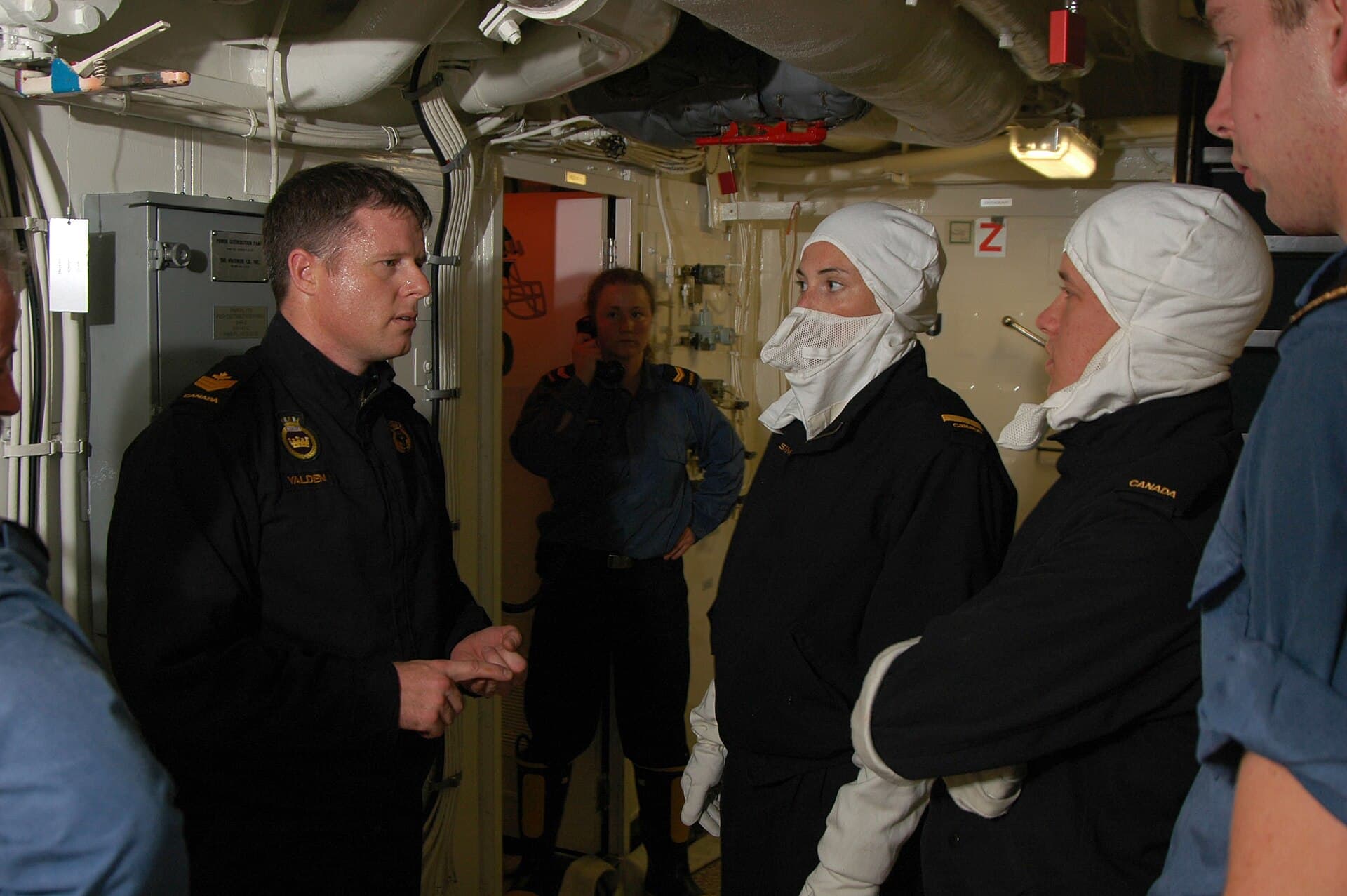
A Canadian warship's passage through the Taiwan Strait has drawn sharp criticism from Beijing, thrusting Canada into one of the world's most sensitive geopolitical flashpoints and testing Ottawa's delicate effort to balance a recently announced partnership with China against its security commitments in the Indo-Pacific. The transit of HMCS Charlottetown, which took place over two days in late May, was characterised by Canadian and allied officials as a routine assertion of freedom of navigation, but it has been condemned by China as a challenge to its sovereignty claims.
What happened
HMCS Charlottetown conducted a transit through the Taiwan Strait on May 22 and 23, sailing the waterway that separates the Chinese mainland from Taiwan. Canadian officials framed the passage as a routine transit consistent with international law and the principle of freedom of navigation, the same rationale Western navies have invoked for similar operations.
The transit drew a pointed response from Beijing, which views such passages as political and military challenges to its claims over Taiwan. China criticised the Canadian operation, casting it as an intrusion into a strait it considers sensitive to its sovereignty. The exchange follows a familiar pattern in which Western naval transits prompt objections from China.
The timing carried particular significance. It marked the first time Canada had used the route since a new strategic partnership with Beijing was announced earlier in the year, making the passage a notable assertion of independence at a moment when Ottawa has been attempting to recalibrate its relationship with China.
The balancing act
The transit highlights the difficult balancing act Canada is attempting in its relations with China. The announcement of a strategic partnership earlier in the year signalled an effort to stabilise and improve a relationship that had been deeply strained in recent years. Yet Canada also maintains security commitments and alliances that put it at odds with Beijing's posture in the region.
By sending a warship through the Taiwan Strait, Canada signalled that warmer ties would not come at the expense of its support for freedom of navigation and its alignment with allies in the Indo-Pacific. The move suggests Ottawa is seeking to engage with Beijing economically and diplomatically while continuing to assert its principles on security and international law.
That dual approach carries risks. Beijing has shown willingness to retaliate against countries it perceives as challenging its interests, and Canada's experience in recent years has demonstrated how quickly the relationship can sour. Navigating between engagement and assertiveness will require careful management to avoid undermining either objective.
The broader regional picture
The Canadian transit was part of a wider pattern of allied naval activity in the region. Warships from the United States, the Philippines, Japan, Australia and Canada conducted combined exercises focused on anti-submarine operations, fleet air defence and replenishment at sea in contested waters, reflecting a coordinated Western presence in the Indo-Pacific.
That presence is intended to signal support for freedom of navigation and a rules-based order in a region where China has been asserting expansive territorial claims. For Canada, participation in such activities is part of its Indo-Pacific strategy, which has sought to deepen the country's engagement and presence in a region of growing economic and strategic importance.
Tensions around the Taiwan Strait are expected to remain elevated as China and Western nations continue to assert competing positions. The waterway has become a focal point of broader strategic competition, and naval transits through it carry symbolic and practical weight in that contest.
Why it matters to Canada
Canada's stake in the Indo-Pacific is substantial and growing. The region is central to global trade and economic growth, and Canada's strategy has emphasised expanding its economic, diplomatic and security ties there. A stable, rules-based order in the region is in Canada's direct interest, both economically and strategically.
The country's relationship with China is among the most consequential and complex it manages. China is a major economic partner, but the relationship has been marked by serious tensions, and Canada's approach has implications for trade, security and the safety of Canadians. The Taiwan Strait transit is a window into how Ottawa is attempting to manage that complexity.
The episode also intersects with Canada's broader strategic positioning at a time when it is seeking to diversify away from dependence on the United States. Deepening ties in the Indo-Pacific, including managing the relationship with China, is part of that diversification, even as it requires navigating significant geopolitical risks.
The diaspora and domestic dimension
Canada is home to large communities with ties to both China and Taiwan, giving developments in the region a domestic resonance. Tensions in the Taiwan Strait and the state of Canada-China relations are followed closely by Canadians with personal and family connections to the region, adding a human dimension to the geopolitical calculations.
The government's handling of the relationship with Beijing has also been a recurring subject of domestic political debate, touching on questions of foreign interference, economic dependence and the protection of Canadian values and security. The warship transit, and Beijing's response, feed into that ongoing conversation.
Balancing these domestic sensitivities with foreign-policy objectives is part of the challenge facing the government. Decisions about how assertively to engage in the Indo-Pacific have implications not only abroad but for the diverse communities at home with stakes in the outcome.
A relationship marked by turbulence
Canada's relationship with China has been through a turbulent stretch in recent years, marked by serious disputes that strained ties to their lowest point in decades. Against that backdrop, the announcement of a new strategic partnership earlier in the year represented an attempt to reset and stabilise a relationship that had become deeply fraught, opening the door to renewed economic and diplomatic engagement.
That history of turbulence colours how the warship transit is read. By sending a vessel through the Taiwan Strait so soon after the partnership was announced, Canada signalled that improved relations would not translate into deference on matters of security and principle. The move suggested a relationship being rebuilt on terms that preserve Canada's freedom to act in accordance with its alliances and values.
The risk is that such assertiveness could reignite the very tensions the partnership was meant to ease. China has demonstrated a willingness to respond forcefully to actions it perceives as challenging its interests, and Canada has experienced the consequences of friction with Beijing firsthand. Managing the relationship will require navigating between the benefits of engagement and the imperatives of security without triggering a renewed rupture.
Canada's Indo-Pacific pivot
The transit fits within a broader strategic reorientation that has seen Canada devote greater attention to the Indo-Pacific region. Recognising the region's growing economic and strategic weight, Ottawa has sought to deepen its presence there, expanding diplomatic, economic and security engagement in a part of the world increasingly central to global affairs.
That pivot reflects both opportunity and necessity. The Indo-Pacific is home to fast-growing economies and represents a key avenue for the trade diversification the government has been pursuing as it seeks to reduce dependence on the United States. Building stronger ties in the region is part of the strategy to broaden Canada's economic relationships and reduce its vulnerability to disruptions in any single market.
At the same time, engagement in the Indo-Pacific brings Canada into a region of intense strategic competition, where the interests of major powers collide and where security flashpoints like the Taiwan Strait carry global implications. Participating meaningfully in the region means accepting a degree of involvement in those tensions, as the warship transit illustrates. Balancing the economic opportunities against the security complexities will be a defining feature of Canada's Indo-Pacific engagement.
The freedom of navigation principle
At the heart of the transit lies the principle of freedom of navigation, a cornerstone of the international maritime order that Western nations have sought to uphold. The principle holds that ships, including warships, have the right to pass through international waters and straits used for international navigation, a right Canada and its allies invoke to justify operations like the Charlottetown's passage.
China contests the application of that principle to the Taiwan Strait, viewing transits through the waterway as challenges to its sovereignty claims rather than legitimate exercises of navigational rights. That fundamental disagreement underlies the recurring friction generated by such operations, with each side framing them in starkly different terms.
For Canada and its partners, maintaining a visible presence and asserting navigational rights is seen as essential to preserving a rules-based order in a region where they fear unilateral assertions of control could go unchecked. The transits are thus as much about principle and precedent as about any single passage, reflecting a broader contest over the rules that will govern one of the world's most strategically vital regions.
What's next
The transit is unlikely to be the last such operation, as Canada continues to participate in allied activities in the Indo-Pacific and to assert its commitment to freedom of navigation. How Beijing responds over time, and whether the new strategic partnership can withstand such frictions, will shape the trajectory of the relationship.
For Canada, the episode underscores the difficulty of pursuing engagement and assertiveness simultaneously. Managing the relationship with China while upholding security commitments and supporting a rules-based order in a tense region will remain a defining challenge of Canadian foreign policy. The passage of HMCS Charlottetown through the Taiwan Strait is one chapter in that larger and consequential story.
For Canadians, the episode is a reminder that the country's interests are increasingly bound up with developments in a distant but vital region. The decisions Ottawa makes about how to engage with China, how forcefully to assert its principles and how deeply to invest in the Indo-Pacific will carry consequences for trade, security and the diverse communities at home with ties to the region. As competition in the region intensifies, those decisions are likely to grow only more consequential, and the balancing act on display in the Taiwan Strait will remain a defining test of Canadian statecraft in the years ahead.
Spotted an issue with this article?
Have something to say about this story?
Write a letter to the editor


Comments
Be the first to comment.