Canada Braces for Another Hard Wildfire Season as Prairie Evacuations Mount
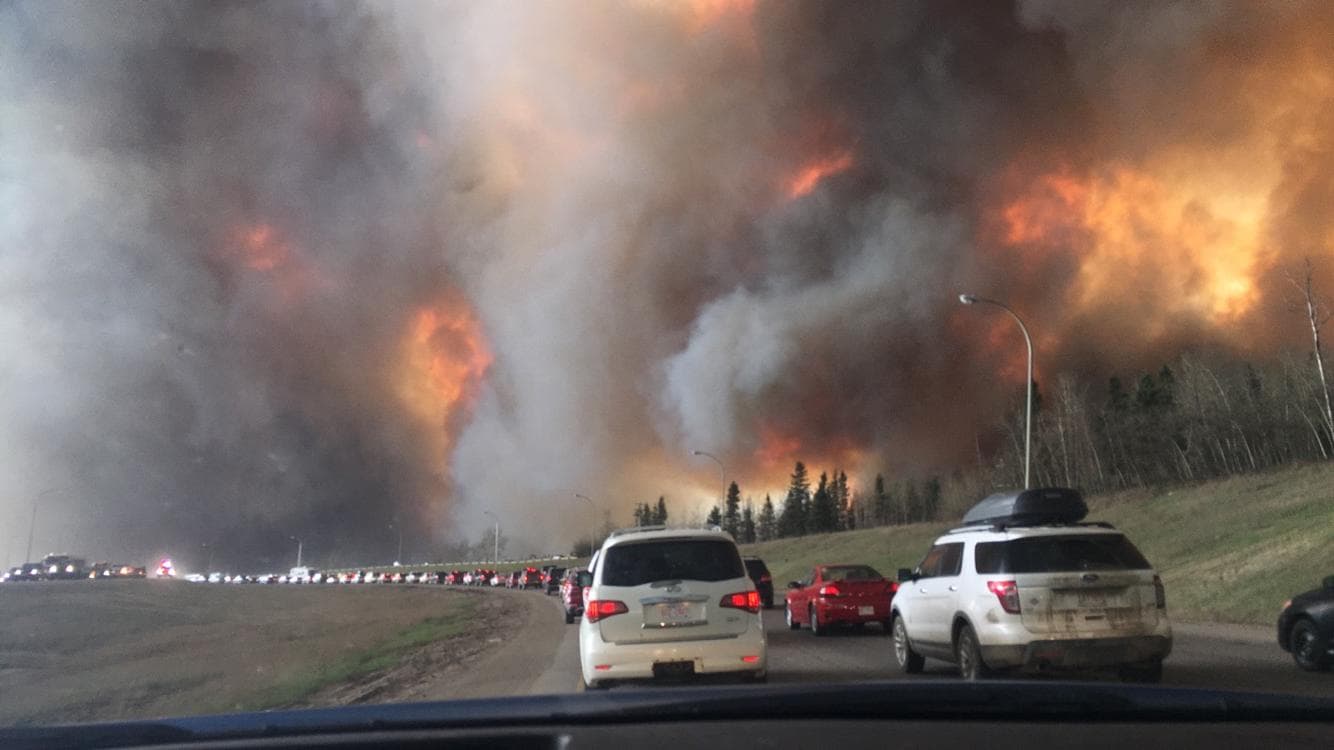
Canada is bracing for another difficult wildfire season as federal officials warned on Thursday, around May 28, 2026, that above-average conditions are forecast to persist into the summer. The early weeks of the season have already forced thousands of people from their homes, with more than 160 fires igniting across the country and states of emergency declared in Manitoba and Saskatchewan. Reports indicate that more than 33,000 people have been displaced, a sobering figure for a country still recovering from three consecutive years of severe burning.
Officials offered a measure of cautious reassurance alongside the warning. This year's level of burning is not expected to reach the extremes of 2023 or 2025, the worst and second-worst seasons on record. Even so, a federal wildfire forecast anticipates high risk for new fires across British Columbia, the Prairies and the Northwest Territories, a sweep of territory that includes many of the communities most exposed to the growing threat.
The early flashpoints have been concentrated in Manitoba, Ontario and Saskatchewan, where dry conditions and shifting weather have combined to drive rapid fire growth. Smoke from the blazes has already drifted south into the United States, degrading air quality, and reports say it has travelled as far as Europe, a reminder that the consequences of Canada's fire seasons now reach far beyond its borders.
For many Canadians, particularly those in northern and Indigenous communities, the season's early intensity has revived memories of recent years when entire towns were emptied and skies turned orange for weeks at a time. The question now is how the coming months will unfold, and whether emergency systems strained by repeated crises can meet the demands of yet another hard summer.
An above-average season ahead
The federal forecast paints a picture of elevated risk stretching across western and northern Canada. While officials have stopped short of predicting a record season, they have made clear that conditions are expected to remain above average, leaving wide areas vulnerable to new ignitions through the warmest months of the year.
The comparison to 2023 and 2025 is instructive. Those two seasons stand as the worst and second-worst on record, scorching vast areas, displacing large numbers of people and sending smoke across the continent. Officials have indicated that 2026 is not expected to match those extremes, a distinction that matters for planning even as it offers little comfort to communities already under threat.
The geography of risk is broad. British Columbia, the Prairies and the Northwest Territories all feature in the forecast as areas of high concern for new wildfires. These regions share characteristics that make them susceptible, including expansive forests, periods of dryness and weather patterns that can rapidly escalate small fires into major events.
Forecasts of this kind carry inherent uncertainty. Wildfire behaviour depends heavily on weather that can shift quickly, and a season that begins intensely can ease with rain, just as a quiet start can give way to dangerous conditions. Officials have framed the outlook as a basis for preparedness rather than a precise prediction, urging vigilance across the at-risk regions.
Evacuations across the Prairies
The most immediate consequences are being felt in the Prairies, where the season's early fires have prompted widespread evacuations. Manitoba and Saskatchewan have both declared states of emergency, a step that unlocks additional resources and authority to manage the crisis and to move people out of harm's way.
More than 160 fires have started the season, with the greatest concentration in Manitoba, Ontario and Saskatchewan. The fires have forced thousands to leave their homes, and reports indicate that the total number of people displaced has surpassed 33,000. Behind that figure are families uprooted from communities, many of them facing uncertainty about when they will be able to return.
Evacuations of this scale place enormous logistical demands on governments and emergency agencies. People must be transported, often over long distances, and housed in shelters or temporary accommodation. Medical needs, family separations and the care of elders and children all complicate the task, particularly when evacuations happen quickly and on a large scale.
The declaration of states of emergency in two provinces underscores the seriousness of the situation. Such declarations signal that the normal capacity of local responders has been exceeded and that broader coordination is required. With the season still young, officials and residents alike are watching anxiously to see whether the pace of evacuations will continue or ease in the weeks ahead.
Indigenous and northern communities bear the brunt
As in recent years, Indigenous and northern communities are among those most affected by the fires. Many First Nations are located in or near forested regions where wildfire risk is high, and they often face additional challenges during evacuations, including remoteness, limited road access and the disruption of being moved far from home.
The repeated displacement of these communities has prompted efforts to make evacuations less traumatic. Some First Nations are working to develop culturally safe evacuation spaces for displaced residents, recognising that being relocated to unfamiliar settings can compound the stress of leaving home. Such spaces aim to provide environments where evacuees can maintain community connections and cultural practices during difficult periods away.
The strain on these communities is cumulative. Having endured several severe fire years in a row, many have experienced repeated evacuations, with the disruption to schooling, work and daily life adding up over time. The toll is not only physical but also emotional, as residents confront the recurring threat to their homes and territories.
The focus on culturally safe spaces reflects a broader recognition that emergency response must account for the specific needs of the communities it serves. For Indigenous and northern residents who shoulder a disproportionate share of the burden, approaches that respect culture and community can make the experience of displacement more bearable, even if they cannot remove the underlying danger.
Smoke, air quality and health
The effects of the fires extend well beyond the immediate fire lines, carried on smoke that has spread across borders. Officials and reports indicate that smoke from the Canadian blazes has drifted into the United States, where it has affected air quality, and that it has reached as far as Europe, illustrating the long reach of the season's impact.
Wildfire smoke poses significant health risks. Fine particles in the smoke can penetrate deep into the lungs and aggravate respiratory and cardiovascular conditions, posing particular danger to children, the elderly and people with existing health problems. During periods of heavy smoke, public health authorities typically advise residents to limit outdoor activity and to take precautions to reduce exposure.
The drift of smoke into populated areas, including those far from the fires themselves, means that the season's effects are felt by many who are not directly threatened by flames. Hazy skies, reduced visibility and degraded air quality have become familiar features of recent Canadian summers, and the early spread of smoke this year suggests the pattern may continue.
For communities under evacuation and for those downwind, the combination of fire and smoke compounds the strain. Health systems must contend with the immediate dangers of the fires and the broader respiratory effects of poor air quality, adding another dimension to an already demanding response.
Strained resources and economic cost
Three consecutive severe fire years have placed sustained pressure on Canada's emergency resources. Firefighting crews, equipment and the systems that support evacuations have all been tested repeatedly, and the prospect of another above-average season raises questions about capacity and endurance heading into the summer.
The economic cost of wildfires is substantial and wide-ranging. Beyond the direct expense of fighting fires and managing evacuations, there are losses to property, infrastructure, forestry and tourism, as well as the broader disruption to communities and businesses forced to halt operations. Repeated severe seasons compound these costs, drawing on budgets and resources year after year.
The recurring nature of the crisis has prompted growing attention to the role of climate change. Scientists have linked warming temperatures and shifting weather patterns to conditions that can make wildfires more frequent and intense, and Canada's run of severe seasons has become a prominent example of those concerns. The pattern has fuelled calls for greater investment in prevention, preparedness and adaptation.
Strained resources also raise questions of coordination. Managing fires across multiple provinces and territories requires the sharing of crews and equipment, and in past years Canada has at times relied on assistance from abroad. As the season develops, the ability of jurisdictions to support one another will be an important factor in the overall response.
What's next for the summer
With the forecast pointing to above-average conditions through the summer, officials are urging continued preparedness across the regions identified as high risk. British Columbia, the Prairies and the Northwest Territories all remain areas of concern, and residents in those regions are likely to be watching weather and fire conditions closely in the weeks ahead.
Much will depend on the weather. Periods of rain could ease conditions and reduce the risk of new ignitions, while prolonged heat and dryness could intensify the season. Because wildfire behaviour can change rapidly, officials have stressed the importance of readiness, including evacuation planning, public alerts and the positioning of firefighting resources.
For the communities already affected, the immediate priority is the safety of evacuees and the eventual return home once conditions allow. The work of supporting displaced residents, including the development of culturally safe spaces for Indigenous evacuees, is expected to continue as the season unfolds. The cumulative strain of repeated displacement will remain a concern for the communities bearing the heaviest burden.
As Canada moves deeper into the summer, the season serves as another reminder of the country's growing exposure to wildfire. While officials hope this year will prove less extreme than the worst on record, the early evacuations and widespread risk underscore that the threat remains serious. How the coming months play out will depend on weather, resources and the resilience of communities that have already endured several hard years in a row.
Spotted an issue with this article?
Have something to say about this story?
Write a letter to the editor


Comments
Be the first to comment.