Alberta Formalizes October 19 Referendum Question on Its Future in Canada
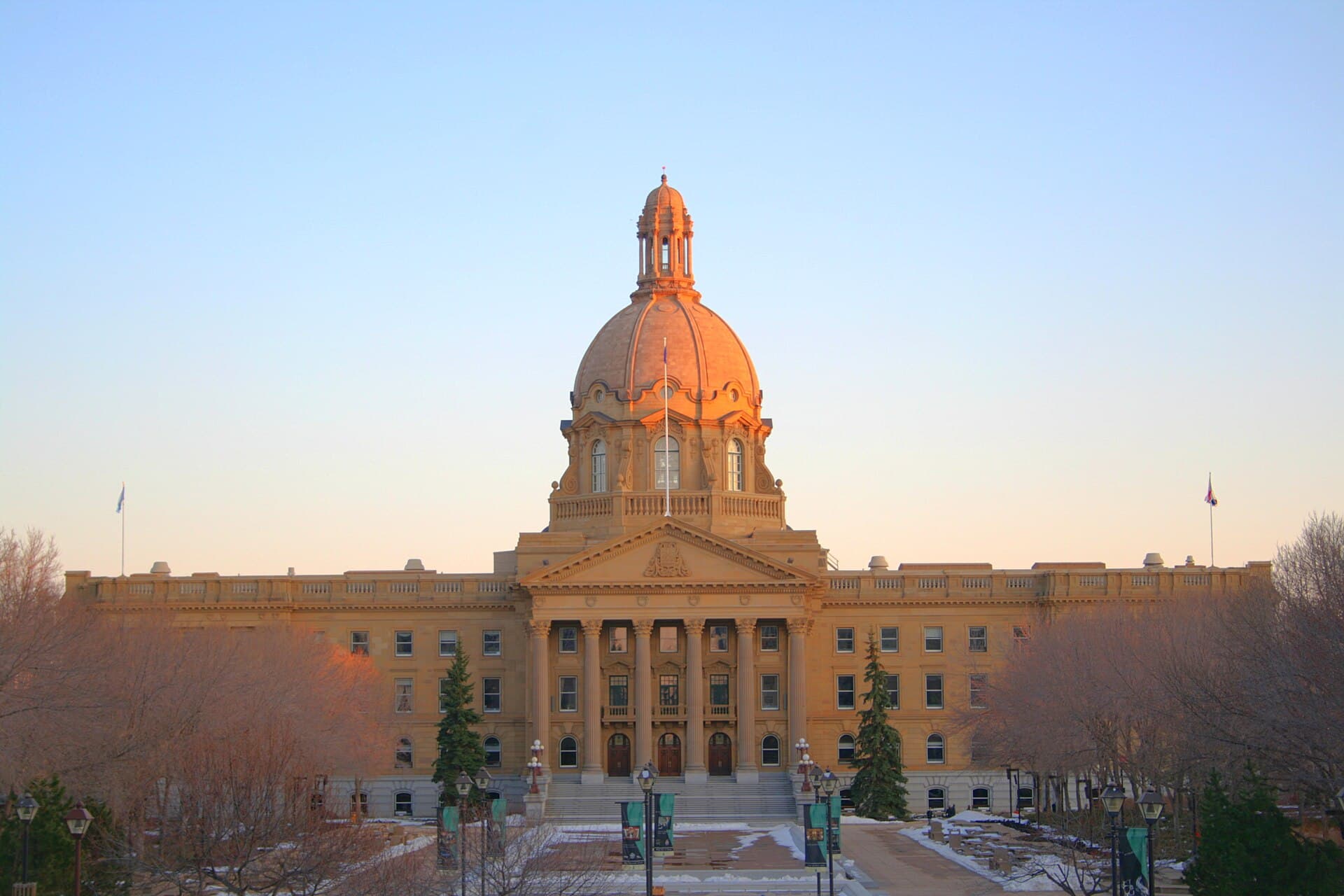
Premier Danielle Smith and her cabinet have formally set the stage for one of the most consequential votes in modern Alberta history, issuing an order in council in late May 2026 that confirms both the date and the exact wording of a referendum scheduled for October 19, 2026. The move turns weeks of speculation into a fixed timetable and gives Albertans a precise question to weigh over the summer and into the fall. The vote touches directly on the province's place within the Canadian federation, and it has already rippled well beyond Alberta's borders.
What the order in council does
The order in council, issued around May 28, locks in the referendum date and the precise language voters will see on the ballot. By moving the decision into a formal instrument of cabinet, the government has signalled that the vote is no longer a matter of political musing but a scheduled event with legal standing. Elections Alberta, the province's independent electoral authority, will now begin the substantial task of preparing to administer a province-wide ballot.
The formalisation follows an earlier announcement. Smith first set out the question on May 21, 2026, before the order in council fixed the wording and date a week later. That sequence, from announcement to formal order, has compressed a major constitutional debate into a tight stretch of the spring, leaving political parties, civil society groups and ordinary Albertans to absorb the implications quickly.
With the date set for October 19, the province now enters a defined campaign period during which the arguments on both sides will be aired. The timetable also gives Elections Alberta a clear runway to organise polling stations, ballots, scrutineers and the other machinery required to run a credible province-wide vote on a question of national significance.
The exact question on the ballot
Voters will be asked to choose between two options. The first reads: "Alberta should remain a province of Canada." The second reads: "The Government of Alberta should commence the legal process required under the Canadian Constitution to hold a binding provincial referendum on whether or not Alberta should separate from Canada." The precise wording matters enormously, because the two options are not mirror images of a simple stay-or-leave choice.
The first option is straightforward: a vote to keep Alberta within Canada as it is today. The second option is more layered. It does not ask voters whether Alberta should separate. Instead, it asks whether the provincial government should begin the legal steps, under the Canadian Constitution, that would be required before any future binding referendum on separation could even be held. In other words, it is a vote about starting a process, not a vote about the destination.
That distinction sits at the heart of how the referendum should be understood. The ballot is carefully framed around a procedural question rather than a final decision on the province's status. Supporters of the wording argue it reflects the constitutional reality that separation cannot happen through a single provincial vote, while critics contend the layered phrasing risks confusing voters about what they are actually being asked to endorse.
What a yes vote would and would not do
It is essential to be precise about the consequences of the October 19 vote, because it is easy to overstate them. The referendum is not binding. A majority in favour of the second option would not separate Alberta from Canada, would not approve separation, and would not by itself trigger any change to the province's constitutional status. What it would do is direct the provincial government to begin a legal process that could, at some later point, lead to a separate and binding referendum specifically on whether Alberta should leave.
In practical terms, that means October 19 is best understood as a vote about whether to start down a road, not a vote about reaching its end. Even a clear yes to the second option would leave many subsequent steps to be taken, each of which would carry its own legal and political hurdles. The constitutional path to any province leaving Canada is widely understood to be complex, involving questions that reach far beyond a single provincial ballot.
This is the single most important point of accuracy surrounding the vote. Observers have repeatedly stressed that conflating the October referendum with a decision to separate misrepresents what is on the ballot. The vote opens a door to a process; it does not walk through it. Any binding decision on separation would require a further, distinct referendum that has not been scheduled and that would itself face significant constitutional scrutiny.
How Albertans are responding
Public opinion, as captured in early polling, suggests considerable hesitation among Albertans about the path the government has chosen. Survey work by the Angus Reid Institute found that roughly three in five Albertans say they would vote to stay in Canada, indicating that a clear majority currently favours the first option on the ballot. That figure points to a province where the appetite for even beginning a separation process appears limited, at least for now.
The polling also surfaced confusion about the question itself. About half of respondents described the referendum question as "confusing," a finding that lends weight to concerns about the layered, procedural wording of the second option. When a significant share of the electorate struggles to interpret what a ballot is asking, the legitimacy and clarity of the eventual result can become contested, regardless of the outcome.
Beyond the substance of the question, the survey found that a majority of Albertans rate Smith's handling of the issue poorly. That assessment suggests the referendum is a politically risky undertaking for the premier, who must navigate a province where support for staying in Canada is strong, where the question is widely seen as unclear, and where her own management of the file draws criticism. The fall campaign will test whether those numbers shift as the arguments sharpen.
Echoes of Quebec and a national conversation
The Alberta debate inevitably invites comparison with Quebec, the province whose sovereignty referendums in 1980 and 1995 remain the defining reference points for questions of separation in Canada. Those votes, particularly the razor-thin result in 1995, left a deep imprint on the country's political memory and on the legal understanding of how a province might seek to leave. While the Alberta situation differs in important respects, the historical parallel frames much of the national conversation now under way.
The debate has not stayed contained within Alberta. It has spilled into Quebec, where members of the National Assembly have been pressed on whether they support or oppose a sovereignty path. That cross-provincial dynamic underscores how a referendum in one region can reactivate long-standing questions elsewhere, drawing politicians in other parts of the country into a discussion about unity, jurisdiction and the terms on which the federation holds together.
For a country that has lived through previous unity crises, the prospect of a fresh referendum on a province's future carries an unmistakable weight. Analysts have noted that even a non-binding vote can shape the national mood, harden positions and influence the broader relationship between regions and the federal government. The comparison to Quebec is imperfect, but it captures why the Alberta question resonates so widely.
Economic stakes and the federal response
Alberta's status as a major oil-producing province gives the referendum an economic dimension that cannot be separated from its constitutional one. The province sits at the centre of Canada's energy sector, and uncertainty about its political future can weigh on investment decisions, market confidence and the long planning horizons that resource projects require. The mere prospect of a drawn-out process toward a possible separation vote introduces a variable that businesses and investors must now factor into their thinking.
That economic backdrop is especially pointed given recent federal-provincial cooperation on energy. Ottawa and Alberta have been working together on major resource initiatives, and the referendum injects a note of political tension into a relationship that both governments have, on other files, sought to stabilise. How the unity question interacts with shared economic ambitions will be one of the storylines to watch as the fall approaches.
The federal government led by Prime Minister Mark Carney faces the delicate task of responding to a provincial referendum on national unity without inflaming it. Federal leaders have historically had to balance respect for provincial democratic processes against the imperative of defending the integrity of the federation. Observers expect Ottawa to tread carefully, emphasising the benefits of unity and the constitutional complexity of separation while avoiding rhetoric that could be cast as heavy-handed interference in Alberta's affairs.
What's next
The months between now and October 19 will be dominated by the referendum campaign. Both sides will work to define the question on their own terms: supporters of staying in Canada will stress the risks and uncertainties of beginning a separation process, while proponents of the second option will frame it as a legitimate assertion of Alberta's right to chart its own course. Given the polling that shows many voters find the question confusing, a significant share of the campaign is likely to be spent simply clarifying what a yes or no vote would actually mean.
Elections Alberta, meanwhile, will be occupied with the practical preparations required to run a credible province-wide vote. That includes finalising ballots, organising polling infrastructure, training staff and ensuring the process meets the standards expected of a referendum on a question of this magnitude. The independence and competence of that administration will be important to the perceived legitimacy of the outcome.
Throughout, the central caution will remain in force: whatever the result on October 19, the vote does not decide whether Alberta stays in or leaves Canada. At most, a yes to the second option would instruct the government to begin a legal process toward a future binding referendum, a process whose path and outcome are far from certain. As the campaign unfolds, the accuracy of how the vote is described, by politicians, commentators and citizens alike, may prove as consequential as the result itself.
Spotted an issue with this article?
Have something to say about this story?
Write a letter to the editor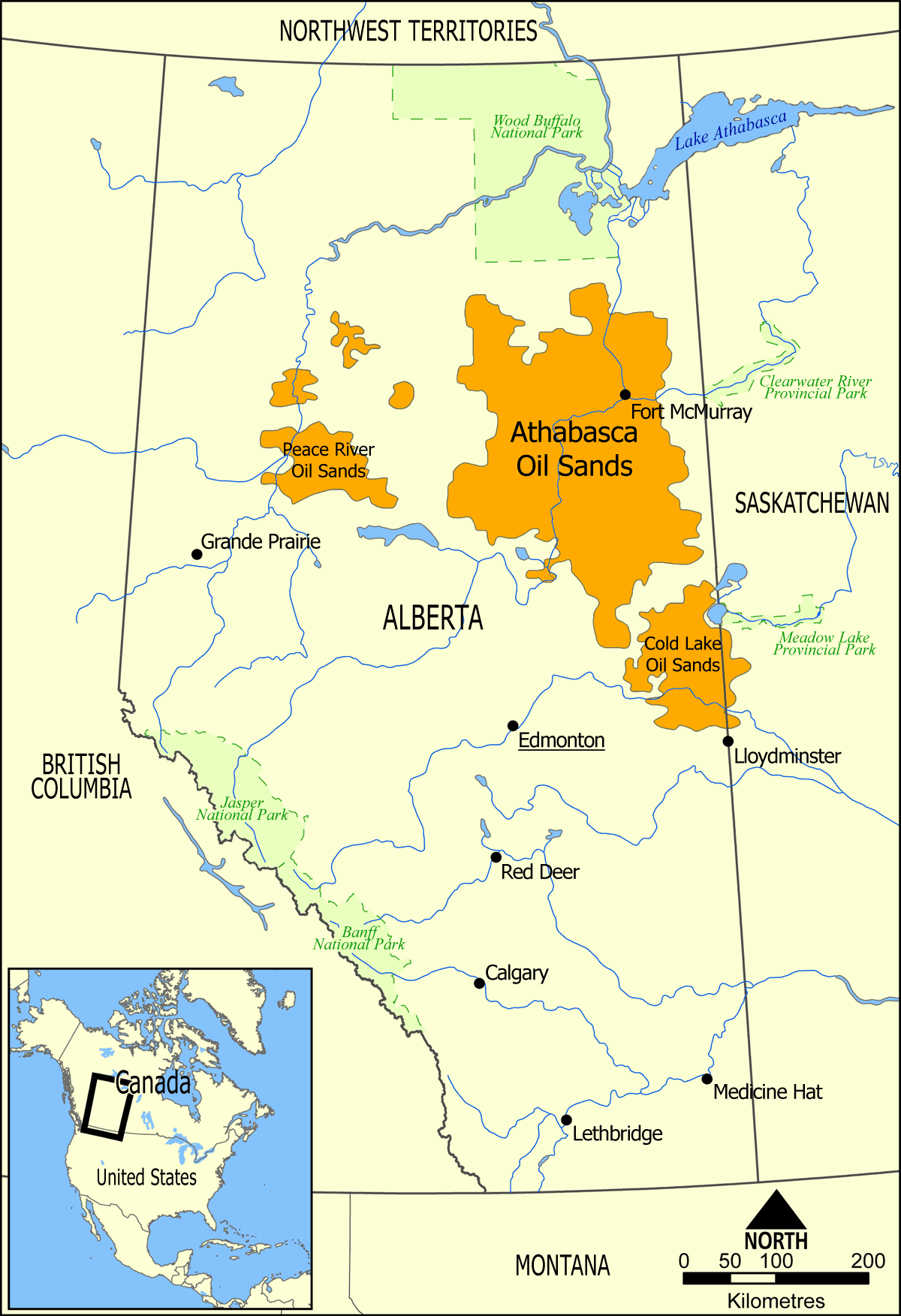



Comments
Be the first to comment.