Alberta Formalises 37-Word October Referendum Question on Separation From Canada
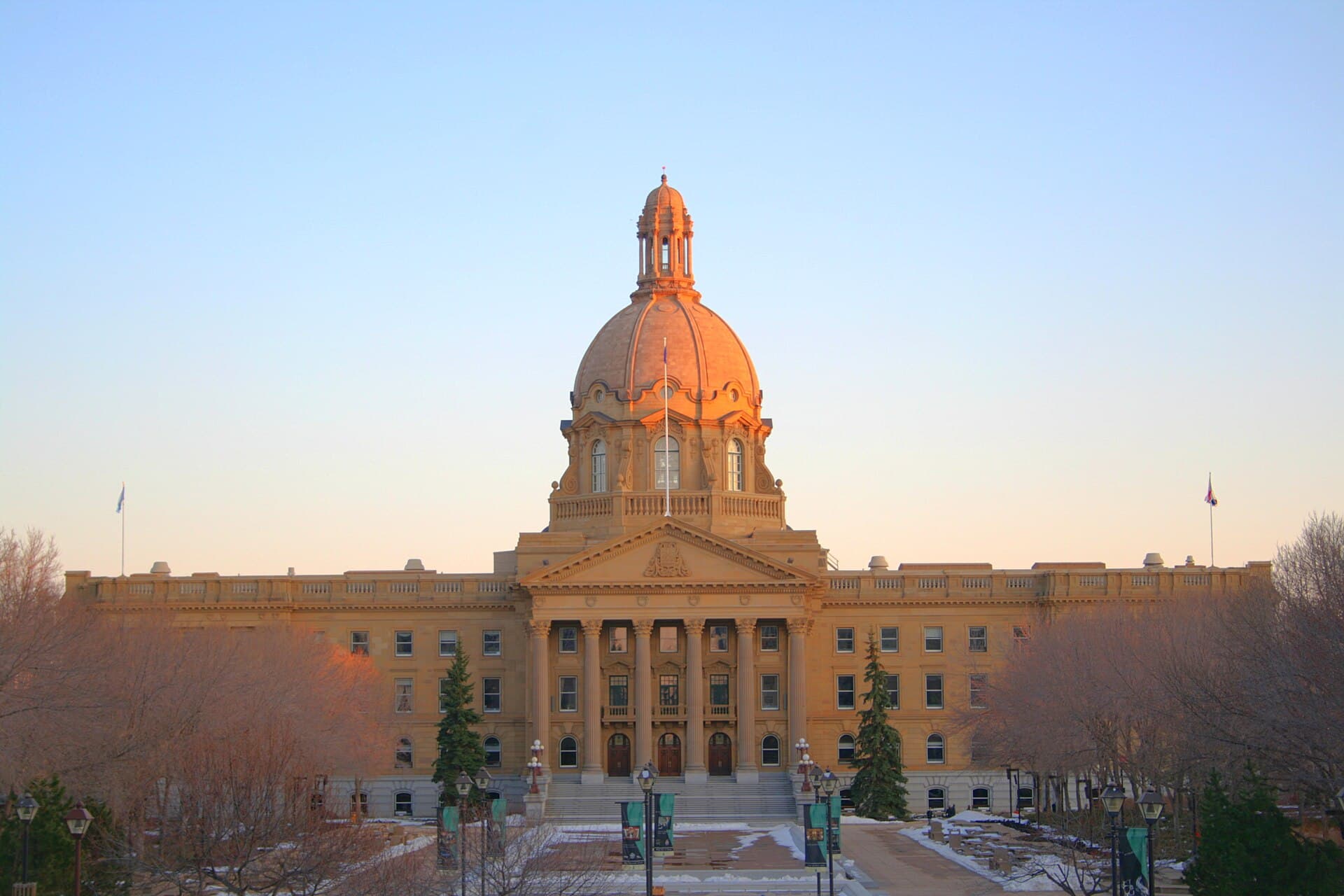
The Alberta government formalised the question voters will face in a province-wide referendum on October 19, finalising a thirty-seven-word ballot text that asks whether Albertans want the province to launch a legally binding referendum on separation from Canada or remain within the federation. The wording was confirmed in an order in council issued late on May 28, locking in months of debate over how to phrase one of the most consequential political questions in modern Alberta history.
The official question reads: should Alberta remain a province of Canada or should the Government of Alberta commence the legal process required under the Canadian Constitution to hold a binding provincial referendum on whether or not Alberta should separate from Canada. Premier Danielle Smith confirmed earlier in the week that the United Conservative Party government, caucus, and her personal preference remain with keeping Alberta in the federation, even as the party stops short of taking an official organisational stand.
The result of the October vote will not, on its own, separate Alberta from Canada. The referendum is a policy question, meaning the outcome is not legally binding on the provincial government. The threshold for a decisive answer is a simple majority of fifty per cent plus one. A Yes result would trigger a constitutional process that itself could take years to complete, while a No result would close the door for the foreseeable future.
How the question was formalised
The formalisation followed weeks of consultation, drafting, and revision. The original wording proposed by Smith in a televised address on May 21 was substantially the same as the final version, but provincial officials made small adjustments to align the question with the Election Act requirements and to ensure it would be legally enforceable.
The thirty-seven-word length has drawn criticism from political opponents and from polling organisations. A new Angus Reid Institute survey found that fifty-one per cent of Albertans described the question as confusing, with many respondents unable to articulate what exactly they were being asked to vote on. The polling firm noted that long, multi-clause referendum questions historically suppress turnout and produce lower-confidence results.
Smith has defended the wording, arguing that anything shorter would risk misrepresenting the actual choice voters face. The premier has said she wants the result of the October vote to settle the separation question definitively, in either direction, rather than open the door to further constitutional ambiguity.
Where Albertans stand
The same Angus Reid Institute poll found that sixty per cent of decided Alberta voters would vote No on the question, while thirty-five per cent would vote Yes, with the remainder undecided. The result represents a modest narrowing from polls earlier in the spring, when support for separation had spiked in the wake of repeated tariff escalations from the Trump administration and ongoing federal-provincial disputes over energy policy.
Support for separation is concentrated in rural Alberta, in oil and gas regions, and among older male voters. The Yes campaign has drawn strength from frustration with what its supporters describe as decades of federal policy decisions that they see as disproportionately harming Alberta's economy, particularly equalisation payments, environmental regulation, and the rejection of certain pipeline projects.
The No campaign, meanwhile, has built support in Edmonton, Calgary, and other urban centres, where polls consistently show a clear majority opposed to separation. Business groups, labour organisations, and most major civic institutions have lined up with the No side, citing risks to jobs, trade, currency, and constitutional rights.
The premier's balancing act
Smith's position has placed her at the centre of a delicate political balancing act. The premier has repeatedly said she personally supports remaining in Canada and intends to campaign for the No side. At the same time, she has refused to take the UCP into the No camp organisationally and has not asked her caucus members to commit one way or the other.
That posture reflects deep divisions within the UCP membership and the broader Alberta conservative coalition. Polls of party members show a significantly higher level of support for separation than is present in the general population, and Smith has been wary of alienating that base ahead of the next provincial election.
UCP president Rob Smith said earlier this week that the party would not take a position on the referendum, leaving individual candidates and members free to campaign as they wish. Some UCP backbenchers have publicly endorsed the Yes side, while others have aligned with the premier.
Opposition response
The Alberta NDP has been the most outspoken opponent of the referendum, arguing that even holding the vote sends a damaging signal to investors, trading partners, and other Canadians. The party has promised to vote No and has been campaigning for months on the economic and constitutional risks of separation.
NDP Leader Naheed Nenshi has called on Smith to take a clearer stand, arguing that the premier's refusal to put the UCP firmly in the No camp gives oxygen to a movement that polls show does not command majority support. Nenshi has also warned that a close result, even one that fails, could entrench separatist sentiment and complicate Alberta's relationship with Ottawa for years.
The Alberta Party, the Liberals, and several civil society groups have similarly aligned against the referendum question, with most committing to active No campaigns through the summer and fall.
Ottawa's response
The federal government in Ottawa has responded carefully, refusing to be drawn into provincial campaign rhetoric while reiterating that Prime Minister Mark Carney's government remains committed to a unified Canada and to constructive engagement with Alberta on issues ranging from energy policy to trade. Senior Liberals have privately expressed concern that high-profile federal involvement could backfire by feeding the separatist narrative.
The prime minister has met with Smith multiple times since taking office in April, including at a recent meeting in British Columbia. Federal officials have emphasised areas of common ground, including Arctic security, defence procurement, and major project approvals, while acknowledging deep disagreements on emissions and oil and gas policy.
The Conservative Party of Canada, under leader Pierre Poilievre, has condemned separation but pointed to grievances with the federal Liberal government as legitimate and unresolved. The party's official position is that Canada should remain united but that Ottawa must change course on energy and economic policy.
What a Yes vote would mean
Even a strong Yes result would not, by itself, change Alberta's constitutional status. Under Canadian constitutional law, a province cannot unilaterally secede, and the federal government would need to engage in extensive negotiations under the framework established by the Supreme Court's Quebec secession reference.
A binding separation referendum, if eventually held, would require a clear question and a clear majority. Even then, the negotiation process would have to address Indigenous treaty rights, the division of federal assets and debt, currency, borders, and citizenship. Constitutional scholars have repeatedly warned that the process could take a decade or more, with significant economic disruption throughout.
A Yes result on the October question would also impose costs in the short term. Investors would likely demand a risk premium on Alberta debt, businesses would reconsider expansion plans, and federal-provincial relations would enter a period of heightened tension.
The constitutional law backdrop
Canadian constitutional law makes provincial secession an extraordinarily difficult undertaking. The Supreme Court's 1998 Quebec secession reference established that a province cannot leave the federation unilaterally and that any negotiated departure would require a clear question, a clear majority, and good-faith negotiation with the federal government and other provinces. Those principles continue to apply directly to any future Alberta process.
Indigenous and treaty rights add another layer of complexity. Treaties 6, 7, and 8 cover the vast majority of Alberta's land base and create legal obligations between First Nations and the Crown that cannot simply be transferred to a new political entity. Treaty Six Chiefs in particular have indicated that they would oppose any process that did not place Indigenous consent at its centre.
The bar is therefore high not only for the upcoming October vote but for any binding referendum that might follow. Constitutional scholars have warned that even a clear Yes outcome on a future binding question would face years of legal and political negotiation, with significant economic costs at every stage.
Business and labour weigh in
Major Alberta employers, including representatives of the energy, agriculture, and financial services sectors, have publicly aligned with the No side or have signalled that any move toward separation would have severe consequences for investment, capital costs, and employment. Industry associations have argued that uncertainty alone, even before a vote takes place, is already producing observable effects on capital spending decisions.
Labour organisations representing public sector workers, building trades, and resource sector employees have similarly aligned against separation, arguing that severing Alberta from federal programs would expose workers to significant risks. The Alberta Federation of Labour has been particularly vocal, framing the referendum as a threat to pensions, employment standards, and union rights.
Polling has shown that business and labour messaging on the issue has been broadly persuasive with voters who are concerned about economic stability, even when those voters are critical of federal policy decisions on energy and emissions.
What's next
The campaign now formally begins, with the question locked in and Election Alberta preparing to administer the vote. Voters will go to the polls on Monday, October 19. Advance polls are expected to open earlier in the month, and mail-in ballots will be available for those unable to attend a polling station.
For the next four months, expect intense campaigning from both sides, polls released weekly, and a steady stream of high-profile interventions from business leaders, Indigenous nations, and former politicians. The result will shape Alberta's political trajectory for years, regardless of which side prevails.
Spotted an issue with this article?
Have something to say about this story?
Write a letter to the editor

Comments
Be the first to comment.