Carney and Smith Strike Energy Deal Linking a Pipeline to Carbon Pricing
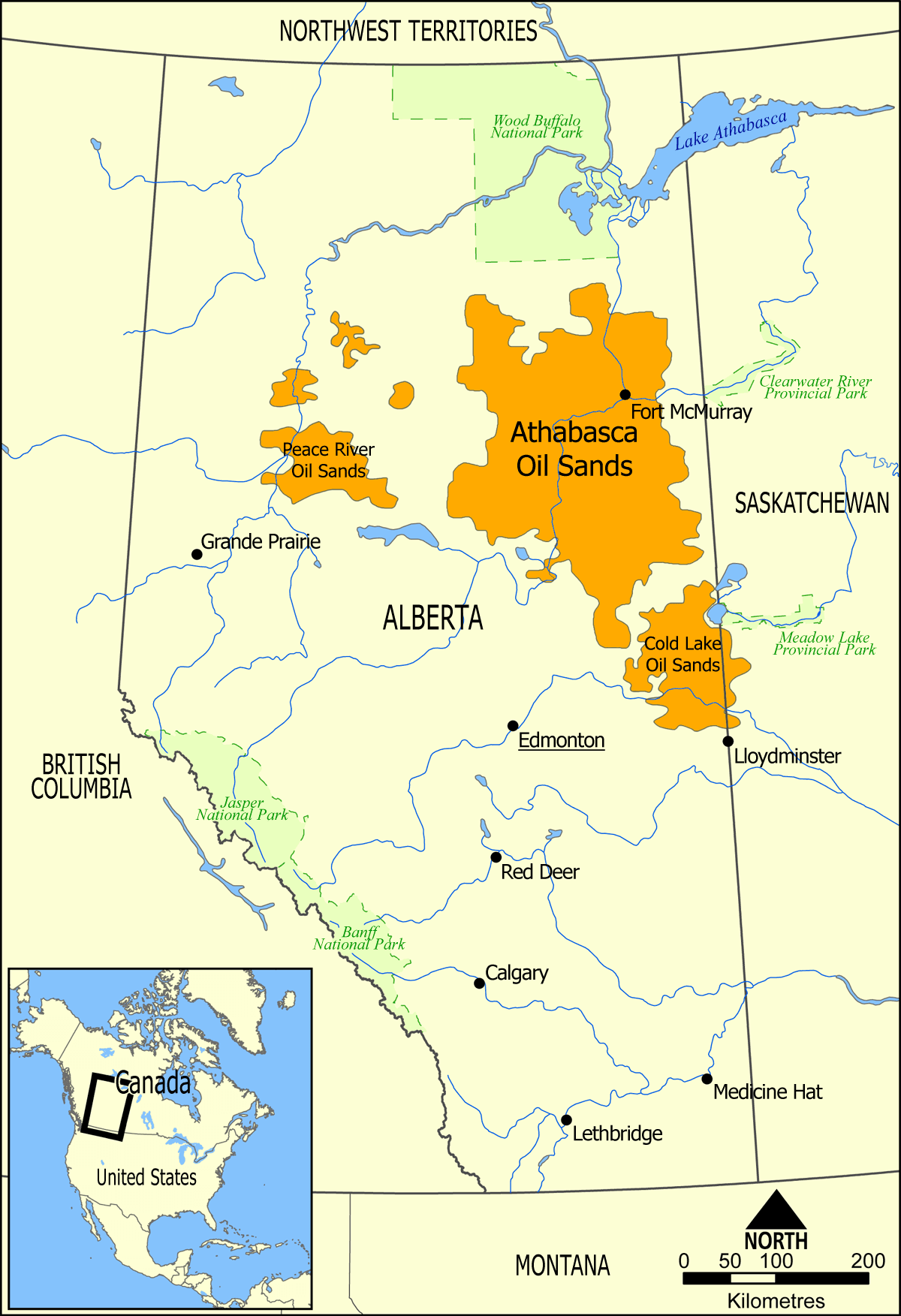
Prime Minister Mark Carney and Alberta Premier Danielle Smith announced an implementation agreement on May 15, 2026, that ties together two of the most contentious files in Canadian politics: a major new oil pipeline to the West Coast and a long-term path for carbon pricing. The deal puts flesh on the bones of the Canada-Alberta Memorandum of Understanding first signed in November 2025, and it represents an attempt to bridge the long-running divide between an oil-producing province seeking new markets and a federal government committed to climate policy.
The terms of the agreement
At the heart of the agreement is a commitment by both governments to advance a new West Coast pipeline capable of carrying up to one million barrels of bitumen per day to the British Columbia coast. From there, the diluted bitumen would be loaded for export to markets in Asia, opening a route that supporters argue would reduce Alberta's heavy dependence on the single American market that currently absorbs the bulk of its oil exports. The scale envisaged is substantial, placing the project among the largest pieces of energy infrastructure proposed in the country in years.
The deal sets out a clear sequence of milestones. Alberta is to submit a formal project proposal to the federal Major Projects Office by July 1, 2026. The federal government, in turn, is to pursue designation of the pipeline as a project of national interest by October 1, 2026, a status intended to streamline review and signal high-level political backing. If those steps proceed on schedule, construction could begin as early as September 2027, with commercial operation targeted for around 2033.
The pairing of a pipeline with a carbon-pricing framework is the agreement's defining feature. Rather than treating the two as opposing priorities, the deal links them, allowing each government to point to something it values: market access and economic growth for Alberta, and a durable climate mechanism for Ottawa. Whether that linkage holds under the strain of competing constituencies is one of the central questions the agreement raises.
A long road to the coast
The timeline underscores how long major energy infrastructure takes to move from announcement to operation. Even under the accelerated schedule the two governments have set out, the earliest realistic start for construction is more than a year away, and commercial operation would not arrive until the early 2030s. That extended horizon means the project must survive multiple political cycles, regulatory hurdles and shifts in market conditions before a single barrel flows.
The Major Projects Office submission due by July 1 is the first concrete test. It will translate the political commitment into a formal proposal that can be assessed on its engineering, environmental and economic merits. The subsequent push for a national-interest designation by October 1 is designed to lend the project momentum and a measure of federal protection, though designations of that kind have historically drawn legal and political challenges from opponents.
Analysts have noted that pipelines of this magnitude routinely encounter delays, cost overruns and litigation, and that announced timelines often slip. The 2033 operation date should therefore be read as a target rather than a guarantee. Much will depend on how smoothly the regulatory process unfolds and on whether the political consensus behind the project endures.
The carbon-pricing bargain
On the climate side of the ledger, the two governments agreed to an effective carbon price of $130 per tonne by 2040. That destination is to be reached through staged benchmarks: an effective price of $115 by 2030 and $130 by 2035, with the headline price rising to $140 per tonne by 2040. The framework also establishes a price floor, set at $60 beginning in 2030 and rising to $110 by 2040, intended to provide a degree of predictability for businesses planning long-term investments.
A long-dated carbon-pricing schedule of this kind is significant because it offers certainty in an area that has been subject to repeated political upheaval. Carbon pricing has been one of the most divisive issues in recent Canadian politics, and the willingness of both Ottawa and Alberta to commit to a multi-decade trajectory marks a notable shift. For industry, a known price path stretching to 2040 makes it easier to evaluate the economics of emissions-reduction projects and cleaner technologies.
The structure of the bargain reflects a trade-off. Alberta secures movement on the pipeline it has long sought, while accepting a rising price on carbon. Ottawa accepts a major fossil-fuel project, while locking in a climate mechanism that extends well into the future. Observers expect the durability of that trade-off to be tested as the carbon price climbs and as the economic and political winds shift over the years the schedule covers.
Carney's energy framing
The agreement fits within a broader argument Carney has advanced about Canada's place in global energy markets. The prime minister has framed the world as facing an energy crisis that Canada must help solve by supplying its natural resources. That framing casts a new export pipeline not as a contradiction of climate goals but as part of Canada's contribution to global energy security, positioning the country as a stable supplier in an uncertain world.
This argument seeks to reconcile two imperatives that have often been treated as irreconcilable in Canadian debate: developing the country's resource wealth and meeting climate commitments. By coupling the pipeline with a firm carbon-pricing path, the government can present the deal as evidence that growth and climate policy can advance together rather than at each other's expense.
Critics are likely to question whether expanding bitumen exports is compatible with longer-term emissions goals, and supporters will point to the carbon framework as the answer. The tension between those positions is not new, but the agreement forces it into sharper focus by making both elements explicit and binding them in a single deal.
Coastal, Indigenous and environmental scrutiny
A pipeline to the British Columbia coast inevitably runs into a complex landscape of environmental and Indigenous considerations. The route faces scrutiny over its potential effects on land, waterways and coastal ecosystems, and over the risks associated with moving and shipping large volumes of bitumen. Coastal communities have historically raised concerns about marine traffic and the possibility of spills, and those concerns can be expected to feature prominently as the project advances.
First Nations whose territories and traditional lands lie along or near the proposed route hold a central role in any project of this kind. The duty to consult, and questions of consent, free, prior and informed participation, and benefit-sharing, have shaped the fate of previous pipeline proposals in the province. Reports indicate the project will face significant Indigenous scrutiny, and the agreement's success may hinge in part on how those relationships are managed. The specific positions of individual nations along the route will become clearer as the proposal takes shape.
British Columbia's own stance adds another layer. The province has at times been at odds with Alberta and Ottawa over coastal pipeline projects, and its environmental priorities and jurisdictional interests will form part of the broader negotiation. How these coastal, Indigenous and provincial dimensions are reconciled will be among the most closely watched aspects of the project's path forward.
National unity and the Alberta dimension
The deal carries a national-unity dimension that extends well beyond energy economics. It arrives at a time of heightened tension between Alberta and the rest of the country, with debates in the province over its place in the federation running hot. An agreement that delivers a long-sought pipeline can be read as an effort by Ottawa to demonstrate that the federation can respond to Alberta's economic aspirations, potentially easing some of the grievance that has fuelled provincial discontent.
For Carney, securing a working relationship with Smith on a file as charged as energy is itself politically significant. Cooperation between a Liberal federal government and a conservative Alberta premier on a pipeline and carbon pricing is not a given, and the agreement signals a degree of pragmatism on both sides. Whether it translates into a broader détente between the province and the federal government remains to be seen.
The climate trade-offs embedded in the deal will continue to generate debate. Environmental advocates may view the pipeline as a step in the wrong direction, while resource-sector proponents may welcome the market access and view the carbon path as a manageable cost. The agreement attempts to hold those competing interests in a single frame, and its political durability will depend on whether that balance can be sustained.
What's next
The immediate milestone is July 1, 2026, the deadline for Alberta to submit its project proposal to the federal Major Projects Office. That submission will mark the transition from political commitment to formal process and will give regulators, communities and observers their first detailed look at what is being proposed. The quality and reception of that proposal will set the tone for everything that follows.
The next marker is October 1, 2026, the federal government's target for pursuing a national-interest designation for the pipeline. Achieving that designation would represent a major procedural and political endorsement, though it is likely to draw scrutiny and possible challenges from those opposed to the project. The gap between the July proposal and the October designation target will be a period of intense assessment and lobbying.
Beyond those dates, attention will turn to the regulatory review, consultations with First Nations, the response of British Columbia and coastal communities, and the steady implementation of the carbon-pricing benchmarks beginning later in the decade. With construction not expected before September 2027 and operation targeted for around 2033, the agreement sets in motion a process that will unfold over many years, and its ultimate fate will be decided not by the announcement but by how each of these stages is navigated.
Spotted an issue with this article?
Have something to say about this story?
Write a letter to the editor

Comments
Be the first to comment.