Federal Oil and Gas Emissions Cap Takes Effect as Operators Meet First Registration Deadline
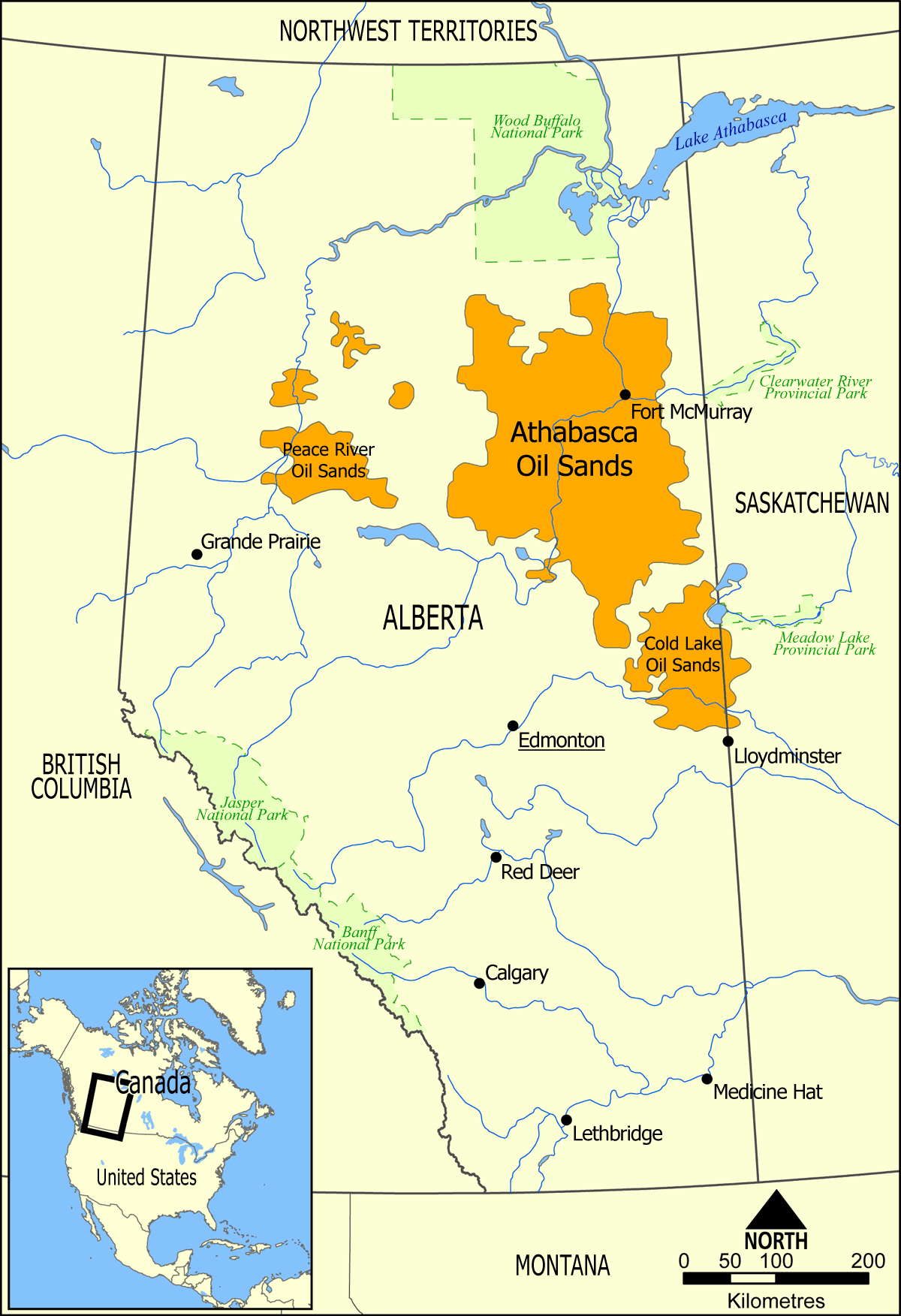
Canada's federal oil and gas emissions cap has formally taken effect, with the country's largest upstream operators meeting their first registration and reporting obligations in late April under regulations finalised earlier this year. The framework, the first sector-specific emissions regulation of its kind in Canadian climate policy, requires the country's largest oil and gas producers to limit their combined sector emissions to a level set as a percentage reduction from a 2019 baseline, with operators able to comply through a combination of direct emissions reductions, the use of compliance units, and access to a limited price-protection mechanism.
What the regulation requires
The federal oil and gas emissions cap establishes a sector-wide emissions ceiling that declines over time, with major producers required to register, to report their emissions according to standardised protocols, and to demonstrate compliance through a combination of operational reductions and the use of compliance instruments. The cap applies to upstream conventional and oil sands production and to gas processing, with downstream refining and other sectors not directly covered.
The federal Department of Environment and Climate Change has indicated that the registration deadline was met by the operators required to participate, with the regulator now reviewing the registration data and preparing for the first compliance assessment cycle. Operators that fail to meet the cap requirements face administrative monetary penalties, with the framework structured to provide flexibility for compliance through multiple pathways while ensuring that the overall sector emissions trajectory is achieved.
The cap has been designed to align with Canada's broader 2030 emissions reduction commitment under the Paris Agreement and to support the longer-term path toward the country's 2050 net-zero objective. The federal government has framed the regulation as a necessary complement to broader carbon pricing, methane reduction regulations, and other climate policy instruments.
Industry response
The Canadian Association of Petroleum Producers and individual major producers have expressed continuing concerns about the cap's design and about the cumulative regulatory burden facing the sector. Industry representatives have argued that the cap risks constraining production and investment in ways that affect both economic activity and energy security, particularly given the broader political environment in which the second Trump administration's tariff regime has produced additional pressure on the sector.
Major producers have nevertheless completed the registration and reporting requirements and are working through their internal compliance strategies. Several producers have publicly emphasised investments in carbon capture and storage, in methane reduction, in process electrification, and in energy efficiency that are intended to support compliance with the cap while preserving operational flexibility.
The Pathways Alliance, which represents the major oil sands producers and which has been advancing a major carbon capture and storage proposal, has emphasised the importance of federal and provincial cost-sharing for the proposed infrastructure as a key part of any sector-wide compliance strategy. The proposal has been the subject of significant negotiation between the federal and Alberta governments and remains in development.
Provincial reactions
The Alberta government has been the most vocal opponent of the federal cap. Premier Danielle Smith has called the cap an unconstitutional intrusion into provincial jurisdiction over natural resources and has signalled intent to challenge the regulation in court. The province has also pursued political opposition through public statements, intergovernmental representations, and engagement with industry stakeholders.
The Alberta government's broader political posture toward Ottawa has been combative across multiple files, including the carbon pricing system, the federal Impact Assessment Act, the proposed federal electricity regulations, and the oil and gas emissions cap. The province has indicated that the cap will be a particular focus of its constitutional and political pushback.
The Saskatchewan government has been similarly critical of the federal cap, with Premier Scott Moe joining the Alberta posture on most aspects of the file. British Columbia and the territorial governments have been less directly affected by the cap given their different sectoral profiles, although British Columbia's natural gas production is included in the regulatory scope.
The federal government has indicated its intention to defend the cap against any constitutional challenge and has emphasised that the regulation is structured within federal jurisdiction over emissions and that it is consistent with the federal government's responsibility to set national climate policy.
The Carney government's posture
The Carney government has continued to support the cap as a core element of federal climate policy, although the political handling of the file has been somewhat different from that of the previous government. Prime Minister Mark Carney, with his background as a senior figure in international climate finance and as a former central banker who has emphasised the integration of climate considerations into economic decision-making, has framed the cap as a necessary instrument of Canadian climate ambition rather than as a punitive measure aimed at the sector.
The federal government has continued to emphasise the role of carbon capture and storage, of methane reduction, and of broader energy transition investments as ways for the sector to deliver on the cap's objectives while maintaining production and investment levels. The Canada Strong Fund, the new sovereign wealth vehicle launched this week, has been positioned as one of the federal financing tools that may be available to support major decarbonisation projects in the sector.
Federal officials have engaged extensively with major producers, with provincial governments, and with Indigenous communities affected by the regulation. The continuing engagement reflects a federal recognition that the cap's effective implementation depends on the operational realities of the sector and on the broader political environment in which the regulation operates.
Indigenous perspectives
Indigenous governments and organisations have offered varied perspectives on the cap. Some Indigenous communities have economic stakes in oil and gas production through equity arrangements, employment, and benefit agreements with operators. Other Indigenous communities have opposed the sector's development and have called for more aggressive emissions reduction measures.
The Indigenous Climate Hub, which represents Indigenous voices in federal climate policy discussions, has emphasised that effective climate action must be paired with respect for Indigenous rights and with meaningful Indigenous participation in policy design. The federal cap's interaction with Indigenous-owned and Indigenous-partnered oil and gas operations has been a continuing topic of consultation.
The First Nations LNG Alliance and other Indigenous economic organisations involved in the energy sector have engaged with the federal government on the cap's implementation, with particular attention to the implications for Indigenous-led project development. The continuing dialogue reflects the broader complexity of reconciling climate policy with Indigenous economic development priorities.
Environmental and climate community reactions
Environmental organisations have generally welcomed the cap's formal implementation while expressing continuing concerns about the rigour of the framework. Several major Canadian environmental groups, including Environmental Defence, the Pembina Institute, and the David Suzuki Foundation, have emphasised that the cap's effectiveness depends on the rigorous enforcement of the limits and on resistance to industry pressure for accommodations that would weaken the framework.
The climate research community has been broadly supportive of sector-specific emissions caps as a complement to broader carbon pricing, with the argument being that the oil and gas sector's emissions profile and the political constraints on carbon pricing levels make sector-specific regulation a necessary additional tool. Independent emissions modelling has suggested that effective implementation of the cap is consistent with broader Canadian climate objectives.
The trade union community in the energy sector has been more mixed, with some unions emphasising worker protection during the transition and others expressing concerns about the cap's implications for employment levels in the sector. Just transition planning has been a continuing area of federal-provincial-union dialogue.
What it means for Canadians
For Canadians watching the broader trajectory of climate policy, the cap's formal implementation represents a significant moment in Canadian climate regulation. The country has moved from broad carbon pricing into sector-specific regulation in one of its largest emissions sectors. Whether the cap delivers the intended emissions reductions while supporting an orderly transition for workers, communities, and the broader economy remains to be tested over the years ahead.
For households, the direct effects of the cap are indirect. Households do not pay the cap directly, although energy prices may be influenced over time by sector dynamics that the cap shapes. Heating and transportation costs, which are influenced more directly by carbon pricing and by global oil markets, will continue to reflect those broader market and policy conditions.
For workers in the energy sector, the cap is one element of a broader transition that has been the subject of significant federal investment in just transition programmes. The Carney government's spring economic update included additional funding for sectoral transition supports, although the levels of investment continue to be debated by stakeholders.
What's next
The first compliance assessment cycle under the cap will run over the coming months, with the regulator producing initial reports on sector emissions and on operator compliance. The Alberta constitutional challenge, if it is filed, will move into the court process. Industry continued investment in decarbonisation projects will be the most important factor in long-term compliance trajectories.
The federal government is also continuing to develop additional climate policy instruments, including expanded methane regulations, electricity sector regulations, and supports for industrial decarbonisation. The cumulative effect of these instruments, working together, is intended to produce the emissions reductions Canada has committed to under its 2030 and 2050 targets.
For Canadians, the cap is a significant new piece of climate regulation in a sector that has been at the centre of Canadian climate policy discussions for two decades. The conversations about how it works, about whether it is enforced rigorously, and about what it means for the broader Canadian economy will continue across the years ahead.
Spotted an issue with this article?
Have something to say about this story?
Write a letter to the editor