Trans Mountain Pipeline Runs Near Full Capacity as Asian Demand for Canadian Crude Surges
The Trans Mountain Expansion pipeline is operating near full capacity, with growing demand from Asian refiners pulling Canadian crude oil through the line and across the Pacific at volumes that have validated much of the commercial case made for the project during its prolonged construction. The pattern, which has emerged over the past several months, has shifted the conversation about Canadian oil exports from whether the expanded line was needed to whether the country needs additional westbound pipeline capacity to handle further demand growth, a question that revives political and Indigenous opposition that has shaped Canadian pipeline politics for the past two decades.
What the operating data show
The expanded Trans Mountain system, which roughly tripled capacity from the original line's 300,000 barrels per day to 890,000 barrels per day, has been running at utilisation levels close to its full nameplate capacity since the start of 2026. The line's operations to the Westridge Marine Terminal at Burnaby, British Columbia, have been close to continuous, with tanker loadings averaging more than four large vessels per week through the spring.
The destination mix has tilted heavily toward Asian markets. China, India, South Korea, and Japan have all taken meaningful volumes, with several Chinese refiners emerging as among the most consistent buyers. The trans-Pacific shipping route has shortened delivery times relative to alternatives that previously moved Canadian crude through the United States Gulf Coast and beyond, and the pricing differential between Western Canadian Select crude and the international benchmark has narrowed materially.
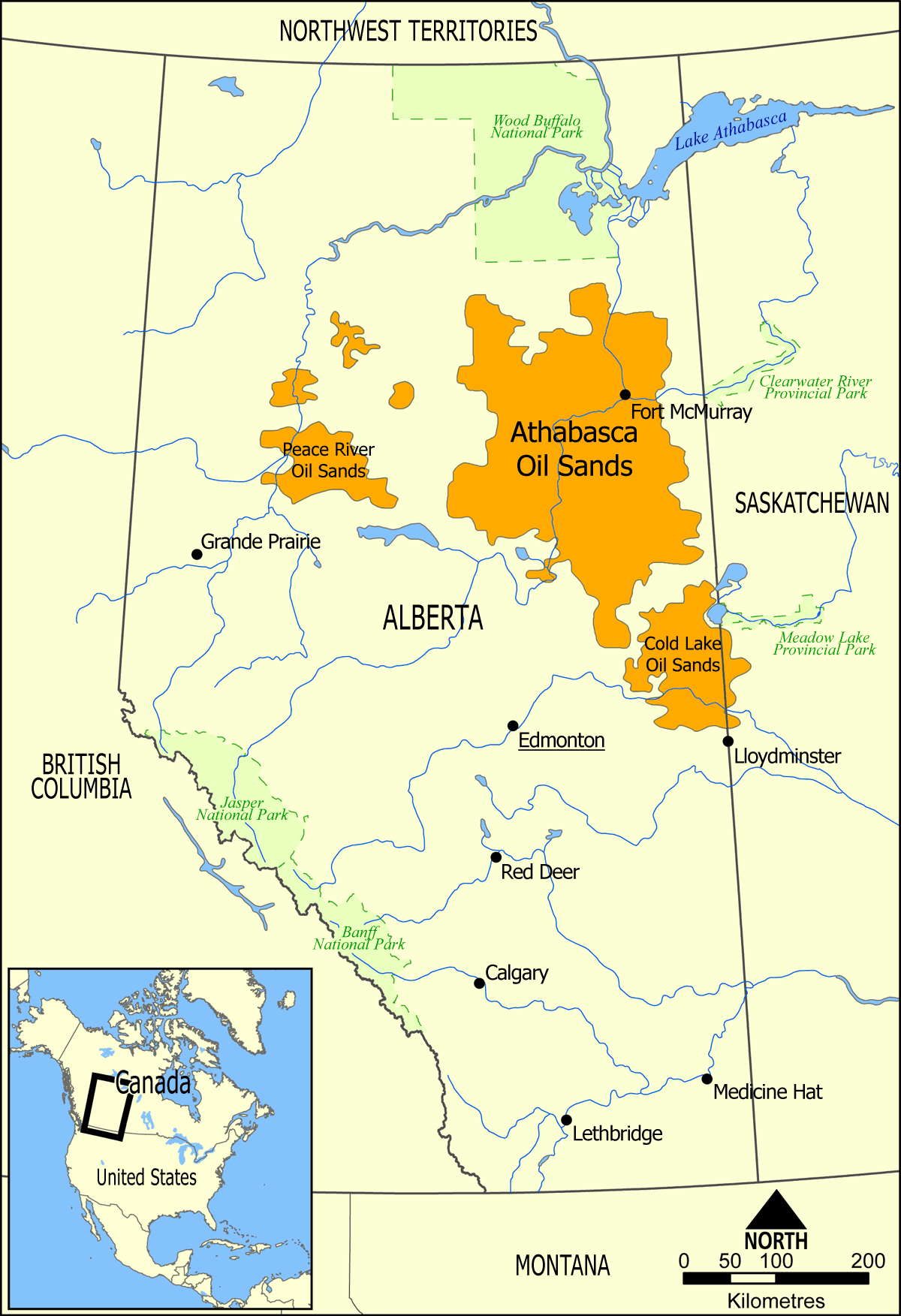
The narrowing of the differential has had direct implications for the economics of Canadian oil production. Producers in Alberta, Saskatchewan, and northeastern British Columbia are receiving prices closer to international benchmarks than at any point since the original Trans Mountain Expansion was first proposed, and provincial royalty revenues have benefited accordingly.
Why Asian demand is rising
The acceleration of Asian demand for Canadian crude reflects several converging factors. Refining capacity in China and India has continued to expand, while indigenous oil production in those countries has been less able to keep pace. American shale supply, which has historically been the marginal source of light tight oil for Asian markets, has plateaued. Middle Eastern supply has been disrupted by the conflict between Israel and Iran and by ongoing instability around the Strait of Hormuz.
Canadian heavy crude is well-suited to many Asian refining configurations. The complex coking and hydrotreating capacity built across the past two decades in China and India was specifically designed for processing heavy and medium crudes, and Canadian heavy oil meets that processing profile efficiently. The transit time from Burnaby to major Asian refining hubs is competitive with shipments from the Middle East, and shorter than shipments from the United States Gulf Coast.
The geopolitical calculus has also tilted in favour of Canadian supply. Asian importers are increasingly looking for diversification away from Middle Eastern suppliers and away from American supply that may be subject to political conditions imposed by the second Trump administration. Canadian crude, with its established commercial track record and its absence of political conditions on export, is filling that diversification need.
What it means for Canadian producers
For Alberta and Saskatchewan oil producers, the Trans Mountain throughput pattern is the most positive demand-side development in over a decade. The narrowing of the Western Canadian Select differential to the international benchmark has translated directly into stronger upstream cash flow, and producers have begun signalling renewed capital spending intentions in the oil sands and in conventional western Canadian basins.
The pattern has also produced a renewed conversation about pipeline capacity. Several major Canadian oil producers and Alberta political leaders have called for additional westbound or northern-routed pipeline capacity to support continued production growth. Premier Danielle Smith has been particularly vocal, calling for federal facilitation of new pipeline corridors as a national economic priority.
The federal government has been more cautious. The Carney government has indicated openness to additional pipeline capacity in principle, particularly through the Canada Strong Fund, but has emphasised that any new pipeline project would need to meet the legal and political bar of free, prior, and informed consent under the United Nations Declaration on the Rights of Indigenous Peoples Act, in addition to environmental review and regulatory approval.
Indigenous reactions
Indigenous reactions to the renewed pipeline conversation have been mixed and reflect the complex politics that have surrounded Canadian oil pipelines for two decades. Some First Nations along the existing Trans Mountain corridor have benefited from agreements signed during the construction period, including direct economic participation arrangements, employment commitments, and infrastructure investments in their communities.
Other First Nations have continued to oppose the original Trans Mountain Expansion and would oppose any further pipeline expansion in the same geographic area. The Tsleil-Waututh Nation in particular has been a longtime opponent of the project on the basis of the Burrard Inlet's cultural and ecological significance to the Nation.
The Coastal First Nations and several British Columbia interior First Nations, who have historically opposed proposals for northern-routed pipelines including the cancelled Northern Gateway project, have indicated they would oppose any revival of similar proposals through their territories. The federal Bill C-48, which prohibits oil tanker traffic above a certain volume threshold along the northern British Columbia coast, has remained in place and represents a significant barrier to certain northern pipeline routes.
The Assembly of First Nations has emphasised that any future pipeline conversation must be Nation-led rather than imposed by federal or provincial governments, and that economic participation, environmental protection, and cultural preservation must all be central to any project proposal. AFN National Chief Cindy Woodhouse Nepinak has indicated that First Nations are prepared to support specific projects under specific conditions, and to oppose other projects under other conditions.
Environmental considerations
Environmental groups have warned against allowing the strong commercial performance of the Trans Mountain Expansion to drive further fossil fuel infrastructure expansion. Several major Canadian environmental organisations, including Environmental Defence, the Pembina Institute, and the David Suzuki Foundation, have called for federal policy to focus on managed decline of oil sector emissions rather than on supporting expansion of upstream production.
The Carney government's federal oil and gas emissions cap, which has continued to be developed in partnership with the major producing provinces, is intended to constrain emissions from the sector even as production continues. The cap's specific targets and enforcement mechanisms remain the subject of ongoing federal-provincial negotiation.
The British Columbia government has indicated that it is monitoring the broader pipeline conversation closely and that any future pipeline through the province would need to meet the province's environmental and Indigenous consent standards, in addition to federal requirements. Premier David Eby has not committed the province to either supporting or opposing any specific future project.
The market context
The strong commercial performance of the existing Trans Mountain Expansion comes against a global oil market that has been in a period of significant volatility. Brent crude prices have averaged near ninety United States dollars per barrel through the second quarter of 2026, with significant pressure from Middle Eastern instability and from continued OPEC supply discipline. The Bank of Canada's April Monetary Policy Report has cited oil price strength as a primary factor in the upward revision of Canadian inflation forecasts.
Canadian oil producers have benefited from the price environment but have also faced cost pressures from labour, materials, and regulatory compliance. The combination has produced strong cash flows for the major producers and has allowed several to accelerate share buyback and dividend programmes, although capital expenditure on new production has been more measured than in past cycles of high prices.
What's next
The Trans Mountain Corporation, the Crown-owned operator of the line, is expected to publish its quarterly operations report in the coming weeks, which will provide formal confirmation of the operating utilisation pattern observed in the spring. The federal government's strategic review of the corporation's long-term ownership structure is also expected to conclude later this year.
The broader political conversation about Canadian pipeline capacity will continue. The Carney government's Canada Strong Fund has the potential to invest in pipeline infrastructure but has not committed to any specific projects. Provincial governments, particularly in Alberta, are likely to continue pressing for federal facilitation of additional capacity. Indigenous and environmental opposition will continue to shape what proposals can realistically advance.
For Canadians watching the broader trajectory of the energy economy, the Trans Mountain story is a reminder that the country's energy infrastructure decisions are simultaneously economic, environmental, and political, and that the conversation about what comes next will be shaped by all three dimensions in ways that will play out across multiple years.
Spotted an issue with this article?
Have something to say about this story?
Write a letter to the editorRelated Stories
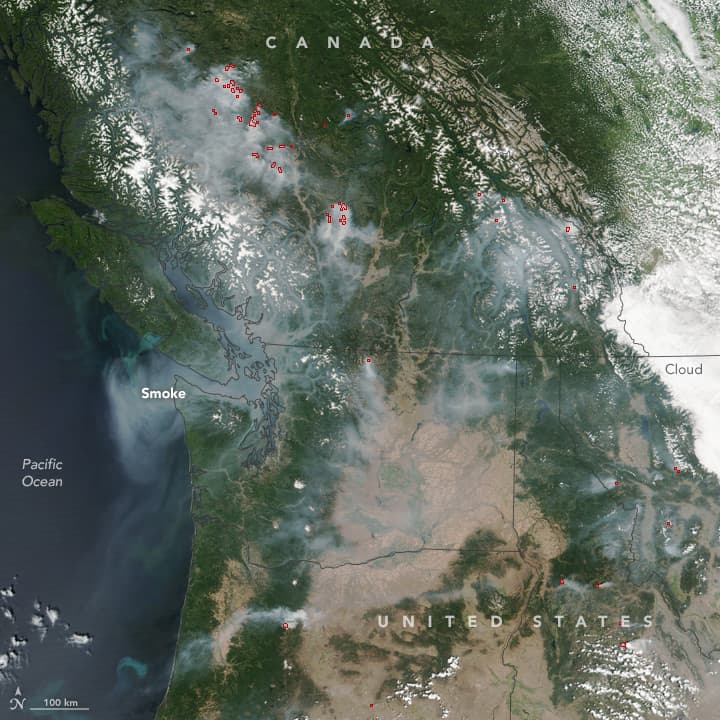
BC Wildfire Service Warns of Elevated Risk as 2026 Season Opens With Dry Soils and Above-Normal Forecast
8h ago

Spring Economic Update Restores Federal EV Rebate and Expands Carbon Capture Investment Credit
8h ago