Spring Economic Update Restores Federal EV Rebate and Expands Carbon Capture Investment Credit
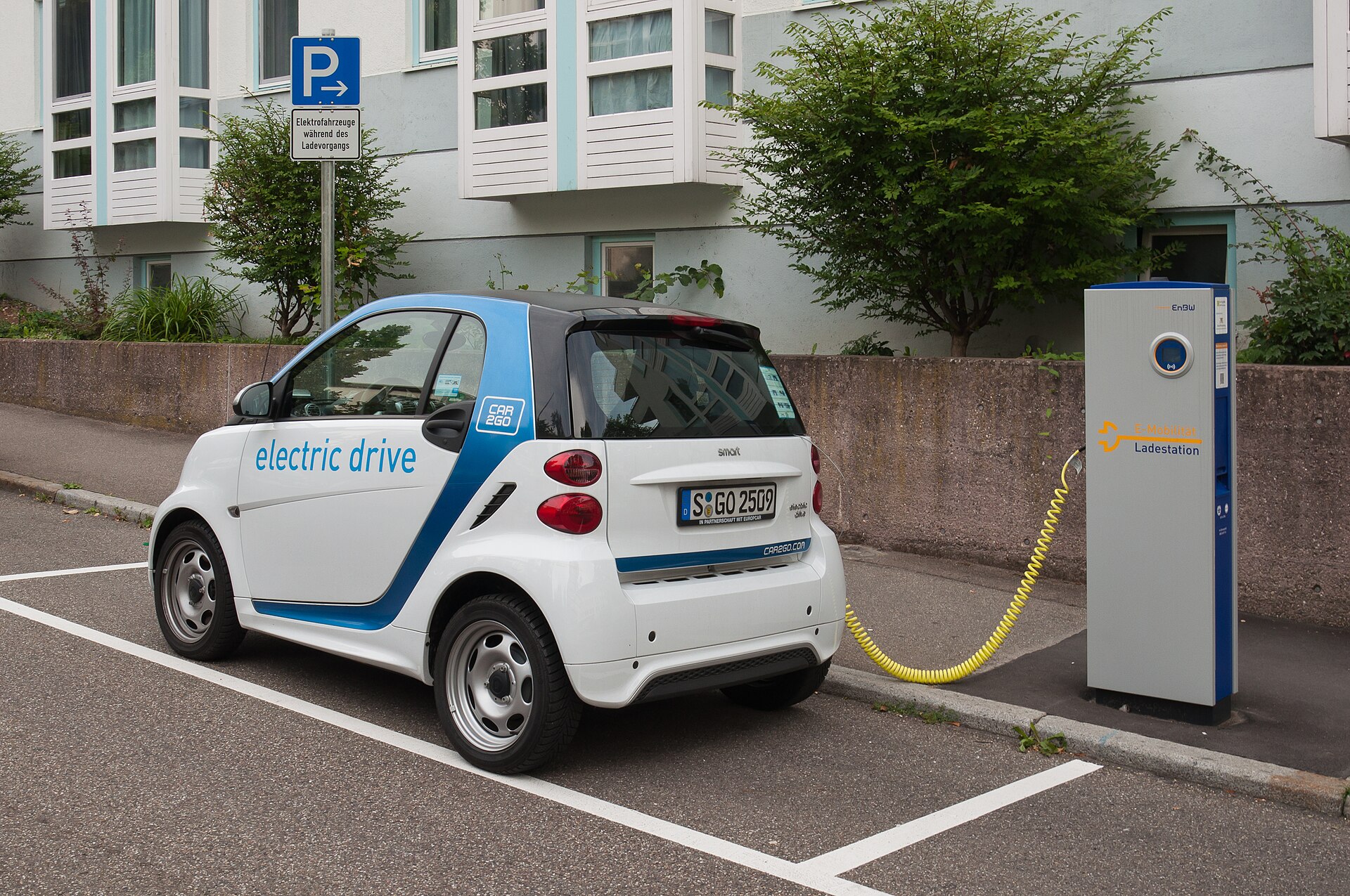
The federal spring economic update tabled this week includes the restoration of the federal Incentives for Zero-Emission Vehicles programme alongside an expansion of the Carbon Capture, Utilisation and Storage Investment Tax Credit, two measures that together represent the most significant federal climate policy adjustments in the spring fiscal package and that have received broadly positive reactions from industry, environmental advocates, and provincial governments. The reinstated EV rebate, which had been allowed to lapse in early 2025 after the original programme exhausted its funding, will resume providing point-of-sale rebates to Canadian consumers purchasing eligible zero-emission vehicles, while the expanded carbon capture credit is intended to accelerate large-scale industrial decarbonisation projects that have been awaiting more favourable federal support.
What the EV rebate provides
The reinstated Incentives for Zero-Emission Vehicles programme will provide federal rebates of up to five thousand dollars for the purchase or lease of eligible new battery-electric vehicles, plug-in hybrid electric vehicles, and hydrogen fuel cell vehicles. Rebates of up to twenty-five hundred dollars will be available for shorter-range plug-in hybrid vehicles. The programme is structured similarly to the original programme that operated from 2019 through early 2025, with point-of-sale rebates applied at the time of purchase rather than as a tax credit claimed at year-end.
The programme will operate alongside the various provincial EV rebate programmes that have been in operation in Quebec, British Columbia, and other provinces. Stacking of federal and provincial rebates will be available where provincial programmes permit, with combined rebate values reaching up to ten thousand dollars in some jurisdictions.
The federal Department of Transport will administer the programme, with applications processed through participating dealerships. The eligibility list of qualifying vehicles will be maintained and updated by the Department, with vehicles required to meet specifications including a minimum electric driving range, a price cap on the manufacturer's suggested retail price, and other technical requirements.
Why the rebate was reinstated
The original Incentives for Zero-Emission Vehicles programme exhausted its allocated funding in early 2025, with the Trudeau government having not renewed the programme before the federal election. The Carney government's spring economic update represents the formal reinstatement of the programme, although with adjustments reflecting the evolving market and policy environment.
EV sales in Canada slowed measurably during 2025 after the federal rebate lapsed, although several provincial programmes continued to provide partial support. The combination of higher financing costs, continuing trade pressure on the broader auto industry, and the absence of federal incentives produced market conditions that limited consumer adoption. EV sales as a share of total Canadian vehicle sales fell from a recent peak above thirteen per cent in 2024 to the eight to ten per cent range across most of 2025.
The Carney government has framed the reinstatement as a recognition that federal support is required to support the continuing transition to zero-emission vehicles in the Canadian market. The federal mandate for one hundred per cent zero-emission new vehicle sales by 2035 remains in effect, although the trajectory toward that target has slowed measurably in the absence of federal incentives.
What the carbon capture credit provides
The Carbon Capture, Utilisation and Storage Investment Tax Credit, which was first introduced in the 2022 federal budget and which has been the subject of continuing refinement, has been expanded in the spring economic update with higher credit rates for certain project categories, expanded eligibility for storage and utilisation projects, and longer credit availability windows.
The expanded credit is structured to provide tax support for the construction and operation of carbon capture infrastructure across industrial sectors including oil and gas, electricity generation, cement, steel, and chemicals. The credit covers a percentage of eligible project costs and is intended to make commercial-scale projects financially viable in cases where they would otherwise face uncompetitive economics.
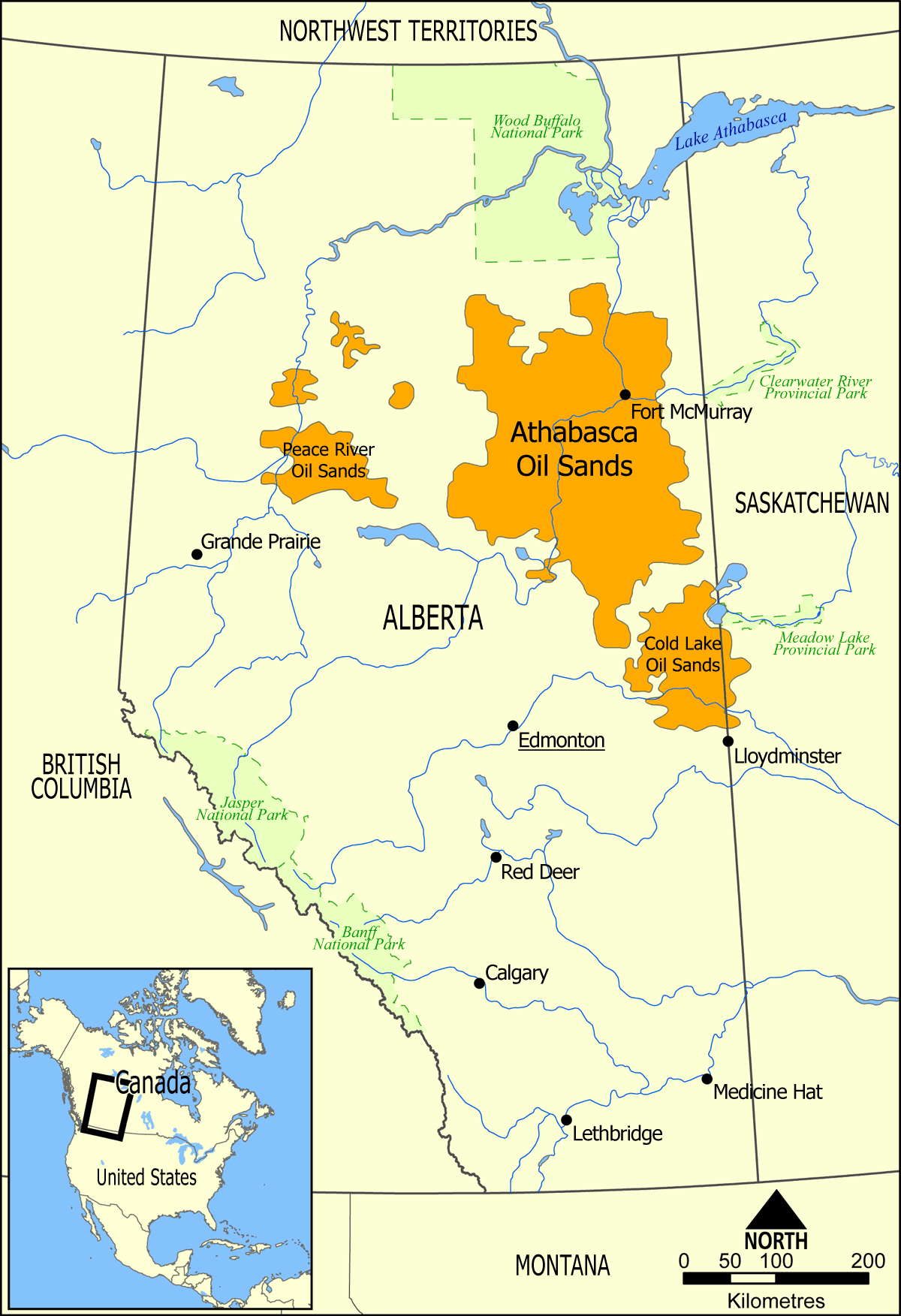
The expansion is intended to support the financial close of major carbon capture projects that have been in development for several years, including the Pathways Alliance proposal in the Alberta oil sands, several proposed cement and steel sector projects, and electricity sector projects in jurisdictions including Saskatchewan. The federal investment is expected to leverage substantial private and provincial investment in the same projects.
Industry reaction
The auto industry has welcomed the EV rebate restoration. The Canadian Vehicle Manufacturers' Association and individual original equipment manufacturers have been calling for federal action since the previous programme lapsed. Honda, Stellantis, Volkswagen, and other manufacturers with significant Canadian operations have been waiting for clearer federal policy signals before committing to additional Canadian investment in EV production capacity.
The oil and gas industry has welcomed the carbon capture credit expansion. The Pathways Alliance has been pursuing federal and provincial cost-sharing arrangements for its proposed major project for several years, and the credit expansion represents progress toward the financial framework required to advance the project. Other industrial sector participants have similarly welcomed the credit expansion as supporting the financial viability of decarbonisation projects across multiple sectors.
Environmental organisations have offered mixed reactions. Several major Canadian environmental groups have welcomed the EV rebate restoration as a necessary measure to support the broader transition. Some have been more sceptical of the carbon capture credit expansion, arguing that the federal investment risks subsidising oil and gas sector emissions reductions that should be the responsibility of the operators themselves. The Pembina Institute, the David Suzuki Foundation, and Environmental Defence have all engaged on the policy and have offered nuanced analyses of the various measures.
Provincial reactions
Quebec has welcomed both measures, with the province's existing EV programmes complementing the federal restoration and the carbon capture credit supporting potential industrial projects in Quebec's manufacturing sector. Premier Christine Frechette's government has indicated continued support for the federal-provincial collaboration on climate policy.
British Columbia has similarly welcomed the EV rebate restoration. The province has been a leader in EV adoption among Canadian jurisdictions, with one of the highest per-capita EV sales rates in the country. The federal programme is expected to support continued strong adoption in the province.
Alberta has offered a mixed response. The province welcomed the carbon capture credit expansion, given its potential to advance the Pathways Alliance project and other Alberta-based projects, while continuing to oppose the broader federal climate policy framework including the oil and gas emissions cap. Premier Danielle Smith has been emphasising the carbon capture investment as evidence that emissions reductions can be achieved without the cap, although the federal government has continued to argue that the cap and the credit are complementary rather than alternative measures.
Saskatchewan has welcomed the carbon capture credit expansion as supportive of provincial sector projects. Manitoba and Ontario have offered measured support for both measures. The Atlantic provinces have been broadly supportive while emphasising the need for federal-provincial coordination on the implementation of the various climate measures.
The wider climate policy package
The EV rebate restoration and the carbon capture credit expansion are two elements of a broader federal climate policy package that includes the federal carbon pricing system, the federal oil and gas emissions cap, methane regulations, electricity sector regulations under development, and various sectoral support programmes. The cumulative effect of the package is intended to deliver Canada's 2030 emissions reduction commitment under the Paris Agreement and to support the longer-term path to the 2050 net-zero objective.
The Carney government's broader climate policy framing has emphasised the integration of climate considerations into economic decision-making and the alignment of public investment with climate objectives. The Canada Strong Fund, the new sovereign wealth vehicle launched this week, is positioned as a financing tool that can support major climate-aligned projects, including potential investments in critical minerals processing, electricity transmission, and clean energy infrastructure.
What it means for Canadians
For Canadian consumers considering the purchase of a zero-emission vehicle, the federal rebate restoration represents a significant change in the financial calculus. Combined federal and provincial rebates can reduce the effective cost of an eligible vehicle by ten thousand dollars or more in jurisdictions with provincial rebate programmes, materially improving the value proposition relative to comparable internal combustion vehicles.
For Canadian workers in the auto sector, the rebate restoration is expected to support continued investment in EV production capacity in Canada. Major auto manufacturers have indicated they consider federal incentive policy in their long-term investment decisions, and the reinstatement is consistent with continued Canadian production of EVs alongside the expansion of the broader EV manufacturing supply chain.
For Canadian taxpayers, the cost of the various measures is significant. The EV rebate is funded through federal appropriations, with the costs spread across the years of programme operation. The carbon capture credit reduces federal tax revenue by the value of credits claimed by project proponents. The combined fiscal cost of the climate policy package is one of the more visible elements of the federal budget across the coming years.
What's next
The EV rebate programme is expected to begin operating within weeks of the spring economic update being implemented through subsequent budget legislation. The Department of Transport is preparing the operational mechanics of the programme, including the eligible vehicle list and the dealership administration process.
The carbon capture credit expansion will be implemented through tax legislation, with project proponents able to claim the expanded credit on eligible expenditures. Several major projects are expected to advance to financial close in the coming months as the credit framework supports the underlying economics.
For Canadians watching the broader climate policy trajectory, the spring measures represent meaningful continued progress on the federal climate agenda. Whether the cumulative federal package, paired with provincial measures and with private sector decisions, can deliver the emissions reductions required to meet Canadian commitments remains the central question of Canadian climate policy across the years ahead.
Spotted an issue with this article?
Have something to say about this story?
Write a letter to the editor