Gaza Ceasefire Falters Amid Warnings of a Permanently Divided Territory
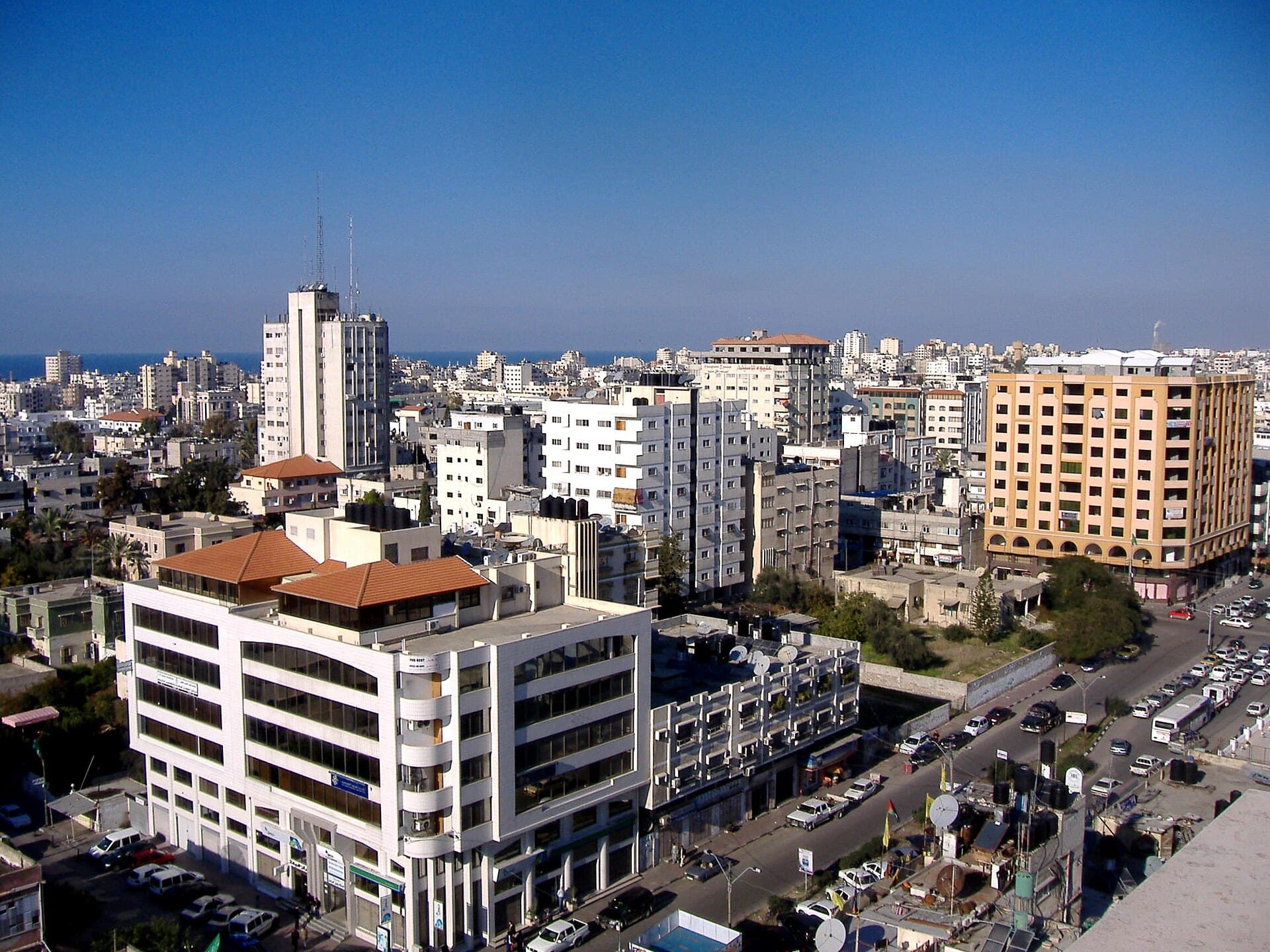
The fragile ceasefire that took effect in Gaza last October is faltering, with negotiations stalled over repeated Israeli airstrikes and an unresolved dispute about the disarmament of Hamas. Months after the truce was meant to mark a turning point, the fighting has not stopped, and an official overseeing the agreement has warned that a failure to advance it could leave the territory permanently divided. For Canada, with its large Jewish, Palestinian and Arab communities, the deteriorating situation carries deep resonance at home as well as abroad.
The warnings come amid mounting casualties and a sense that the diplomatic framework underpinning the truce is unravelling. The conflict, which has already reshaped the politics of the Middle East, continues to generate ripples far beyond the region, including in Canada, where the war has fuelled protests, community tensions and concerns about both antisemitism and Islamophobia. The latest developments threaten to deepen those divisions even as Ottawa calls for humanitarian access and a durable peace.
A ceasefire in name only
The ceasefire that began in October was supposed to halt hostilities and open the way to a longer-term settlement. Instead, the truce has been undercut by what observers describe as near-daily Israeli airstrikes, which have continued despite the formal agreement. According to the Palestinian Health Ministry, more than 850 people have been killed since the ceasefire began, a toll that underscores how far the reality on the ground has diverged from the promise of a halt to the fighting.
The persistence of violence has corroded confidence in the agreement. Each strike raises questions about whether the ceasefire exists in any meaningful sense, and the steady accumulation of casualties, as reported by the Palestinian Health Ministry, has made it harder for negotiators to build the trust needed to move toward a more durable arrangement. The gap between the language of the truce and conditions in Gaza has become impossible to ignore.
At the heart of the impasse lies the question of Hamas disarmament. Disputes over whether and how the group should give up its weapons have stalled progress, with the issue touching directly on the security concerns that drove the conflict and on the political future of the territory. Without resolution on that point, the path beyond the current stalemate remains blocked.
The combination of continued strikes and a frozen negotiating track has left the ceasefire in a precarious state, neither fully collapsed nor genuinely holding. That ambiguity has become its own source of danger, prolonging the suffering of civilians while leaving the prospects for a lasting settlement deeply uncertain.
Strikes that have raised the stakes
Two recent strikes have sharpened concerns about the trajectory of the conflict. On May 26, 2026, an Israeli strike on the Tel al-Sultan displacement camp in Rafah killed at least 45 people, reportedly including senior Hamas officials. The attack on a site sheltering displaced Palestinians drew attention to the human cost of the continued military operations and to the precarious conditions facing civilians in the territory.
The Rafah strike followed an earlier high-profile attack. On May 15, 2026, an Israeli strike killed the Hamas leader in the Gaza Strip, Izz al-Din al-Haddad, removing a central figure in the group's leadership. The killing underscored Israel's continued targeting of senior Hamas figures even amid the nominal ceasefire, and it raised questions about how the group would respond and whether the loss of leadership would harden or soften its positions.
Strikes of this kind complicate the diplomacy. Targeting senior officials may advance Israel's stated security objectives, but it also inflames tensions and makes negotiations more fraught, particularly when civilian casualties accompany the operations. The reported deaths at Tel al-Sultan, which included both civilians and, according to reports, senior Hamas figures, illustrate how intertwined the military and political dimensions of the conflict have become.
For displaced Palestinians, the strikes reinforce a sense of profound vulnerability. With large numbers sheltering in camps and makeshift accommodations, the continued military activity leaves civilians exposed and deepens the humanitarian emergency that the ceasefire was supposed to ease.
A warning of permanent division
The official overseeing implementation of the United States-brokered ceasefire, Nikolay Mladenov, has issued a stark warning about the consequences of failure. He cautioned that a failure to advance the agreement would create what he described as a dangerous status quo and risk leaving Gaza permanently divided, a prospect that would leave about two million Palestinians without a viable future.
That warning reflects fears that the longer the impasse persists, the more entrenched the division of the territory could become. Israel has reportedly said it will not withdraw from the so-called yellow line inside Gaza, a position that, if maintained, would leave parts of the territory under continued Israeli control and complicate any vision of a unified, self-governing Gaza. The standoff over that line has become emblematic of the broader deadlock.
A permanently divided Gaza would carry profound humanitarian and political implications. For the roughly two million Palestinians living in the territory, it would mean continued uncertainty about governance, security and the basic conditions of daily life, with little prospect of reconstruction or stability. The warning frames the stakes not merely as a stalled negotiation but as a potential turning point toward a lasting and damaging division.
The reference to a dangerous status quo captures the risk that the current limbo, neither war nor peace, could harden into a permanent reality. Such an outcome would entrench the suffering of civilians and foreclose the possibility of the durable settlement that the ceasefire was meant to enable.
Why the conflict matters in Canada
The war in Gaza is not only a foreign-policy issue for Canada but a domestic one. The country is home to large Jewish, Palestinian and Arab communities, and the conflict has driven significant tensions within Canadian society. Protests have become a regular feature of public life, and the war has heightened concerns about both antisemitism and Islamophobia, with community members on multiple sides reporting fear and a sense of vulnerability.
Those domestic dynamics place the government in a difficult position. Canada has, in broad terms, called for humanitarian access and a durable ceasefire, and it has contributed humanitarian aid to address the suffering in Gaza. Balancing these positions against the strong and divergent views held within Canadian communities has been a persistent challenge, and the deterioration of the ceasefire risks further inflaming an already charged environment at home.
The human toll reported by the Palestinian Health Ministry, the strikes on displacement camps and the warnings of permanent division all reverberate within Canadian communities that follow the conflict closely. For many Canadians with family or cultural ties to the region, the news from Gaza is deeply personal, and the faltering ceasefire compounds the anxiety and grief that the war has already produced.
Canadian institutions, from campuses to community organisations, have felt the strain. The conflict has tested the country's capacity to host vigorous debate while protecting all communities from hatred and intimidation, a balance that has grown more difficult to maintain as the violence persists and the prospects for peace dim.
Canada's careful posture
Ottawa has sought to navigate the conflict with caution, emphasising humanitarian concerns and the need for a durable ceasefire while avoiding moves that could sharpen domestic divisions. Canada has contributed humanitarian aid and joined calls for access to those in need, positioning itself broadly in line with allies seeking to ease the suffering in Gaza and to support a path toward lasting calm.
That posture reflects the constraints of a government managing both international obligations and a divided domestic audience. Canada has generally framed its role around humanitarian relief and support for a sustainable end to the fighting, language that allows it to express concern without staking out positions that might deepen tensions among its communities.
As the ceasefire falters, the pressure on Ottawa to respond is likely to grow. Calls for stronger action, for additional humanitarian support and for clearer positions could intensify from various quarters, testing the government's ability to maintain a measured stance amid a rapidly deteriorating situation.
For now, Canada's emphasis remains on humanitarian access and the call for a durable ceasefire, a position that reflects both its values and the delicate balance it must strike at home. How long that approach can hold as conditions worsen is among the questions the coming weeks will answer.
What's next
The immediate question is whether the stalled negotiations can be revived before the warnings of permanent division become reality. The dispute over Hamas disarmament and Israel's reported refusal to withdraw from the yellow line represent formidable obstacles, and overcoming them will require a level of trust that the continued strikes have steadily eroded.
Much will depend on whether the United States-brokered framework, and officials such as Mladenov who oversee it, can generate renewed momentum. The toll reported by the Palestinian Health Ministry and the strikes on sites such as Tel al-Sultan will shape the political environment in which any further diplomacy unfolds, and a failure to advance the agreement risks entrenching the dangerous status quo that has been described.
For Canada, the path ahead involves continued calls for humanitarian access and a durable ceasefire, alongside the challenge of managing the domestic tensions the conflict has produced. The government's emphasis on humanitarian relief is likely to persist, even as pressure builds from communities with deep stakes in the outcome.
Ultimately, the fate of Gaza's roughly two million residents, and the question of whether the territory faces a permanent division, will hinge on whether the parties can move beyond the current impasse. The warnings now being sounded suggest that the window to do so may be narrowing, with consequences that extend from the region itself to communities across Canada.
Spotted an issue with this article?
Have something to say about this story?
Write a letter to the editor


Comments
Be the first to comment.