Iran War Pushes Canadian Pump Prices Higher as Oil Tops $126 a Barrel
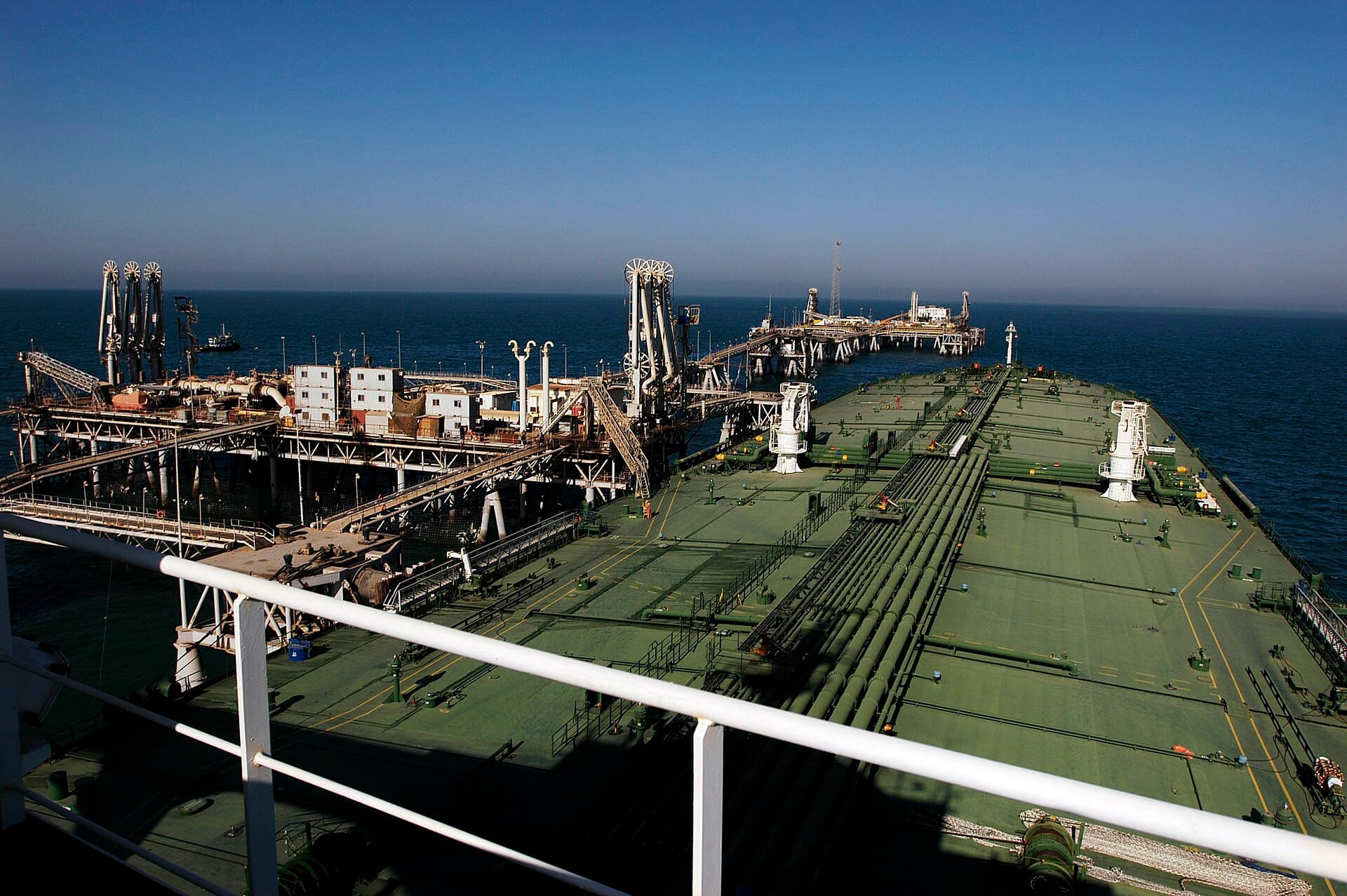
Global oil prices briefly surged above $126 a barrel before easing toward $115 in late April, marking a new wartime high in a conflict that has now produced what the International Energy Agency describes as the largest supply disruption in the history of the global oil market. The 2026 Iran war, which began with United States and Israeli strikes on February 28 and has effectively closed the Strait of Hormuz to most commercial traffic since then, has reshaped the Canadian inflation picture and left Canadian drivers paying among the highest gasoline prices the country has seen in years.
The average price for a litre of regular gasoline in Canada was $1.83 on Thursday afternoon, according to GasBuddy, up 4.5 cents in 24 hours and up 47.9 cents from a year earlier. Prices in British Columbia averaged just over $2 a litre, the highest in the country. The federal government's temporary suspension of the federal fuel excise tax, in effect from April 20 through September 7, has trimmed up to 10 cents per litre off pump prices, but the underlying global crude shock has more than offset that relief.
How the conflict has unfolded
Shipping traffic through the Strait of Hormuz, the chokepoint through which roughly 20 per cent of the world's seaborne oil trade flows, has been largely blocked by Iran since the start of the war. Since April 13, the United States has imposed a blockade of Iranian ports, creating what analysts describe as a dual blockade scenario in which both sides are restricting flows.
Direct military confrontations have continued through the month. Iran's Revolutionary Guard fired on a tanker in the Strait of Hormuz in mid-April, and a container ship was hit by an unknown projectile. The United States Navy fired on an Iranian container ship in the Gulf of Oman and Marines took custody of the vessel, which had attempted to cross the United States blockade. The pattern of small but consistent incidents has been enough to keep marine insurance premiums elevated and to deter the resumption of normal traffic.
The price swings
Oil prices have moved sharply on each significant news event. Brent crude has surged more than 55 per cent since the start of the war, briefly hitting nearly $120 a barrel earlier in the conflict before pushing higher in late April. The brief spike above $126 was driven by reports that proposed easing measures were being rejected by both sides, although prices eased again as additional diplomatic signals emerged.
West Texas Intermediate, the benchmark used most often for Canadian crude pricing, has tracked Brent higher, although Canadian heavy oil has not captured the full benefit because of pipeline capacity constraints and quality differentials. The result is that Canadian producers have seen revenue gains, while Canadian consumers have absorbed higher costs at the pump and across the broader economy.
The impact on Canadian inflation
The Bank of Canada held its policy rate at 2.25 per cent on April 29 and warned that inflation, which climbed to 2.4 per cent in March, could rise to roughly 3 per cent in April because of the energy shock. The central bank's projection assumes that oil prices will eventually ease and that inflation will return to the 2 per cent target in early 2027, but that path is conditional on a de-escalation that the conflict has not yet shown.
Beyond the direct fuel costs, second-round inflation effects are appearing in transportation, food distribution, and household goods. Trucking companies are passing through higher diesel costs, food retailers are reporting higher logistics expenses, and airlines are imposing fuel surcharges on tickets. The cumulative effect on household budgets is significant, particularly for lower-income Canadians who spend a larger share of their disposable income on fuel and food.
The federal response
The federal government's Spring Economic Update introduced several measures aimed at offsetting the impact. The temporary fuel excise tax suspension, in effect through September 7, has reduced gasoline prices by up to 10 cents a litre and diesel by up to four cents. The new Canada Groceries and Essentials Benefit will provide additional support to more than 12 million Canadians starting July 2026, with the benefit amount increased by 25 per cent for five years.
The Liberal majority has also signalled that further measures may be required if the energy shock persists. Conservative leader Pierre Poilievre has called for a broader suspension of all federal fuel taxes through the end of the year, including the GST and the carbon tax, and has framed the issue as a test of the government's commitment to affordability. The NDP has called for additional support for low-income households, including expansions to the Canada Child Benefit.
What it means for Canadian drivers
For drivers, the immediate consequence is the highest sustained gasoline prices in years, with little prospect of significant relief in the near term. The federal excise tax suspension and provincial measures including reductions in fuel taxes in some jurisdictions have offset only a portion of the increase. Households that rely on driving for work, particularly in regions with limited transit alternatives, are bearing a disproportionate share of the cost.
Diesel-dependent industries, including agriculture and trucking, are also under significant pressure. Farm associations have warned that planting season costs will be substantially higher than budgeted, and trucking firms have warned that surcharges will need to be passed through to retail customers. The cumulative effect is a broad upward pressure on the cost of goods and services across the economy.
Provincial measures
Provincial responses have varied. British Columbia, where prices are highest, has resisted calls for additional provincial fuel tax relief beyond existing structures, citing the need to maintain transit funding. Alberta has used royalty windfalls from higher oil prices to support its budget without introducing additional consumer relief. Ontario and Quebec have aligned more closely with the federal posture and have avoided major provincial measures.
The patchwork of responses reflects the federal nature of fuel taxation in Canada and the differing political and fiscal pressures facing each province. Provincial premiers have generally welcomed the federal excise tax suspension while reserving the right to argue for additional measures if the energy shock persists into the autumn.
The global context
The Iran war and its impact on global energy markets are unfolding alongside other significant geopolitical events. The Russia-Ukraine war remains stalled despite a brief Orthodox Easter ceasefire and a more recent Russian Victory Day truce proposal that Ukraine rejected in favour of pursuing a long-term ceasefire. The combination of two simultaneous wars in major energy-producing regions has produced unusual volatility in oil markets and has stretched the diplomatic capacity of major powers.
The IEA has warned that the supply disruption associated with the Iran conflict is unprecedented in scale and that even a partial reopening of the Strait of Hormuz would not fully restore normal market conditions because of damage to infrastructure and the loss of confidence among shippers and insurers. The agency has called for coordinated stockpile releases and for accelerated investment in alternative supply routes, including overland pipelines through allied countries.
The Canadian energy industry response
Canadian oil and gas producers have benefited from higher global prices, but the benefits have been distributed unevenly. Producers in Alberta, Saskatchewan, and offshore Newfoundland have seen revenue gains, although pipeline capacity constraints and quality differentials have limited the upside for some. The federal government has continued to navigate the complex politics of supporting the industry while pursuing climate commitments.
Industry associations including the Canadian Association of Petroleum Producers have used the moment to press for accelerated approval of pipeline and export infrastructure projects that they argue would let Canada take greater advantage of global market opportunities. Provincial governments, particularly Alberta, have taken similar positions. The Carney government has signalled openness to expanded export infrastructure where projects can demonstrate environmental and consultation standards.
The long-term energy transition
The Iran war's energy market disruption has reignited longer-term debates about energy security, the pace of the transition away from fossil fuels, and the role of Canadian production in a global market still heavily dependent on oil. Climate organisations have argued that the volatility itself underscores the case for faster transition to renewables and reduced dependence on imports from politically unstable regions.
Industry voices have argued the opposite, pointing to the conflict as evidence that secure supplies of conventional energy will remain important for decades and that Canada's role as a stable supplier should be expanded rather than constrained. The federal government's Canada Strong Fund, which is intended to invest in both clean and conventional energy, sits at the centre of these debates.
The diplomatic outlook
Diplomatic efforts to find an off-ramp to the Iran war have continued through April, with Pakistan playing an unusually prominent mediating role. A Pakistan-mediated two-week ceasefire was announced earlier in the month, and Pakistan's military chief welcomed United States and Iranian delegations in Islamabad for the first round of direct talks. Whether the diplomatic effort can produce a durable arrangement remains uncertain, but the momentum has at least produced an active negotiation track.
Canada has not played a central role in the Iran diplomacy, but federal officials have indicated support for any diplomatic effort that produces a sustainable de-escalation. The complexity of the conflict, including the involvement of Israeli forces and the broader regional dynamics, makes the diplomatic path challenging.
What's next
The path of oil prices through the rest of the spring will depend on diplomatic developments around the Iran war, on whether either side moves toward de-escalation, and on the behaviour of major oil-producing countries outside the conflict zone. Saudi Arabia, the United Arab Emirates, and Iraq have all increased production where possible, but spare capacity is limited and infrastructure damage in some Gulf countries has constrained their ability to fully offset Iranian losses.
For Canadian consumers, the realistic outlook is for continued pressure at the pump through the summer driving season, with limited prospects for significant relief unless the conflict moves toward resolution. The federal excise tax suspension expires on September 7, and the Carney government will face decisions about whether to extend the measure or to allow the full federal tax to return at that point.
Spotted an issue with this article?
Have something to say about this story?
Write a letter to the editor