PWHL Walter Cup Playoffs Open With Charge in Boston and Victoire at Home

The 2026 Professional Women's Hockey League Walter Cup playoffs opened Thursday night in Boston, with the Ottawa Charge facing the Boston Fleet at the Tsongas Center in the first game of a best-of-five semifinal series. The other half of the bracket sees the regular-season-leading Montreal Victoire host the Minnesota Frost at Place Bell beginning Saturday at 2 p.m. Eastern, after Montreal exercised its right as the league's top finisher to choose its preferred opponent and selected the two-time defending champions.
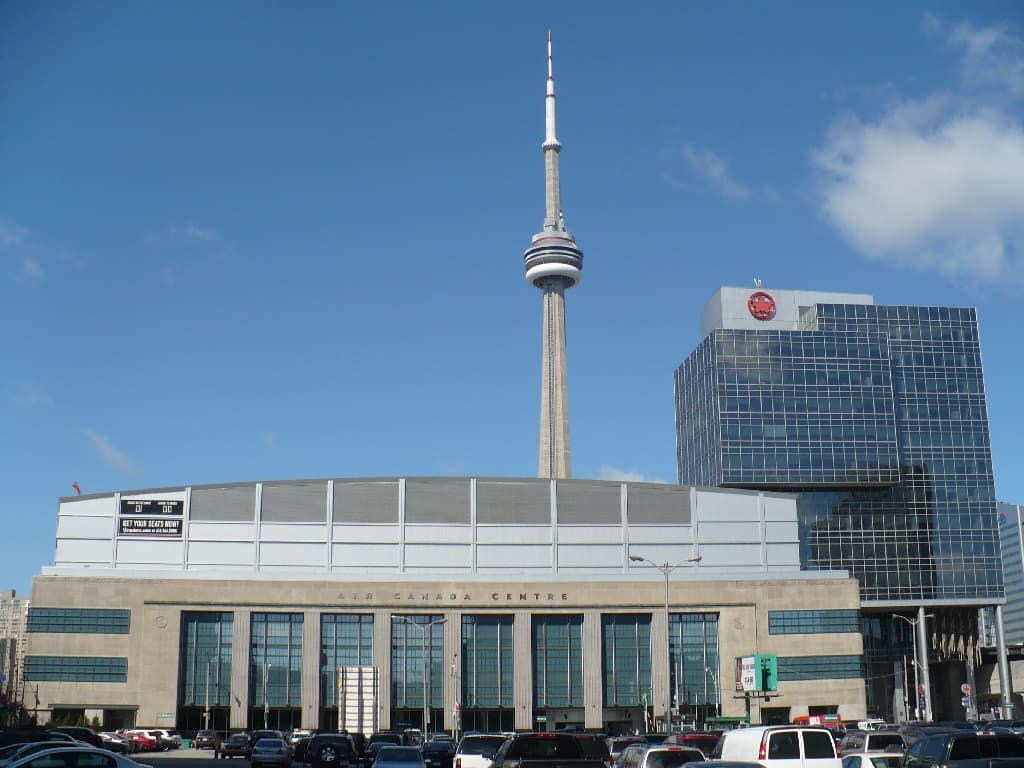
The four-team field reflects a season that produced significant variance in standings and that ultimately determined playoff positioning in the final week. The Toronto Sceptres, who entered the season with high expectations, did not make the playoffs after losing 3-0 to the Ottawa Charge on April 25 in a game that decided the fourth and final postseason berth.
The matchups
Boston, the second-place team in the standings with a 16-5-4-5 record, earned home-ice advantage and a series against fourth-place Ottawa, which finished 9-8-1-12. The two teams meet in the playoffs for the first time. Boston's roster, anchored by veteran scorers and a steady defensive corps, will look to use its home edge through the opening two games before the series potentially shifts to Ottawa for Game 3 at the Canadian Tire Centre, where the Charge confirmed it will host its playoff games this year.
Montreal, the regular season leader at 16-6-2-6, took the unusual step of selecting its first-round opponent rather than defaulting to a fixed bracket. The Victoire chose Minnesota, the third-place finisher and back-to-back Walter Cup champions, over Ottawa. League observers have read the choice as a calculated bet on Montreal's team identity, with the Victoire preferring to face a familiar quality opponent rather than a fourth seed playing with house money. The two teams have never met in the playoffs.
The Sceptres' miss
For Toronto, the failure to make the playoffs is a setback after a season that began with championship-or-bust expectations. The Sceptres were among the early-season league leaders but slid through March and April, ultimately losing the do-or-die game in Ottawa to fall out of the postseason picture. The team's offseason will involve evaluation of both roster decisions and coaching, although the league's salary structure and parity-driven schedule mean that any single team's fortunes can swing significantly from one season to the next.
The Sceptres' miss is also a reminder of the depth of competitive talent in the league. The PWHL's third season has continued the pattern established in its first two of producing tight standings and weekly games that swing the playoff picture. With only four teams qualifying out of six, the margins are unforgiving.
The Charge's run
Ottawa's clinching of the fourth playoff spot came on the final day of the regular season and represents one of the more dramatic finishes in the young league's history. The team will rely on its home crowd at the Canadian Tire Centre, where the franchise has built a fan base that has grown through the season. The Charge confirmed earlier in the week that its home playoff games will be played at the Senators' arena rather than at TD Place, providing the larger seating capacity required for what is expected to be heightened demand.
The Charge enters the series as a clear underdog by the standings but with the looseness that often comes with making the playoffs by the slimmest of margins. Boston's home-ice advantage will matter, but the Charge has shown the ability to play above its record in select games through the season.
The Victoire's case
Montreal's regular-season finish was the franchise's best to date. The team led the league at the start of the playoff window and maintained that position through a tightly contested final stretch of games. Coach Kori Cheverie has built a structure that emphasises disciplined defensive play and balanced scoring, with the Victoire's depth offering the kind of insurance against injury that can prove decisive in a best-of-five series.
Place Bell in Laval has proven to be one of the more successful venues in the PWHL, with sustained sellouts and a fan culture that has helped define the league's profile in Quebec. The Saturday opener will be the franchise's first playoff home game in the building this year, and the Victoire has signalled that it expects a capacity crowd.
The Frost challenge
Minnesota arrives in Montreal as the two-time defending Walter Cup champions and one of the most experienced playoff teams in the league. The Frost have built a reputation for tight, structured hockey that has rewarded their depth and goaltending across multiple springs. Their regular season this year was less dominant than in past years, but the team's playoff pedigree is unmatched in the league.
The series will be among the more anticipated in the early days of the playoffs, both because of the symbolic weight of a top seed playing the back-to-back champion and because of the broader narrative around whether Minnesota can extend its dynasty into a third consecutive title. The Frost organisation, drawing strong attendance from the Twin Cities market, has continued to invest in player development and analytics infrastructure, both of which have paid off in postseason results.
What it means for women's hockey
For the PWHL itself, the playoffs represent the league's third Walter Cup tournament and the most important showcase opportunity of the season. League viewership and attendance numbers have continued to climb, with Canadian markets including Montreal, Ottawa, and Toronto consistently producing the league's best demand. The league has indicated that expansion conversations remain active, with multiple Canadian and American markets in active discussion.
The Canadian players in the league, several of whom have been candidates for Hockey Canada's national team selections, also use the playoffs as a major showcase. Performance through the spring can shape selection decisions for international tournaments and for development opportunities heading into next season.
Schedule and viewing
The Boston-Ottawa series began Thursday at 7 p.m. Eastern at the Tsongas Center. The Montreal-Minnesota series opens Saturday at 2 p.m. Eastern at Place Bell. Subsequent games will follow the league's announced schedule, with both series being best-of-five formats. Television coverage in Canada is being carried on a combination of Sportsnet, CBC, and TSN, depending on the specific game, with French-language coverage on RDS for the Montreal games.
The Walter Cup Final will follow the conclusion of both semifinal series, with home-ice advantage in the final going to the higher-seeded team that advances. League officials have not confirmed the start date of the final, which will depend on how quickly the semifinal series resolve.
The expansion conversation
The PWHL's continued growth has fuelled discussion about adding additional franchises in time for the 2026 to 2027 season or shortly thereafter. The league has identified several Canadian and American markets as potential expansion targets, and conversations have continued through the season. The success of established franchises in Canadian markets has provided a benchmark that potential expansion cities are expected to meet.
The economics of women's professional hockey have shifted significantly with the establishment of the PWHL. Player salaries, while still modest by the standards of major men's leagues, have grown substantially compared to the era before the league's launch. Sponsorship and broadcast revenue have similarly grown, providing the financial foundation necessary to sustain operations and consider expansion.
The international dimension
Many of the league's top players also represent their countries in international competition, and PWHL form often translates into national team selections. Hockey Canada's senior women's program has drawn extensively from PWHL rosters, and the league's calendar has been built to accommodate international windows. Players who advance deep into the playoffs often face short turnarounds before international commitments later in the spring or summer.
The IIHF Women's World Championship, the Olympic Games, and various international friendly windows all interact with the PWHL's schedule. League officials have continued to work with national federations to manage those overlaps, and the cooperation has generally been positive. The growth of women's hockey internationally has reinforced the importance of these arrangements.
The growth of the women's hockey audience
The PWHL's success has paralleled a broader expansion of the women's hockey audience in Canada and internationally. Television broadcasts have drawn larger viewership numbers than expected, attendance has consistently exceeded preseason projections, and merchandise sales have signalled a level of fan investment that supports the league's longer-term viability. The Walter Cup playoffs offer an additional opportunity to reach audiences that may not have engaged with regular-season programming.
The sponsorship landscape has evolved alongside the audience growth. Major Canadian brands including Scotiabank, Sobeys, and Air Canada have all built activations around their PWHL partnerships, and additional sponsors have signed on through the season. The combination of growing revenue streams and disciplined cost management has positioned the league for the kind of sustainable growth that previous attempts at women's professional hockey could not achieve.
What's next
The Charge play Boston in Game 1 on Thursday, with the series shifting to Ottawa later in the week if the home team is able to extend the matchup. The Victoire host Minnesota on Saturday in Game 1 of the other semifinal. Both series have the potential to reshape the league's competitive landscape heading into next season, particularly if the standings leaders are able to translate their regular-season form into postseason success.
Beyond the playoffs themselves, the league's offseason will include free agency, the entry draft, and continued conversations about expansion, scheduling, and arena partnerships. The PWHL's third season has been its most ambitious yet, and the Walter Cup playoffs offer a chance to crown a champion in a year that has tested the league's depth more than any to date.
The trophy itself, named for businessman Mark Walter who has been a major financial supporter of the league, will be presented at the conclusion of the final series. The ceremony, which has become a meaningful moment in women's professional sport, will draw international attention regardless of which two teams meet in the final.
Spotted an issue with this article?
Have something to say about this story?
Write a letter to the editor