Oilers Eliminated by Ducks in First Round, McDavid Calls Team 'Average'
The Anaheim Ducks ended the Edmonton Oilers' season in the first round of the 2026 Stanley Cup Playoffs on Thursday night, winning Game 6 by a score of 5-2 at Honda Center to take the series 4-2. The result eliminates the back-to-back Western Conference champions before the second round and represents one of the most surprising early exits in recent NHL playoff history, given that Edmonton entered the series as the favoured opponent and that captain Connor McDavid had captured the Art Ross Trophy with 138 points during the regular season.
For the Ducks, who finished the regular season as one of the lower seeds in the West, the win is the franchise's most significant playoff result in years and sends them into the second round to face the winner of the Pacific Division series. Anaheim was led on the night by Leo Carlsson and Troy Terry, who paced the offence with the kind of execution that had eluded the Ducks earlier in the series.
How the series unfolded
The Ducks took control early in the series and held it through six games. Anaheim built a 3-1 lead in part by exposing Edmonton's recurring goaltending issues, which have shadowed the franchise for several seasons despite a parade of attempted fixes. The Oilers staved off elimination in Game 5 with Leon Draisaitl scoring twice, but the reprieve proved short-lived. In Game 6, the Ducks scored early and often, leaving Edmonton chasing the game from the opening period.
Edmonton's struggles were not limited to goaltending. The Oilers' top six produced points but not consistently enough to swing momentum, and the bottom six was unable to generate the secondary scoring that defined the team's deep runs in 2024 and 2025. Special teams, often a strength, also failed at key moments. The combination produced an exit that head coach Kris Knoblauch and general manager Stan Bowman will both be expected to answer for in the coming weeks.
McDavid's blunt verdict
Speaking after the loss, McDavid did not soften his assessment. He said the team had been an average team all year, and that an average team with high expectations is bound to be disappointed. He added that the team never quite found its identity through the regular season and that the playoffs exposed those gaps. The comments, captured in the Oilers' postgame media availability, are among the most pointed McDavid has made during his tenure as captain.
The remarks were echoed in tone, if not in language, by Draisaitl, who acknowledged that the team had not played to the level required of a championship contender. Both players are signed to long-term contracts, but the early exit will revive long-running debate about whether the franchise has built a roster around them capable of winning a Stanley Cup before their primes pass.
The goaltending question
The Oilers spent the offseason and the early part of the regular season trying to address the goaltending problems that had haunted previous postseason runs. The team moved on from Stuart Skinner, who had been the de facto starter through the back-to-back conference final runs, and brought in veteran Tristan Jarry along with younger Connor Ingram. Neither solution produced the consistency the team was seeking. Jarry battled form and injury issues across the regular season, and Ingram showed glimpses but lacked the steady hand the Oilers needed when the games mattered most.
By the time the playoffs arrived, the goaltending picture remained unsettled, and against an opponent that found scoring in unexpected places, the cracks widened. Hockey analytics models that track quality of chances against versus goals allowed flagged Edmonton's crease as a clear underperformer in the series, and traditional save percentage and goals against average numbers told a similar story.
Reaction across the league
Wayne Gretzky, the franchise's most iconic player, weighed in on McDavid's situation in remarks made earlier in the playoffs in which he described McDavid's offensive game as lethal but cautioned that lethal individual production cannot, on its own, deliver championships. Other former players and analysts have argued that the Oilers' construction around McDavid, with significant cap dollars committed to the top of the lineup, leaves limited room to build the depth that wins playoff series.
Around the league, the result is being seen as a warning that even the most talent-rich rosters can be undone by mismatches in goaltending or by depth issues exposed under playoff pressure. The Ducks' victory will earn praise for head coach and front office, although the franchise's longer-term direction remains a story for the offseason.
What it means for Edmonton
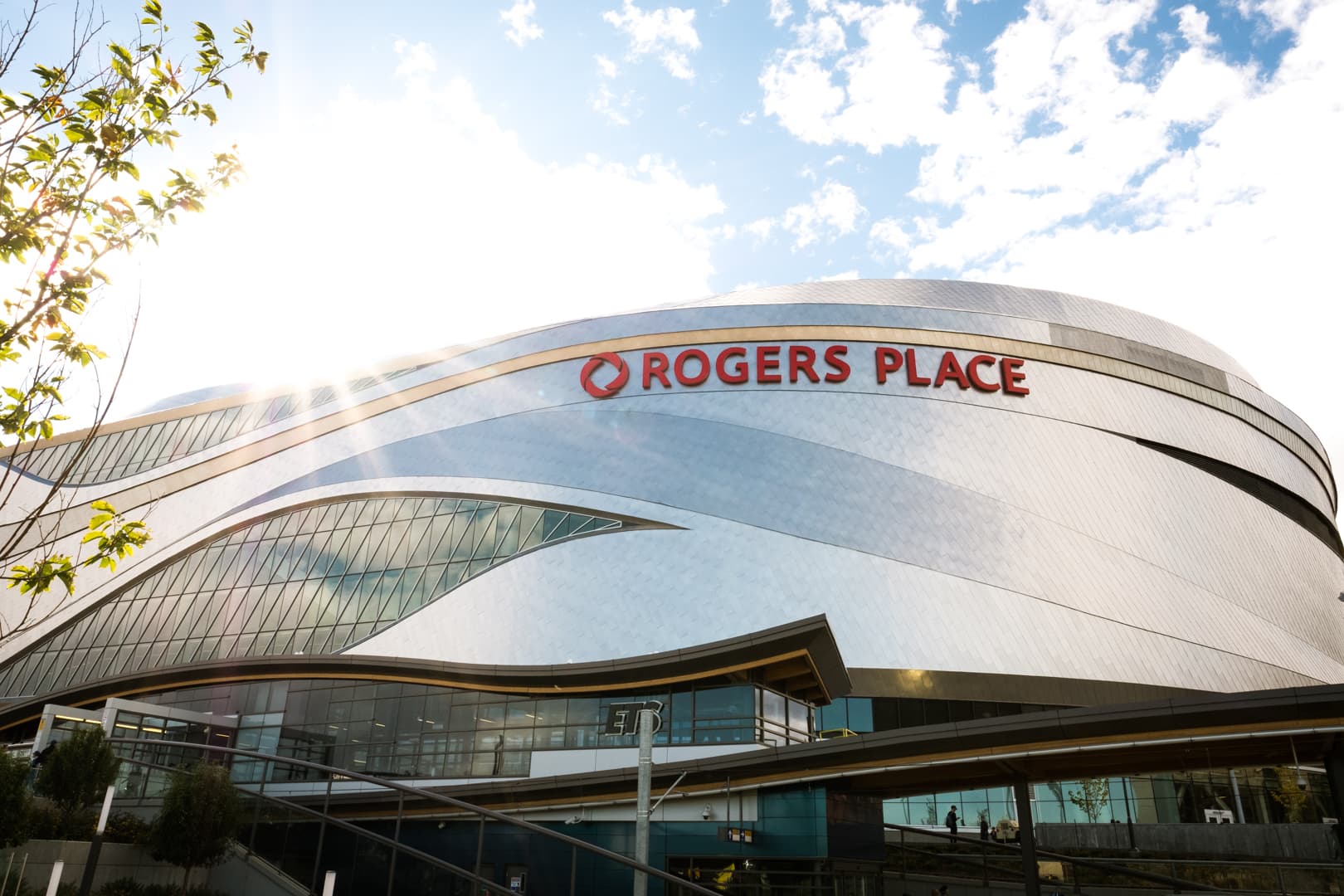
For the city of Edmonton, the result is a sobering end to a season that had appeared to point toward a third straight conference final at minimum. Local businesses that had built revenue plans around a deep playoff run will adjust, and the Edmonton Oilers Community Foundation will continue with its scheduled events into the offseason. Rogers Place, which has hosted some of the most electric playoff atmospheres in recent NHL memory, will go dark for hockey until preseason play returns in the autumn.
For the franchise itself, the offseason will be defined by a set of difficult questions. The cap structure built around McDavid and Draisaitl is not easily reshaped without difficult moves. Free agency will offer some opportunity to rebuild the goaltending situation, but the Oilers will not be the only team in the market for high-end netminders. The draft, where Edmonton picks late, offers limited near-term help.
The McDavid future
The most consequential question hovering over the franchise concerns McDavid himself. The captain is signed through the upcoming season, and his next contract will be one of the most watched in NHL history. With a first-round exit now on the record after consecutive deep runs, the conversation about whether McDavid will remain in Edmonton beyond his current deal will inevitably intensify. The 28-year-old has consistently said he wants to win in Edmonton, and his comments after Game 6 did not directly address his future, but the question will not go away.
League sources have suggested that McDavid himself will likely take time to evaluate the offseason moves the Oilers make before any decisions on a new deal are signalled. For Bowman, Knoblauch, and ownership, that timeline will compress decision-making in ways that will shape the next several months.
The history book context
The Oilers' first-round exit will sit uncomfortably alongside the franchise's recent history. The team reached the Stanley Cup Final in both 2024 and 2025, losing in seven games to the Florida Panthers in 2024 and falling in the same series the following year. Those runs had built expectations of a third consecutive deep playoff push, and the early elimination this spring stands as one of the more sudden reversals in recent NHL postseason history.
For McDavid personally, the result deepens a frustrating playoff narrative. Despite individual numbers that rank among the best of his generation, including the 138-point regular season that earned him another Art Ross Trophy, the captain has yet to lift the Stanley Cup. Comparisons to other generational talents who waited years for championship breakthroughs are inevitable, but the comparisons offer cold comfort to a fanbase that has been waiting for a Cup since 1990.
The financial fallout
Beyond the on-ice implications, the early exit carries significant financial implications for the Oilers organisation. Each home playoff game contributes substantial revenue from ticket sales, concessions, merchandise, and broadcast partnerships. A second-round series at Rogers Place would have added several additional dates to the calendar, with corresponding economic impact for the surrounding ICE District and downtown Edmonton businesses.
For the City of Edmonton, the absence of further playoff games means a smaller economic uplift than the previous two springs delivered. Local hospitality operators, transit officials, and downtown business associations had been planning for a longer postseason run, and the shift to early offseason mode will require adjustments through the rest of May and June.
The coaching question
Head coach Kris Knoblauch took over the Oilers in November 2023 and led the team to consecutive deep playoff runs in his first two full seasons. The early exit this spring will inevitably draw scrutiny to coaching decisions, particularly around lineup construction, in-game adjustments, and the management of the goaltending situation. Knoblauch has the loyalty of his core players, but professional sports organisations have limited patience for results that fall short of expectations.
General manager Stan Bowman, who took over the role earlier in the season, faces his own set of questions. The trades and signings he engineered through his tenure will be evaluated against the playoff outcome, and the offseason will provide his first opportunity to make significant moves to reshape the roster around his own vision. The relationship between coaching and management decisions will define the franchise's path through the summer.
What's next
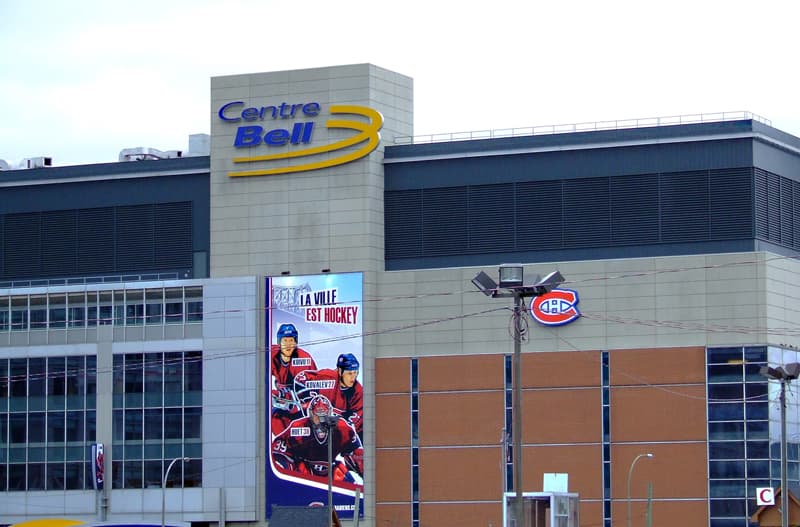
The Ducks move on to the second round to face the winner of the other Pacific bracket. The remaining Canadian team in the playoffs is the Montreal Canadiens, who lead the Tampa Bay Lightning 3-2 in the Eastern Conference first round and play Game 6 on Friday in Montreal. The Ottawa Senators were swept in their first-round series by the Carolina Hurricanes earlier this week, leaving the Canadiens as Canada's last hope for advancing to the second round.
For the Oilers, exit interviews will begin this weekend, followed by a shortened gap before the NHL Draft and the opening of free agency in early July. The 2026-27 season schedule will be released in the late summer, and Rogers Place will once again open its doors to the highest expectations in Canadian hockey, with the same questions and the same window beginning to narrow.
The franchise's broader trajectory will be defined as much by the offseason work as by any single playoff result. The combination of player evaluation, coaching review, and front office decision-making over the coming months will determine whether the 2026 first-round exit becomes a one-off result or the start of a more sustained period of difficulty for one of the league's most watched franchises.
Spotted an issue with this article?
Have something to say about this story?
Write a letter to the editor