Ottawa to Send Billions to Ontario First Nations for Child Welfare
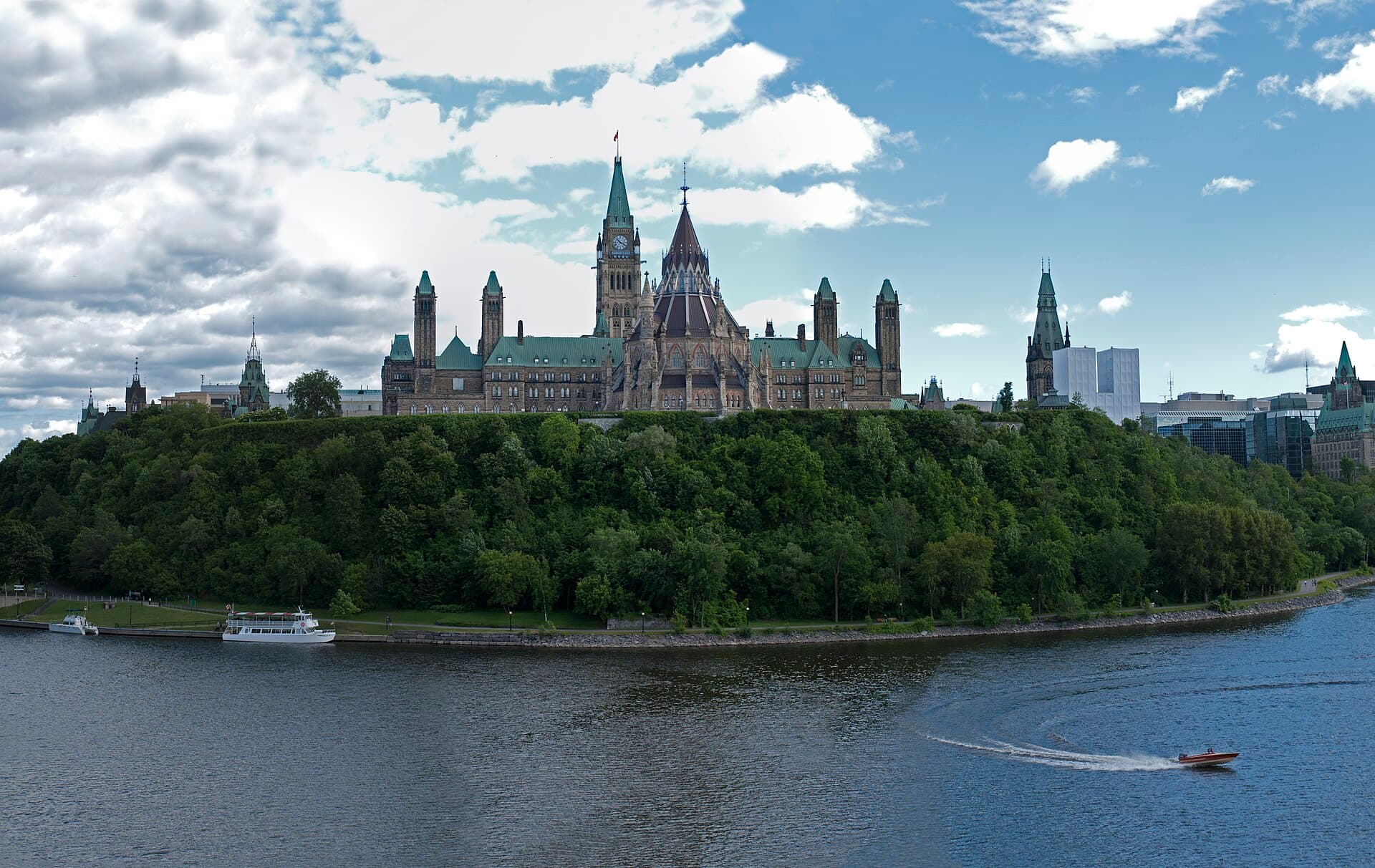
The federal government is preparing to release roughly $8.5 billion to Ontario First Nations to help them reclaim and run their own child welfare systems, with the first funds set to begin flowing on 29 May 2026. Indigenous Services Minister Mandy Gull-Masty confirmed the rollout, framing it as a major step in returning authority over the care of First Nations children to the communities those children come from. The money is meant to support a long effort to dismantle a system that courts and tribunals found had discriminated against First Nations children by underfunding the services they relied on.
The arrangement covers a large number of First Nations across Ontario and is structured to deliver funding over several years rather than in a single transfer. It is the first of several regional agreements the federal government is pursuing, and Ottawa has signalled that similar deals are in active negotiation with First Nations elsewhere in the country. For the families and children affected, the change promises a shift away from systems designed in distant offices and toward programs shaped by the communities that use them.
The timing carries added weight because it lands just weeks after a federal Auditor General report criticised Indigenous Services Canada for failing to follow through on earlier funding commitments. That report has sharpened questions about whether new money will be accompanied by the accountability and monitoring needed to ensure it reaches its intended purpose. Ottawa now faces the dual task of moving billions of dollars quickly while demonstrating that past shortcomings will not be repeated.
For First Nations leaders, the rollout represents both a hard-won outcome and the beginning of a demanding new phase. Reclaiming jurisdiction over child welfare means building or rebuilding the institutions, staffing and prevention programs that allow communities to keep families together. The coming months will test whether the funding is enough, and whether the structures around it are sound enough, to deliver on that promise.
What the Funding Is Meant to Do
At its core, the $8.5 billion is intended to help Ontario First Nations take control of child and family services that have long been administered under rules set elsewhere. The goal is to move away from a model centred on apprehending children and toward one focused on prevention, keeping families intact and supporting communities before crises force removals. That shift has been a central demand of First Nations advocates for years.
According to the minister's office, the money will be delivered over a multi-year period rather than as a lump sum, allowing communities to plan and build capacity over time. The phased approach reflects the scale of the undertaking, since reclaiming jurisdiction involves far more than transferring funds. It requires hiring and training staff, establishing governance, designing culturally grounded programs and creating the administrative systems to run them.
The 29 May start date marks the point at which the first payments begin, with subsequent instalments to follow. Officials have described the initial flow as the opening of a longer process, one that will see resources reach communities in stages as agreements take effect. The structure is intended to give First Nations stability and predictability as they assume responsibilities that the federal and provincial systems previously held.
For communities, the practical aim is to reduce the number of children taken into care and to support those who are by keeping them connected to family, culture and language. Decades of removals have left deep wounds across Indigenous communities, and the prevention-focused model is meant to address the conditions that lead to apprehension rather than simply responding after the fact.
Reclaiming Jurisdiction
The deeper significance of the announcement lies in the question of jurisdiction. For generations, decisions about the welfare of First Nations children were made by governments and agencies outside their communities, often with damaging results. Returning that authority to First Nations themselves is the principle that underpins the funding, and it reflects a broader movement toward self-determination in Indigenous affairs.
Reclaiming jurisdiction means that First Nations, not provincial or federal bodies, would set the standards, design the programs and make the decisions about how children and families are supported. Advocates argue that communities are best placed to understand the circumstances of their own children and to deliver care that respects culture, language and kinship ties. The funding is meant to make that authority real by resourcing the systems required to exercise it.
The transition is complex. Building child welfare institutions from the ground up, or transforming existing arrangements, demands expertise, infrastructure and time. Communities vary widely in size and capacity, and the path to full jurisdiction will look different from one First Nation to another. The phased funding is designed in part to accommodate that diversity, giving communities room to move at a pace they can manage.
The reform also touches on the relationship between First Nations and the Crown more broadly. Returning control over child welfare is part of a wider reconceiving of how services to First Nations are designed and delivered, one that emphasises partnership and self-governance over top-down administration. The Ontario agreement is being watched as a template for what that relationship can look like in practice.
Talks Continue Across the Country
Ontario is the first region to see funds flow, but it is not intended to be the last. Negotiations on similar arrangements are continuing with First Nations in Treaty 8 and Treaty 6 in Western Canada, the Assembly of Manitoba Chiefs, and First Nations in Atlantic Canada and Quebec. The federal government has set a target of completing those discussions by the fall, signalling an ambition to extend the model nationwide within months.
Each set of negotiations carries its own complexities, reflecting different treaty relationships, regional histories and community priorities. The arrangements are not identical, and reaching agreement in one region does not guarantee a smooth path in another. The diversity of First Nations across the country means Ottawa must tailor its approach rather than impose a single formula, a process that takes time and sustained engagement.
The fall target sets a clear benchmark against which progress can be measured, and it raises the stakes for the federal government to demonstrate that the Ontario rollout can be replicated. Success in Ontario, both in moving money and in building functioning systems, is likely to influence how readily other First Nations enter into comparable agreements. Difficulties, by contrast, could give pause to communities weighing whether to sign on.
The breadth of the negotiations underscores the national scale of the child welfare reform effort. From the prairies to the Atlantic, First Nations are pursuing the same core objective of reclaiming authority over the care of their children. The Ontario agreement is the leading edge of a much larger shift that, if completed as planned, would reshape how child welfare is governed across Indigenous Canada.
A Critical Auditor General Report
The funding rollout arrives in the shadow of a critical report from the federal Auditor General, released on 4 May 2026, that found Indigenous Services Canada had fallen short in carrying out earlier commitments. The report examined the department's handling of what it called the New Fiscal Relationship, an effort to change how funding is provided to First Nations, and concluded that the department did not effectively implement, monitor or assess those commitments.
According to the report, more than $6.5 billion has flowed through ten-year grants under the initiative, a substantial sum intended to give First Nations more stable and flexible funding. Yet the Auditor General found that the department fell short on two specific commitments: replacing the Default Prevention and Management Policy and creating a mutual accountability framework. Those gaps point to weaknesses in follow-through rather than in the amount of money committed.
The findings are pointed because they bear directly on the credibility of new spending. If a department struggles to implement and monitor existing commitments, observers ask, what assurance is there that fresh billions will be managed effectively? The report has fuelled calls for stronger oversight, clearer benchmarks and transparent reporting as the child welfare funds begin to move.
The department has acknowledged the need to improve, and the broader push toward First Nations control of child welfare can itself be read as part of the answer, since communities running their own systems are positioned to hold those systems accountable in ways a distant department cannot. Still, the report serves as a reminder that money alone does not guarantee results, and that accountability mechanisms will be central to whether the reform succeeds.
Decades of Discrimination and Reform
The funding cannot be understood apart from the long history that produced it. For years, advocates argued that the federal government underfunded child and family services on reserves, leaving First Nations children with fewer supports than other children in Canada and contributing to high rates of removal from their homes. Courts and tribunals examining the issue found that the system discriminated against First Nations children.
That finding has driven a sustained reform effort aimed at correcting the underfunding and changing the way services are delivered. The dispute over on-reserve child welfare has been one of the most consequential in the area of Indigenous rights, touching on questions of equality, federal obligation and the well-being of children. The current funding agreements are an outgrowth of that long struggle.
The human stakes are immense. The system being reformed has affected thousands of Indigenous children and families, many of whom experienced separation that left lasting harm. The shift toward prevention and community control is meant to break that cycle, reducing the number of children taken into care and strengthening families before they reach a breaking point. For survivors of past policies, the reform carries deep significance.
The reform also sits within the wider project of reconciliation, which has placed the treatment of Indigenous children at the centre of efforts to repair the relationship between Canada and First Nations. Returning authority over child welfare is widely seen as one of the most concrete tests of whether that project can move from principle to practice. The Ontario rollout is among the most tangible steps taken to date.
What's Next
In the immediate term, attention will turn to the 29 May start of funding and how smoothly the initial payments reach Ontario First Nations. Communities will begin or accelerate the work of building and staffing their own child welfare systems, and the early months will offer the first signs of how the transition is unfolding on the ground.
Beyond Ontario, the federal government faces its fall deadline to complete negotiations with First Nations in the prairies, Atlantic Canada and Quebec. Progress on those talks will determine whether the model extends across the country as planned, and the experience in Ontario is likely to shape how readily other communities move forward. The pace and outcome of those negotiations will be closely watched.
Accountability will remain a central theme, given the Auditor General's recent findings. Pressure will continue for clear reporting on how the money is spent and what results it achieves, both to satisfy oversight bodies and to maintain the trust of the communities involved. How effectively Ottawa and First Nations build those mechanisms could shape public confidence in the reform.
For the children and families at the heart of the effort, the measure of success will ultimately be felt in communities rather than in funding announcements. The goal is fewer children removed from their homes, stronger family supports and a system that reflects the cultures and priorities of First Nations. Whether the billions now beginning to flow deliver on that goal will become clearer in the years ahead.
Spotted an issue with this article?
Have something to say about this story?
Write a letter to the editor

Comments
Be the first to comment.