Air Canada Cuts Yellowknife-Toronto Direct Flight: A Lifeline Lost
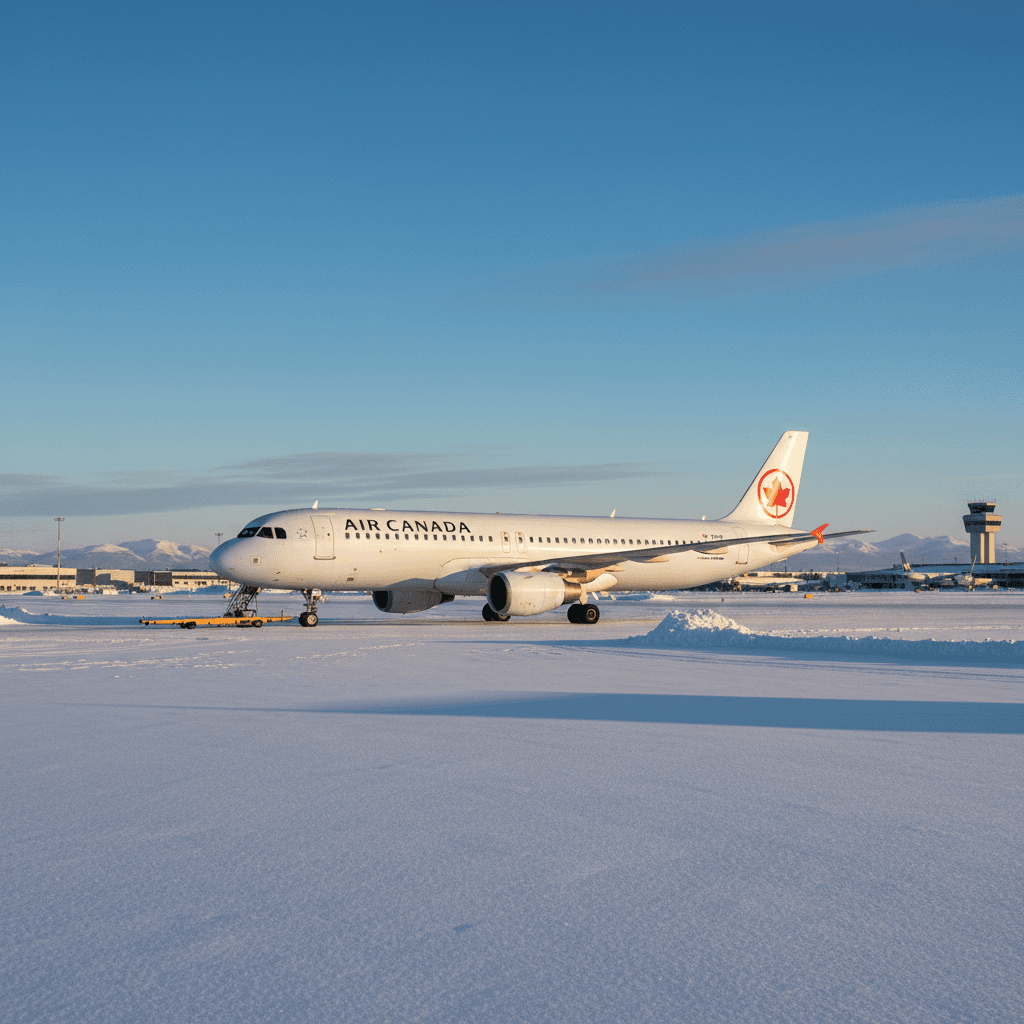
Air Canada's announcement that it will discontinue direct passenger service between Yellowknife and Toronto effective September 1, 2026, has drawn sharp condemnation from Northwest Territories leaders, healthcare advocates and ordinary residents who rely on the route for medical travel, business connections and family visits. The decision eliminates what many northern residents describe as the single most important transportation link between the territorial capital and the rest of Canada, leaving passengers to navigate connecting itineraries through Calgary, Edmonton or Vancouver that add hours, cost and uncertainty to every journey.
For southern Canadians, the cancellation of a single airline route might seem like a routine commercial decision. For Yellowknife's roughly 20,000 residents and for the broader Northwest Territories, it reflects a pattern of shrinking connectivity that defines life in the Canadian North and that has real consequences for healthcare access, economic development and the basic equality of opportunity between northern and southern Canadians.
The route has operated with varying frequency for decades, serving as the primary link between NWT's administrative, commercial and medical hub and the national hub through which most long-haul travel is booked. Its elimination does not leave Yellowknife without air service to Toronto, but it changes the character of that service fundamentally, turning a direct flight into a multi-stop journey that is longer, more expensive and less reliable.
What the Route Means for NWT Residents
The Yellowknife-Toronto direct flight is not primarily a leisure route. A significant share of its passengers travel for medical appointments at specialized facilities in the south, for court proceedings in federal jurisdictions, for business negotiations that require face-to-face presence or for family events like births, deaths and significant milestones that cannot be attended remotely. These are not discretionary trips that can simply be deferred or replaced by video calls.
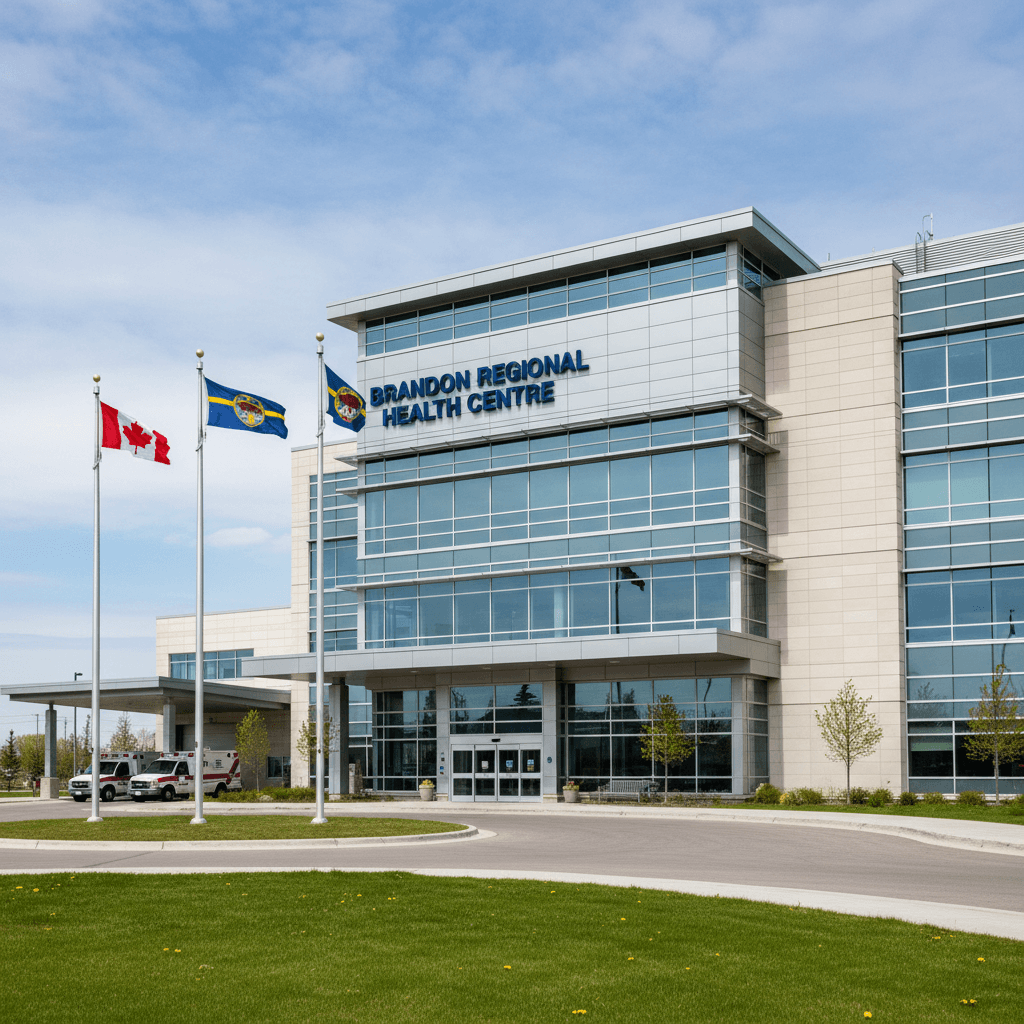
Medical travel is the category that advocates highlight most urgently. Yellowknife's Stanton Territorial Hospital provides a wide range of services, but complex cancer treatment, organ transplantation, advanced cardiac procedures and specialized pediatric care require referral to facilities in Edmonton, Calgary, Ottawa or Toronto. Patients making those journeys are often already medically compromised, accompanied by family members who have taken time off work, and on tight schedules set by treatment protocols. Adding a connection through a southern hub increases travel time, introduces the risk of missed connections during weather disruptions and adds physical and emotional stress to people who are already under significant strain.
Business travel on the corridor supports the resource, construction and professional services sectors that underpin Yellowknife's economy. With major mining projects under development in the NWT and a growing federal government presence in the territory, frequent and reliable air service to Toronto is not a luxury but a competitive requirement. Companies making location decisions for northern projects weigh connectivity to southern headquarters and professional networks as a genuine factor, and the loss of a direct route tips that calculation in ways that are difficult to quantify but real in their effect.
What Alternatives Exist and Why They Are Inadequate
The alternatives to the direct Yellowknife-Toronto route are connecting services through Western Canadian hubs, primarily Calgary and Edmonton, with Edmonton offering slightly shorter total travel time given its geographic position as the major urban centre closest to Yellowknife. Both connections are available on Air Canada and WestJet, and some itineraries can reach Toronto in seven to nine hours including transit time at the connection city.
That may sound manageable, but the comparison with a direct flight exposes the gap clearly. A direct Yellowknife-Toronto service covers the distance in roughly four hours. Adding a connection through Edmonton adds at minimum two hours of transit time to the journey, plus the risk of delays and missed connections that are a particularly serious problem for northern travellers whose onward options are limited. Missing a connection in Edmonton when you are booked for a morning medical appointment in Toronto is not a minor inconvenience. It is a missed appointment that may take weeks or months to reschedule.
Cost is a related concern. Connecting itineraries through hub cities are not inherently cheaper than direct flights, and in practice they are often more expensive because they compete for fewer available seats on popular routes and are subject to higher fees when booked on short notice. Northern travellers already pay more for air travel than virtually anywhere else in Canada, and the elimination of a direct route removes the competitive pressure that keeps prices from climbing further on the connecting alternatives.
How Northern Communities Already Pay More
Air travel costs in the Canadian North are a defining feature of northern life and a persistent source of grievance. A return flight between Yellowknife and Toronto regularly costs between $800 and $1,500 even when booked weeks in advance, and prices can spike dramatically during weather disruptions or when demand concentrates around medical travel windows. Residents in smaller communities north and east of Yellowknife pay even more, with some remote communities accessible only by charter aircraft at costs that are genuinely prohibitive for low-income households.
The federal government has operated programs intended to address northern air travel costs, but their reach and adequacy have been subjects of ongoing criticism. The NWT government has pushed Ottawa repeatedly for a northern air travel subsidy comparable to programs that exist in northern Quebec and some other jurisdictions, arguing that the current market structure leaves northern residents without a viable option to participate fully in Canadian economic and social life.
Northern businesses also absorb the air travel cost premium as a factor in every decision about where to locate, which employees to recruit and which clients to serve. Professional service firms, in particular, face a structural disadvantage relative to southern competitors simply because the cost of sending a lawyer, accountant or engineer to meet a client in Yellowknife is significantly higher than the same trip to a comparably sized southern city.
The History of Northern Air Connectivity
Air service to Yellowknife has been available since the 1930s, when bush planes opened the region to prospectors and the first wave of resource development. Scheduled passenger service developed through the mid-twentieth century as Yellowknife became the capital of the NWT and a significant administrative and commercial centre. The jet age brought more capacity and lower per-seat costs, but the fundamental economics of low-density northern routes have always made them marginal for large commercial carriers.
Previous episodes of reduced northern air service have consistently demonstrated that connectivity losses are difficult to reverse once they occur. When a carrier exits a route, the competitive pressure that keeps prices reasonable disappears, and the remaining operators adjust their pricing and capacity accordingly. Rebuilding service requires either a sustained commercial case or a government subsidy that makes the route viable from a public policy standpoint.
The Northwest Territories has seen multiple rounds of air service deterioration and partial restoration over the past three decades, each cycle leaving the territory slightly less well connected than before. The Yellowknife-Toronto direct route has been a persistent exception to that pattern, a premium service that northern advocates have defended vigorously because its loss would be difficult to undo.
What Government and Territorial Leaders Are Saying
NWT Premier R.J. Simpson issued a strongly worded statement characterizing Air Canada's decision as harmful to northern residents and calling on the federal government to intervene. The premier pointed to the medical travel implications specifically, noting that the territorial government's medical travel program, which subsidizes southern appointments for NWT residents, would see costs rise as patients are forced onto longer and more expensive connecting routes.
Yellowknife's mayor and local business organizations have echoed those concerns, framing the route cancellation as an economic development issue as much as a transportation one. The local chamber of commerce has published letters to Air Canada executives and federal ministers, and a social media campaign drawing attention to the decision has attracted thousands of signatures from northern residents and their advocates in southern Canada.
Federal Transport Minister has indicated that the government is reviewing the situation but has not committed to a specific intervention. The regulatory toolkit available to the federal government in disputes over domestic air service is limited: unlike countries with explicit universal service obligations for air travel, Canada has generally relied on market forces supplemented by targeted subsidy programs rather than mandating specific route service from commercial carriers.
Whether the Decision Can Be Reversed
Air Canada's route decisions are ultimately driven by load factors, yield per seat and network strategy. The Yellowknife-Toronto route would need to demonstrate commercial viability on its own terms or attract government support sufficient to make it economically rational for the carrier to maintain it. Neither outcome is impossible, but neither is straightforward.
There is a precedent for government-negotiated northern route maintenance agreements, and the political pressure generated by the Yellowknife decision may create conditions for that kind of arrangement. The federal government has occasionally used bilateral arrangements with carriers to preserve northern service in the past, and the current political environment, in which northern sovereignty and development are elevated priorities, provides a rationale for intervention that might not have been available in a different moment.
The September 1 implementation date gives advocates roughly four months to build a case, engage the federal government and explore whether a coalition of territorial, business and healthcare interests can assemble a proposal that Air Canada would accept as an alternative to the cancellation. That is a short timeline, but not an impossible one if the political will at the federal level is present.
What is certain is that the loss of the direct flight, if it proceeds, will be felt most acutely by the people least equipped to absorb it: patients travelling south for treatment, families managing care for aging relatives in distant cities, and young northerners weighing whether their futures lie in the NWT or somewhere more connected. Northern connectivity is not a luxury file. It is one of the defining measures of whether Canada's stated commitment to northern development reflects genuine political will or aspirational language that evaporates when it costs an airline a marginal route.