Alberta to Hold Fall Referendum on Path to Separation From Canada
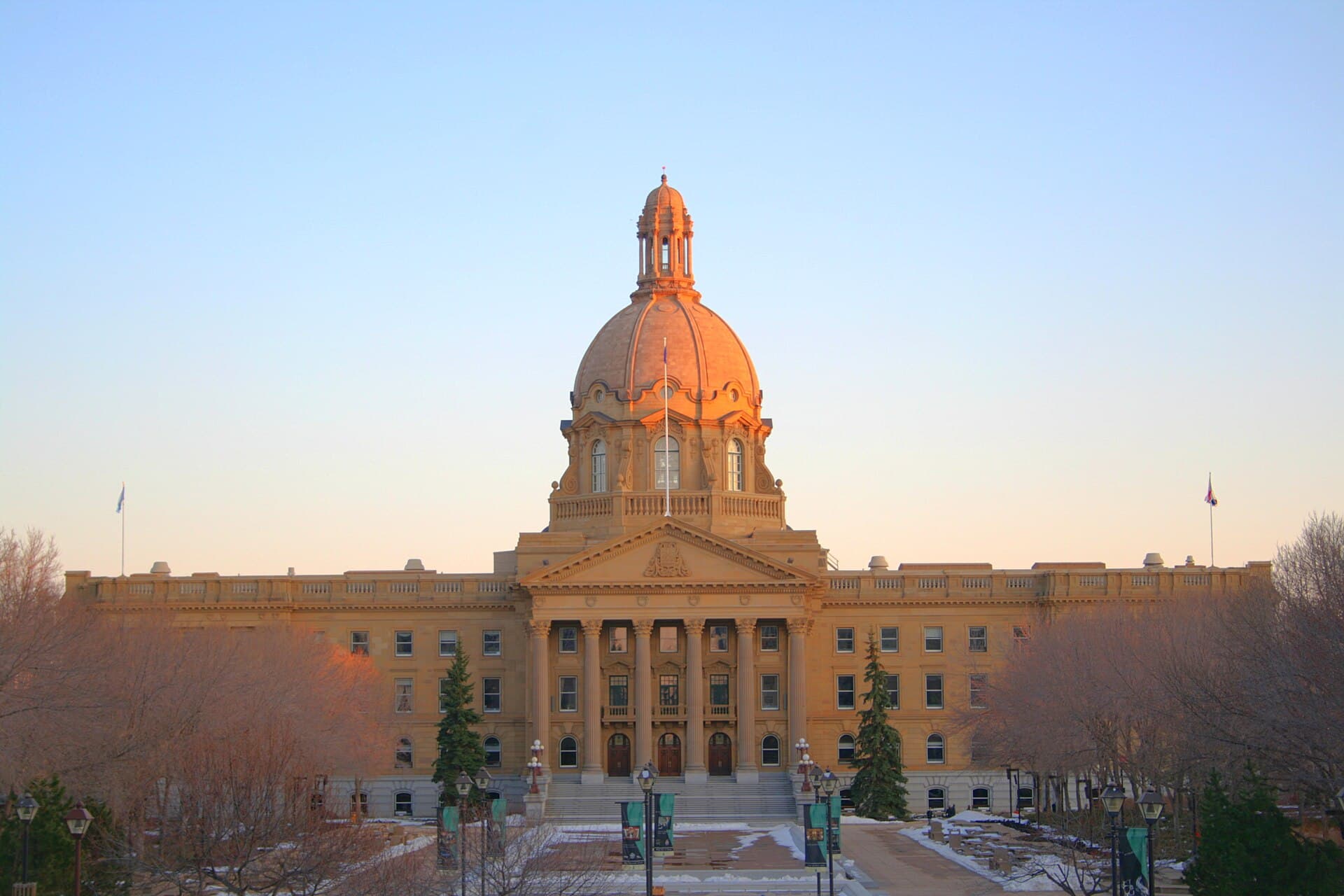
Alberta Premier Danielle Smith announced on May 21 that her government will put a question about the province's place in Canada to voters this autumn, escalating a national unity debate that has simmered since the spring federal election. In a televised address, Smith said a separation related question will be added as the latest item on a broader slate of referendum questions already scheduled for Albertans, framing the move as a way to let citizens, rather than politicians, settle a contentious issue.
What Smith announced
According to her televised remarks and subsequent reporting, the proposed question would ask whether Alberta should remain a province of Canada or whether the provincial government should begin the legal process required under the Canadian Constitution to hold a binding referendum on separating from Canada. The wording is deliberately layered, and that distinction matters a great deal.
The question, as described in initial reports, does not itself authorise separation. A vote in favour would, at most, instruct the Alberta government to start a constitutional process that would eventually lead to a separate, binding vote down the road. Several procedural steps, including legal review and potential court challenges, would sit between any autumn result and an actual decision on Alberta's future in the federation.
Smith presented the measure under Alberta's existing referendum legislation, which allows citizen initiated questions to reach the ballot once signature and verification thresholds are met. The separation question is being layered onto a referendum exercise that already includes several other policy questions, meaning Albertans could face a long ballot when they vote.
The context behind the move
Western alienation is not new, but it has intensified since Mark Carney's Liberals won a majority government in April. Many Albertans feel the federal government's energy and climate policies have hampered the province's resource economy, and the re election of a Liberal administration sharpened that frustration in some quarters. Smith has positioned herself as a defender of provincial autonomy while stopping short of personally endorsing separation.
The premier has repeatedly said she wants Alberta to remain in Canada, but on better terms. She has argued that giving voters a formal outlet for their grievances is preferable to letting resentment fester. Critics counter that even placing the question on a ballot legitimises an idea that polls suggest a majority of Albertans do not support, and risks economic and political instability.
The announcement also lands amid a fraught relationship between Ottawa and several provinces over how quickly major energy and infrastructure projects should be approved. For some Alberta voters, the referendum is less about leaving Canada than about extracting concessions on pipelines, equalisation and federal jurisdiction over resources.
How Ottawa responded
Prime Minister Carney responded the following day, emphasising that Alberta is essential to Canada and stressing the province's contributions to the national economy. According to his public comments, Carney avoided inflammatory language, instead reiterating that his government intends to work with all provinces on economic growth and energy development.
The prime minister's measured tone reflects a political calculation. A combative federal response could harden separatist sentiment, while engagement on Alberta's economic priorities, including faster project approvals and resource investment, could blunt the appeal of the referendum. Carney has made national economic unity a central theme of his early months in office.
Federal officials have generally pointed to the high constitutional bar for any province to leave Canada. The Supreme Court of Canada's 1998 reference on Quebec secession established that a clear question and a clear majority would be required, followed by negotiation, and that no province can unilaterally separate. Those principles would apply to Alberta as well.
Reaction from other premiers
Ontario Premier Doug Ford weighed in quickly, saying he would never put a separation question to Ontarians and warning that leaving Canada would be a disaster for Alberta. His comments underscored how isolated the separation push remains among Canada's other provincial leaders, even those who share Alberta's complaints about federal policy.
Other premiers have tended to frame the issue in economic terms, noting that Alberta benefits from access to the broader Canadian market, federal transfers in lean years, and shared institutions. The business community in Alberta has also voiced unease, warning that prolonged uncertainty over the province's constitutional status could deter investment at a delicate moment for the energy sector.
Within Alberta, opposition parties have criticised the government for entertaining the question at all, arguing it distracts from pressing concerns such as health care, affordability and economic diversification. Supporters of the measure, meanwhile, say it gives long ignored voters a democratic voice.
What it means for Canadians
For Canadians outside Alberta, the referendum raises uncomfortable questions about national cohesion at a time when the country is already navigating trade pressure from the United States and a fragile global economy. A drawn out debate over Alberta's status could complicate Ottawa's efforts to present a united front in trade negotiations and on the world stage.
Economically, Alberta is a cornerstone of the federation. The province is the heart of Canada's oil and gas industry, a major contributor to federal revenues, and home to fast growing cities. Any serious move toward separation would carry enormous implications for currency, debt, trade and the movement of people, though those scenarios remain distant and hypothetical.
It is important for readers to understand what the autumn vote does and does not do. Even a strong yes result would not separate Alberta from Canada. It would trigger a legal and political process whose outcome is far from certain, and which would require negotiation with the federal government and likely the courts.
What is still unconfirmed
Several details remain to be settled, including the precise final wording that will appear on the ballot and the exact date of the vote. Reports indicate the separation question is being attached to a referendum exercise scheduled for the autumn, but the government has signalled the language could still be refined before voters head to the polls.
Legal experts have cautioned that questions touching on constitutional change invite scrutiny, and challenges over wording or process are possible. Until the final question and date are formally confirmed, Albertans and observers across the country should treat specifics as provisional.
The economic stakes for Alberta
Alberta sits at the centre of Canada's resource economy, and its fortunes are deeply intertwined with the rest of the country. The province is the heart of the oil and gas industry, a leading contributor to federal revenues, and home to some of the country's fastest growing cities. That economic weight gives Alberta significant influence within Confederation, but it also makes the province acutely sensitive to federal policies on energy, pipelines and climate.
Much of the frustration animating the referendum push stems from a sense that those federal policies have constrained Alberta's growth. Producers have long complained about difficulty getting product to market, regulatory hurdles for new pipelines, and the burden of federal climate measures. For many Albertans, the referendum is a vehicle for airing grievances over economic policy as much as a question about constitutional status.
The province's business community, however, has voiced unease about the uncertainty the exercise could generate. Investors prize stability, and a prolonged debate over Alberta's place in Canada could give pause to those weighing major commitments. The tension between using the referendum as leverage and protecting the investment climate is one the provincial government will have to manage carefully.
The constitutional reality
Even setting aside the layered wording of the question, the path to any actual separation is long and uncertain. The Supreme Court of Canada's 1998 reference on Quebec secession established that no province can leave unilaterally, and that separation would require a clear question, a clear majority, and subsequent negotiation with the rest of Canada over issues ranging from debt to borders to citizenship.
Those principles, later reflected in federal legislation, set a high bar. A vote in favour of beginning the legal process would not change Alberta's status overnight, or anything close to it. It would instead open a complex constitutional and political process whose outcome could not be guaranteed, and which would unfold over years rather than months.
Legal scholars have noted that the very framing of the autumn question, which asks whether to start a process toward a future binding vote, reflects this reality. The exercise is, at this stage, about signalling and leverage as much as about any imminent change to Alberta's constitutional position.
What the polls suggest
Public opinion on separation has been mixed, and reporting suggests that a majority of Albertans do not currently support leaving Canada. The strength of attachment to the country, combined with awareness of the economic and practical complications, has tempered enthusiasm for outright separation even among those frustrated with Ottawa.
At the same time, a vocal minority has pushed the issue onto the agenda, and the sentiment is strong enough that the provincial government has chosen to give it a formal outlet. The gap between a committed core of supporters and a more sceptical broader public will shape both the campaign and the eventual result.
How the question is framed, how the campaigns unfold, and how Ottawa responds could all move those numbers. For now, the polling underscores that placing the question on the ballot is not the same as the province being on the verge of separation, a distinction that will be central to how the autumn vote is understood.
What is next
In the coming weeks, attention will focus on how the Alberta government finalises the ballot and how Ottawa calibrates its response. Carney's team is expected to continue emphasising economic partnership with the province while declining to escalate the rhetoric. Provincial opposition parties will press the government on the costs and risks of the exercise.
For now, the announcement guarantees that national unity will dominate Canadian political conversation through the summer and into the autumn. Whether the referendum ultimately strengthens Alberta's hand in negotiations with Ottawa or deepens divisions within the province and the country will not be clear until the votes are counted, and likely not even then.
Spotted an issue with this article?
Have something to say about this story?
Write a letter to the editor


Comments
Be the first to comment.