UK Labour Suffers Historic Losses as Reform UK Surges in Local Elections
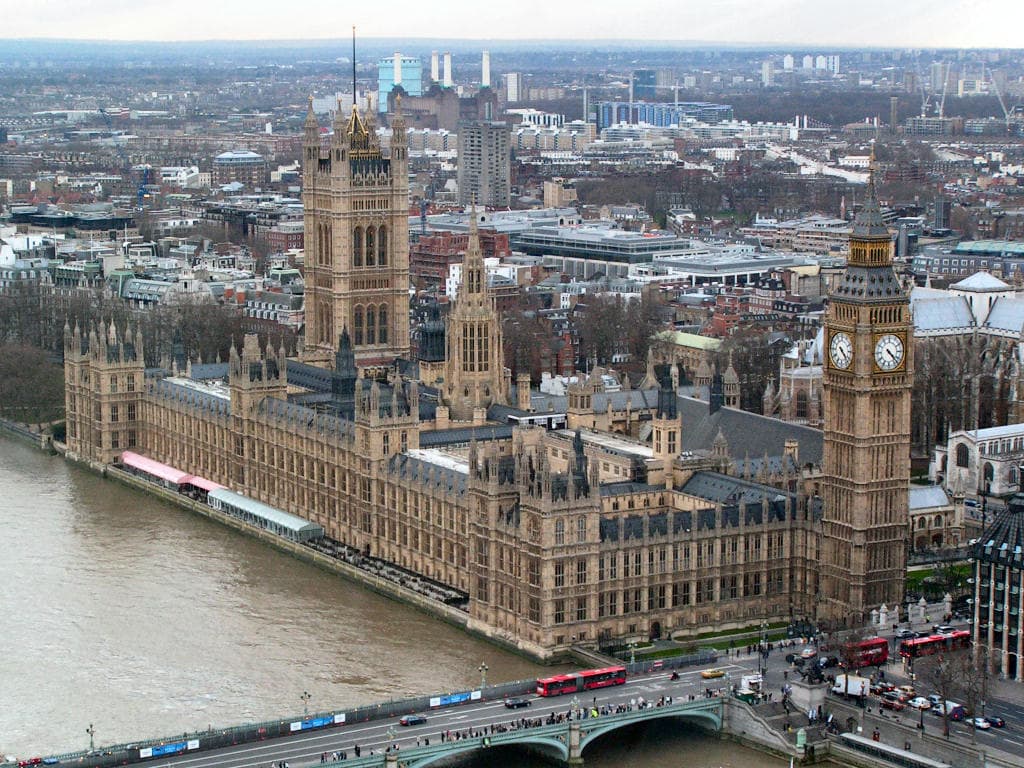
British Prime Minister Keir Starmer's Labour Party has suffered historic losses in local elections across the United Kingdom as Nigel Farage's Reform UK party surged to more than 1,400 additional seats, including new control of several local authorities. The results, delivered earlier this month, have reshaped British politics, created fresh complications for Canada's relationship with one of its closest allies and prompted speculation about Starmer's political future, even as the prime minister has insisted he will not resign.
What happened in the vote
The local and regional elections were held across Britain in early May, covering local council seats, mayoral races and several regional authorities. Labour won just over 1,000 of the seats contested, losing more than 1,100 seats it had previously held. The Conservative Party also suffered significant losses, while Reform UK gained more than 1,400 seats, taking control of multiple local authorities for the first time.
Reform UK took control of Essex county council in the south of England, won its first London local authority in Havering and added the northern English city of Sunderland to its growing roster of councils. Farage celebrated the results as evidence of what he called a historic shift in British politics, and the party's gains were particularly concentrated in working-class and post-industrial areas that had been longtime Labour strongholds.
The Green Party also made gains, and the Liberal Democrats added seats in parts of southern England. The overall picture was one of a fragmented political landscape in which the traditional two-party dominance has continued to fracture under the weight of voter dissatisfaction with the established parties.
Starmer's response
Prime Minister Starmer has insisted that he will not walk away from his position despite the scale of the losses. The Labour leader has framed the results as a challenging mid-term verdict on his government, rather than as a referendum on his leadership. He has signalled that the government will reassess its priorities and approach to communication with voters.
The defeat reflects the growing unpopularity of Starmer's tenure, which has been beset by a weak economy, backlash over his appointment of an ambassador with ties to convicted sex offender Jeffrey Epstein and a surge in antisemitism that the government has declared a national emergency. The cumulative impact of those issues has eroded the substantial parliamentary majority that Labour won in the July 2024 general election.
A general election will be held by mid-2029 at the latest under UK fixed parliament rules. The party is not under immediate constitutional pressure to call a vote, but the local election results have intensified internal Labour discussions about strategy, messaging and leadership.
Reform UK's rise
Reform UK, led by long-time Brexit advocate Nigel Farage, has continued its dramatic rise in British politics. The party has positioned itself as an alternative to both Labour and the Conservatives, drawing support from voters dissatisfied with the established parties on immigration, the economy, public services and broader cultural issues.
The party's electoral strength has been particularly notable in parts of England that were historically Labour strongholds but that have shifted away from Labour over the past decade. The combination of post-industrial economic decline and cultural concerns about immigration and identity has created an opening that Reform has exploited successfully.
Farage himself has continued to be a polarising figure in British politics. Allies have framed him as the most effective insurgent politician of his generation, while critics have warned that Reform's rise threatens to permanently realign British politics in ways that mirror the populist shifts seen in other Western democracies, including the United States under President Donald Trump.
What it means for Canadians
The political shifts in the United Kingdom have implications for Canada through multiple channels. The UK is one of Canada's most important diplomatic partners, and the two countries cooperate closely on defence, intelligence and economic policy. The instability in British politics complicates the long-term planning that has supported that cooperation across multiple decades.
The UK is also a significant trade partner for Canada, although the bilateral trade relationship has been complicated by the absence of a comprehensive post-Brexit trade agreement. Canada and the UK have continued to negotiate on trade matters, but a sustained political crisis in the UK could affect the pace and ambition of any future deal.
For Canadians of British origin, including the substantial UK diaspora community across Canada, the political developments have been followed closely. The UK remains an important cultural and family connection for many Canadians, and political instability in Britain has wider resonance across the country.
The Carney connection
Mark Carney, Canada's prime minister, has substantial personal experience in the United Kingdom from his time as Governor of the Bank of England between 2013 and 2020. Carney's UK tenure included his management of the Bank of England's response to the Brexit referendum, and his political base in Canada has been described in part by his experience navigating the UK's economic and political environment during that period.
Carney has avoided commenting publicly on the British political situation, in keeping with the standard practice of Canadian prime ministers in not commenting on partner-country domestic politics. However, the broader pattern of populist gains in Western democracies has been a regular feature of Carney's public commentary on the international economic and political environment.
Federal officials in Ottawa have continued to engage with their British counterparts at multiple levels, including through the close defence and intelligence cooperation that has long characterised the Canada-UK relationship. Those working-level relationships have remained stable through the British political turbulence.
The European context
The British political shifts have come at a moment of broader political reshaping across Europe. France, Germany, Italy and several other European countries have all seen significant gains by populist parties on both the right and left over the past several years. Reform UK's success fits into a broader Western pattern that has continued to reshape political competition in established democracies.
The European Union itself has continued to navigate a complex political environment, with the bloc adopting its 20th package of sanctions on Russia in April and continuing to manage the financial support framework for Ukraine. The role of the United Kingdom in European security cooperation has continued to be significant, despite the UK's status outside the EU.
The UK has continued to participate in the broader European response to Russian aggression and to coordinate with European partners on a range of foreign policy issues. Domestic political turbulence in the UK has not significantly disrupted those cooperation patterns, although a more sustained political crisis could begin to do so.
The Conservative collapse
The Conservative Party, which led the UK government for fourteen years before its defeat in July 2024, has continued to struggle to redefine itself in opposition. The Conservatives also lost significant numbers of seats in the local elections, suggesting that Reform's gains have come at the expense of both Labour and the Conservatives rather than predominantly from one or the other.
The Conservative leadership has continued to debate the appropriate response to Reform's rise, with some figures advocating closer cooperation with Farage's party and others insisting that the Conservatives must maintain a distinct identity. The party's internal debate is expected to continue through the coming months as the leadership group adapts to the new political environment.
The fragmented nature of British politics, with five or more parties competing seriously for seats in many constituencies, has continued to complicate electoral arithmetic. Under the first-past-the-post electoral system, even moderate shifts in voter behaviour can produce dramatic swings in seat numbers, as the Reform UK results have demonstrated.
What's next
Starmer's government is expected to undertake a strategic reassessment in coming weeks, including possible cabinet adjustments and policy refinements. The prime minister has indicated that he intends to focus on delivery of core government priorities, including on the economy, the health service and immigration policy.
For Reform UK, the next test will be whether the party can translate local council gains into sustained electoral strength at the national level. The party has indicated that it intends to contest by-elections aggressively and to build national infrastructure capable of contesting a general election.
For Canada, the British political situation will continue to be monitored closely. The Carney government has signalled that it intends to maintain the close UK-Canada relationship across political cycles, with continued engagement on defence, trade and intelligence cooperation regardless of the domestic political dynamics in London.
Spotted an issue with this article?
Have something to say about this story?
Write a letter to the editor


Comments
Be the first to comment.