Canada Deepens European Defence Ties as NATO Spending Soars
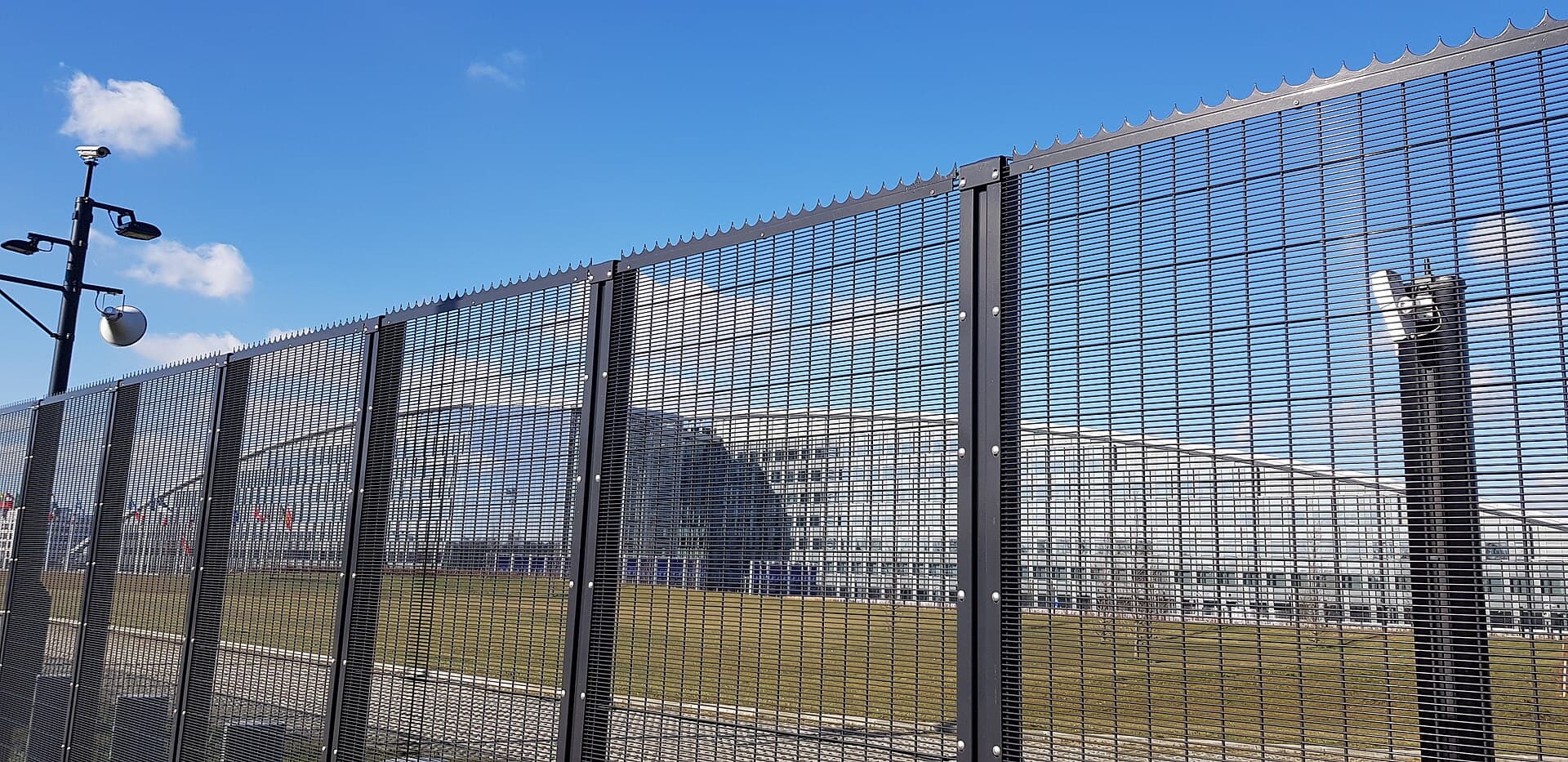
Canada is in the midst of a historic expansion of its defence commitments, having reached NATO's longstanding spending benchmark and pledged to climb far higher over the next decade. Alongside the spending ramp, Ottawa is deepening defence industrial ties with European partners, part of a broader strategic pivot as the Western alliance undertakes its most ambitious rearmament in a generation.
Hitting the target
Earlier this year, Prime Minister Mark Carney announced that Canada had reached NATO's target of spending two per cent of gross domestic product on defence, a benchmark the country had long fallen short of and faced repeated criticism for missing. Officials described it as the highest level of defence investment relative to the economy in decades.
Carney framed reaching the two per cent threshold as a foundational step in renewing Canada's defence and a clear statement of resolve in a more dangerous world. The achievement addressed a persistent source of friction with allies, particularly the United States, which had pressed Canada to spend more on its military.
Yet hitting two per cent is only the beginning. The benchmark that once defined the debate has been overtaken by far more ambitious targets, reflecting a transformed security environment in which allied nations are rapidly expanding their militaries in response to threats from Russia and beyond.
A steep new path
NATO members, including Canada, have committed to dramatically increasing defence spending toward a target of five per cent of gross domestic product over the next decade. For Canada, reaching that level would mean defence spending on the order of roughly one hundred and fifty billion dollars a year, an enormous increase from current levels.
The five per cent figure is understood to encompass both core defence spending and a broader category of defence and security related investments, including infrastructure. Carney has spoken of accelerating toward higher core spending while directing additional resources to security related investments, signalling a sustained, long term commitment.
That trajectory represents a profound shift in Canadian priorities. Building up the military, modernising equipment and investing in defence infrastructure will require sustained political will and significant resources, with implications for budgets and fiscal choices for years to come.
Turning toward Europe
A central element of Canada's strategy is deeper cooperation with European partners. Canada has moved to join European defence initiatives, including a major European programme aimed at strengthening the continent's defence readiness, opening new avenues for Canadian participation in European defence industry and procurement.
That pivot reflects both opportunity and necessity. As uncertainty clouds the relationship with Washington, Ottawa has sought to diversify its partnerships and align with allies who share its strategic outlook. Closer ties with Europe offer access to industrial collaboration, joint procurement and a hedge against overreliance on a single ally.
The European turn also fits a broader pattern in Canadian foreign policy, which has emphasised building resilient, diversified relationships in a more uncertain world. For the defence sector, the partnerships promise new markets and collaboration opportunities, strengthening Canada's industrial base alongside its military capabilities.
The strategic backdrop
The rearmament drive is being propelled by a security environment that allied leaders describe as the most dangerous in decades. Russia's war in Ukraine has reshaped European defence thinking, prompting a surge in military spending and a renewed commitment to collective defence across the alliance.
Canada has positioned itself as a contributor to that effort, pledging to step up support for Ukraine and to invest in its own capabilities. The country's vast Arctic territory and its role in continental defence add further dimensions to its strategic responsibilities, reinforcing the case for greater investment.
The convergence of these pressures, the war in Europe, tensions with Washington and the demands of Arctic and continental defence, has produced a rare moment of consensus on the need to rebuild Canadian military strength after years of underinvestment.
What it means for Canadians
The defence build up carries significant implications for Canadians. The sums involved are vast, and committing a far larger share of the economy to defence will require difficult fiscal choices, potentially affecting other priorities and shaping budget debates for years.
At the same time, the investments promise economic benefits. Defence spending can support jobs, industrial capacity and innovation, particularly as Canada deepens its participation in international defence programmes. The challenge for the government is to ensure that the spending delivers genuine capability and value, not merely higher numbers.
There is also a broader question of national purpose. The rearmament reflects a recognition that Canada must take greater responsibility for its own security in a world where old certainties have eroded. How Canadians weigh the costs and benefits of that shift will shape the political debate over defence in the years ahead.
Europe's historic rearmament
Canada's pivot toward Europe is unfolding amid the continent's most significant military buildup in generations. Spurred by the war in Ukraine and by uncertainty over the reliability of American security guarantees, European nations have committed to dramatic increases in defence spending and to new initiatives aimed at strengthening the continent's collective readiness.
Those efforts have created openings for partners like Canada to participate in European defence programmes and industrial collaboration. By aligning with this rearmament, Canada can access new opportunities while contributing to a broader Western effort to deter aggression and bolster collective security at a moment of heightened threat.
The convergence of Canadian and European interests reflects a shared response to a more dangerous environment and to the uncertainties surrounding the United States. For Canada, deepening ties with Europe offers both strategic alignment and practical benefits, reinforcing a partnership with allies who share its outlook and concerns.
Building the industrial base
A key dimension of the defence buildup is its potential to strengthen Canada's defence industrial base. Participation in European programmes and increased domestic spending can support manufacturing, innovation and skilled employment, turning defence investment into an economic as well as a strategic asset. The government has emphasised the opportunities for Canadian industry.
Realising those benefits requires careful planning to ensure that spending translates into genuine capability and value rather than simply higher costs. Procurement decisions, long a source of difficulty in Canadian defence policy, will be critical, as will the ability to develop and sustain domestic industrial capacity over the long term.
The opportunities extend across sectors, from shipbuilding to aerospace to advanced technologies. By integrating into international defence supply chains and programmes, Canadian firms can access larger markets and collaborative opportunities, strengthening the industrial foundation on which the country's military capability depends.
From spending targets to real capability
Hitting spending benchmarks is only meaningful if the money produces real military capability. The challenge for Canada is to ensure that its dramatically increased defence budgets translate into effective forces, modern equipment and the readiness to respond to threats, rather than being absorbed by inefficiency or delay.
That requires reforming procurement, addressing personnel shortages and making strategic choices about priorities. Canada's military has faced challenges with recruitment, equipment readiness and the slow pace of acquisitions, and the influx of new resources will test the system's ability to spend effectively and to build capability at the scale and speed required.
The ultimate measure of the rearmament will be whether it leaves Canada genuinely better able to defend itself and to contribute to allied efforts. Meeting that test will demand sustained attention to the difficult work of turning budgets into forces, a challenge that extends well beyond the headline spending figures.
A commitment spanning a decade
The path to the new spending targets stretches over a decade, requiring sustained commitment across multiple budgets and likely successive governments. Maintaining that trajectory through changing economic conditions and political cycles will be a significant challenge, and the durability of the commitment will be tested over time.
Sustaining public support will also matter. While there is broad recognition of the need to strengthen Canada's defences, the scale of the spending involved is substantial, and competing priorities will inevitably press for attention. Demonstrating that the investments deliver real security and value will be important to maintaining the political consensus behind them.
For now, Canada has set a clear direction, reaching the long elusive spending benchmark and committing to a far more ambitious path while deepening its partnership with Europe. Whether that direction holds, and whether it produces the capability and security it promises, will become clearer in the years ahead as pledges are translated into action and the strategic environment continues to evolve.
What is next
The path to the new spending targets will unfold over a decade, requiring sustained commitment across successive budgets and, likely, governments. The coming years will test whether Canada can translate its pledges into real capability while managing the fiscal and political demands involved.
For now, Canada has signalled a decisive turn toward greater defence investment and deeper European partnership. As the alliance rearms and the security environment remains volatile, the choices Ottawa makes on defence will be central to the country's role in the world and its ability to protect its interests at home and abroad.
For Canadians, the defence buildup and the turn toward Europe represent a recalibration of the country's place in the world, one shaped by hard lessons about the limits of relying on a single ally. The choices made in the coming years, on spending, procurement and partnerships, will determine whether Canada emerges with a stronger, more independent defence posture or whether the ambitious targets give way to the familiar pattern of underinvestment. For now, the direction is clear, and the partnership with Europe offers both opportunity and a hedge against uncertainty. The challenge that remains is execution, the difficult and unglamorous work of turning commitments into genuine capability over the long term.
Spotted an issue with this article?
Have something to say about this story?
Write a letter to the editor


Comments
Be the first to comment.