Gaza Ceasefire Stalls Past Six Months as Canada Pushes for Next Phase
More than six months after the October 10, 2025 ceasefire began in Gaza, the broader 20-point peace plan announced by U.S. President Donald Trump has largely stalled beyond its initial provisions. All hostages have been returned, Israel has held a positional line within the territory, and more than 700 Palestinians and four Israelis have been killed since the agreement took effect. Canada continues to press for implementation of later phases, including reconstruction and political progress.
What was achieved
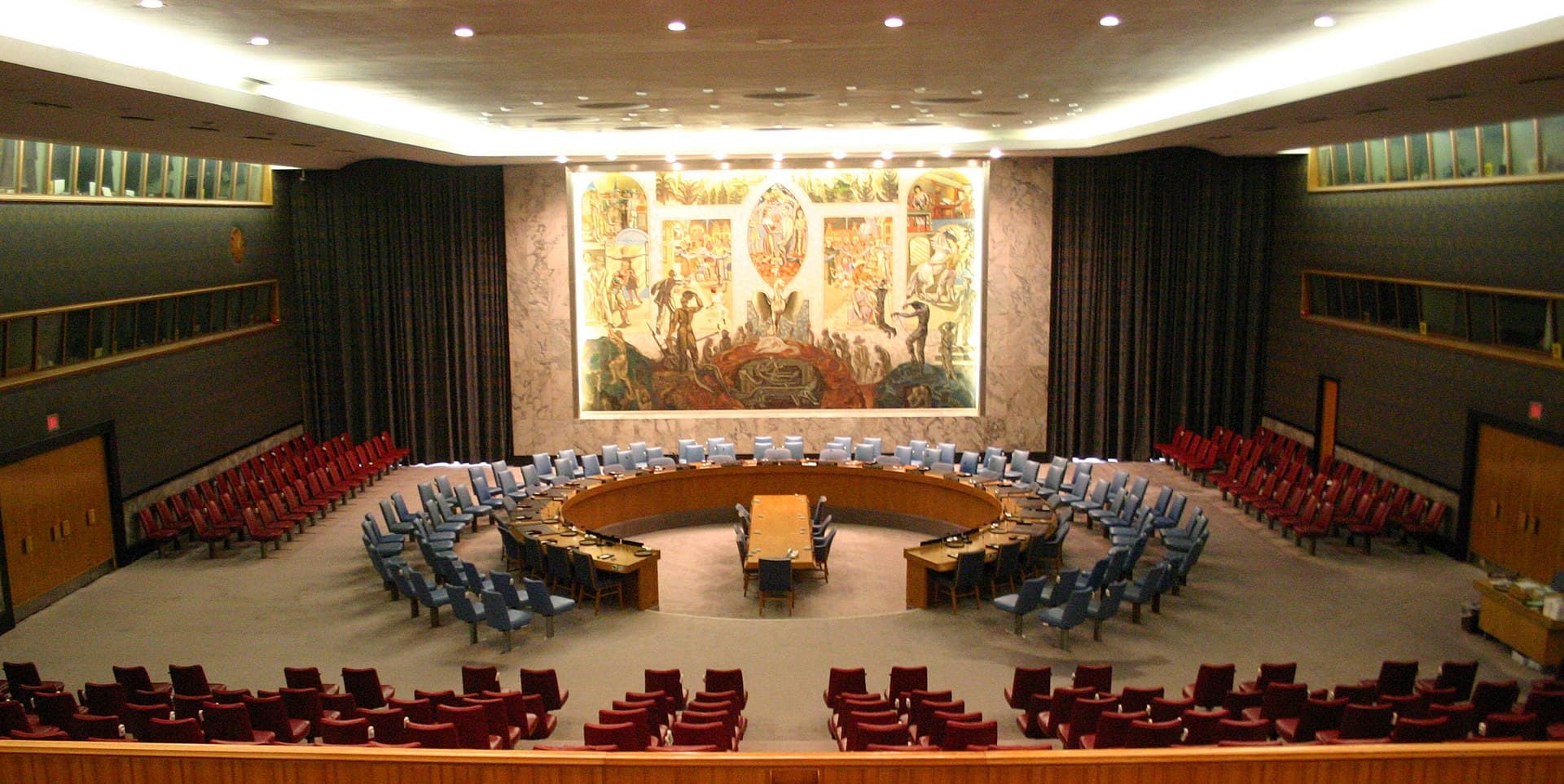
The first part of the peace plan, formally titled the "Implementation Steps for President Trump's Proposal for a Comprehensive End of Gaza War," was signed by Israel and Hamas on October 9, 2025, in Sharm el Sheikh, Egypt. It came into effect the following day and was endorsed by the United Nations Security Council on November 17.
The agreement secured a pause in active combat operations in most of Gaza, a surge in humanitarian aid, and a phased hostage and prisoner exchange. The body of the last hostage, Ran Gvili, was recovered by Israeli forces from a cemetery in northern Gaza on January 26, 2026, with the Israel Defense Forces declaring that all hostages had been returned.
What has not happened
The next phases of the plan, particularly Hamas disarmament and Israeli withdrawal from the so-called "yellow line" inside Gaza, have not progressed. A May 2026 report from The Jerusalem Post said Israel had told a senior UN envoy that it would not withdraw from the yellow line.
Senior Hamas negotiator Basem Naim told U.S. media last month that Hamas would be willing to lay down and "store" its weapons for a period of up to 10 years, on certain conditions, including guarantees that Israel would not attack and a political path toward a Palestinian state. Those conditions have not been agreed upon.
The fragile arrangement has held in most respects, but the broader transition envisioned in the original 20-point framework has not.
The Canadian humanitarian response
Canada has continued to provide humanitarian assistance to Gaza, including through UN agencies, Canadian non-governmental organisations, and partner governments. Foreign Affairs Minister Mélanie Joly has publicly emphasised the importance of unimpeded humanitarian access and a credible path toward reconstruction.
Canadian humanitarian organisations, including the Canadian Red Cross and several other NGOs, have continued operations in the region. The federal government has also funded UN agencies, including UNICEF and the World Food Programme, that play central roles in Gaza relief.
The humanitarian situation in Gaza remains acute, with civilian infrastructure heavily damaged, displaced populations housed in temporary shelters, and reconstruction barely begun. Canadian officials have argued that the fragility of the broader political situation cannot be allowed to halt the humanitarian effort.
Canadian diplomatic engagement
The Carney government has supported the U.S.-led ceasefire framework while pressing for the next stages of the plan. Canada has worked with allies in the G7, the European Union, and the Arab League on a coordinated approach.
Joly has met multiple times with counterparts from Egypt, Jordan, Saudi Arabia, the United Arab Emirates, and Israel, as well as with Palestinian Authority officials. The Canadian position has emphasised a two-state framework, security for Israel, and a credible governance and reconstruction path for Gaza.
Canadian Jewish and Palestinian communities
Canada is home to substantial Jewish and Palestinian communities, both deeply affected by the conflict. Jewish Canadian organisations have continued to advocate for the return of all hostages, the security of Israel, and the prosecution of those responsible for the October 7, 2023 attacks. Palestinian Canadian organisations have called for an end to the broader military operation, immediate humanitarian relief, and a political path to a Palestinian state.
Both communities have reported increased experiences of harassment and discrimination through the conflict period. The federal government has emphasised support for both communities and has funded security infrastructure for places of worship and community centres.
Antisemitism and Islamophobia in Canada
Reports of antisemitic and Islamophobic incidents have remained elevated in Canada through the conflict. Police-reported hate crimes targeting both communities have continued at levels well above pre-2023 baselines.
The federal government has expanded funding for community security and for educational and prevention programs. Provincial governments have introduced their own measures. Civil society organisations have continued to call for stronger responses and clearer political leadership.
The role of Egypt, Qatar, and the Arab world
Egypt, Qatar, Jordan, and other Arab states have continued to play central roles as mediators and as potential contributors to reconstruction. Egypt's geographic position adjacent to Gaza has given it unique influence in implementation discussions. Qatar's diplomatic networks have facilitated direct conversations with Hamas.
The broader Arab League framework has been engaged on regional security architecture, governance models for Gaza, and pathways to a Palestinian state. Canadian officials have engaged with this network as part of Canada's overall Middle East posture.
Foreign Affairs Minister Mélanie Joly has had regular contact with counterparts in Cairo, Doha, Amman, and Riyadh. The Canadian diplomatic presence in the region remains substantial, with embassies and missions providing on-the-ground engagement.
UNRWA and humanitarian agencies
The United Nations Relief and Works Agency for Palestine Refugees has continued to operate in Gaza despite Israeli concerns about the agency's role. The agency's operations have been a focus of international debate, with funders, including Canada, evaluating their support.
The Canadian government has maintained funding to humanitarian operations in Gaza while navigating concerns about specific institutional arrangements. The broader humanitarian architecture, including the World Food Programme, UNICEF, and partner organisations, remains essential to delivering aid.
Reconstruction and the long path forward
Reconstruction in Gaza is one of the central unresolved questions of the peace framework. Cost estimates run into the tens of billions of dollars, and the source of funding has not been determined. Arab states, the European Union, and international financial institutions have been discussed as potential contributors, but commitments remain conditional on political progress.
Canada has signalled willingness to contribute to a credible reconstruction effort, particularly if it includes clear governance arrangements and protections for humanitarian operations.
The connection to other Middle East files
The Gaza ceasefire intersects with broader Middle East diplomacy, including the U.S.-Iran nuclear talks and the reopening of the Strait of Hormuz. A more durable regional security architecture would require progress on all these tracks, not just one.
Canadian officials have emphasised the interconnected nature of these files in coordination with allies. The Carney government has not signalled any major shift in Canadian Middle East policy and continues to follow the broad alignment with allied governments while emphasising humanitarian principles and a two-state outcome.
Domestic political dimension
Middle East policy has continued to feature in Canadian political debate. The Conservative opposition has pressed the government on its handling of antisemitism, on Hamas designations, and on the broader posture toward Israel. The New Democrats have pushed for stronger criticism of Israeli operations and for more robust humanitarian commitments. The Bloc Québécois has emphasised diplomatic engagement and humanitarian aid.
The Liberal government has generally held a middle position, supporting Israel's security, calling for restraint, supporting the ceasefire, and pushing for humanitarian access and a political path forward.
UN voting and Canadian positioning
Canada's voting record at the United Nations on Middle East resolutions has continued to draw scrutiny from both supporters and critics. The Carney government has generally maintained continuity with previous Liberal positioning, supporting humanitarian provisions and two-state framework references while declining to support resolutions perceived as one-sided.
The UN General Assembly and the Human Rights Council have both been focal points for these debates. Canadian diplomats have continued to work on the wording of resolutions and on coordinated allied positions, even where outcomes have been contested.
The economic and trade picture
While the direct economic impact on Canada is limited, the broader Middle East tensions, including the Iran conflict, have shaped energy prices, inflation, and trade flows. Canadian exporters of food, agricultural inputs, and certain manufactured goods to the region have faced both opportunity and disruption.
The West Bank dimension
Even as Gaza dominates international attention, the West Bank has continued to see significant tensions, including expanded Israeli settlement activity, periodic clashes, and questions about the future of the Palestinian Authority. Canadian officials have repeatedly raised concerns about settlement expansion and its implications for a two-state outcome.
The broader picture in the West Bank remains an essential element of any durable Middle East settlement. The Carney government has continued to engage with the Palestinian Authority and with Israeli counterparts on these questions in coordination with allied governments.
The Lebanon and Syria backdrop
Lebanon and Syria continue to provide context for the broader regional outlook. The fragile Lebanese political situation, the post-conflict transitions in Syria, and the role of Hezbollah and other armed factions all interact with Israeli, Palestinian, and Iranian considerations.
Canadian engagement with Lebanon includes substantial diaspora connections, humanitarian funding, and diplomatic relations. The Syrian file has been more limited in Canadian engagement, though humanitarian assistance has continued through partner agencies.
What's next
The diplomatic agenda over the coming months includes pushing for the next phases of the Gaza plan, sustaining humanitarian operations, and integrating Middle East policy with broader regional questions, including Iran and Lebanon.
For Canada, the role will continue to be supportive of allies, focused on humanitarian principles, and connected to domestic considerations around the well-being of affected communities. Joly has signalled that Canada will use its UN and G7 platforms to keep pressure on all parties to move toward a durable resolution.
The hostages are home. Active combat has largely paused. But the path to a durable end to the Gaza war remains long, and the international community, including Canada, has substantial work ahead.
Spotted an issue with this article?
Have something to say about this story?
Write a letter to the editor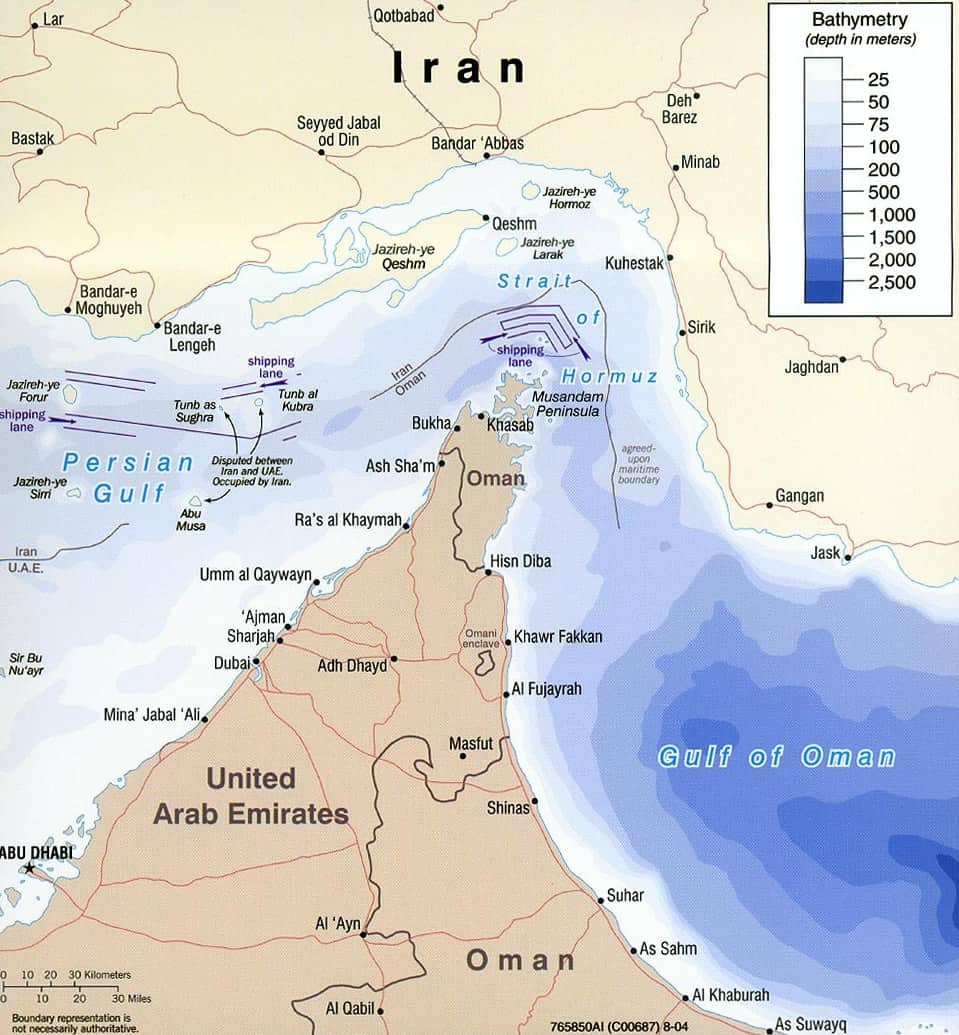


Comments
Be the first to comment.