Iran War Keeps Energy Markets on Edge, and Canada Feels the Pinch
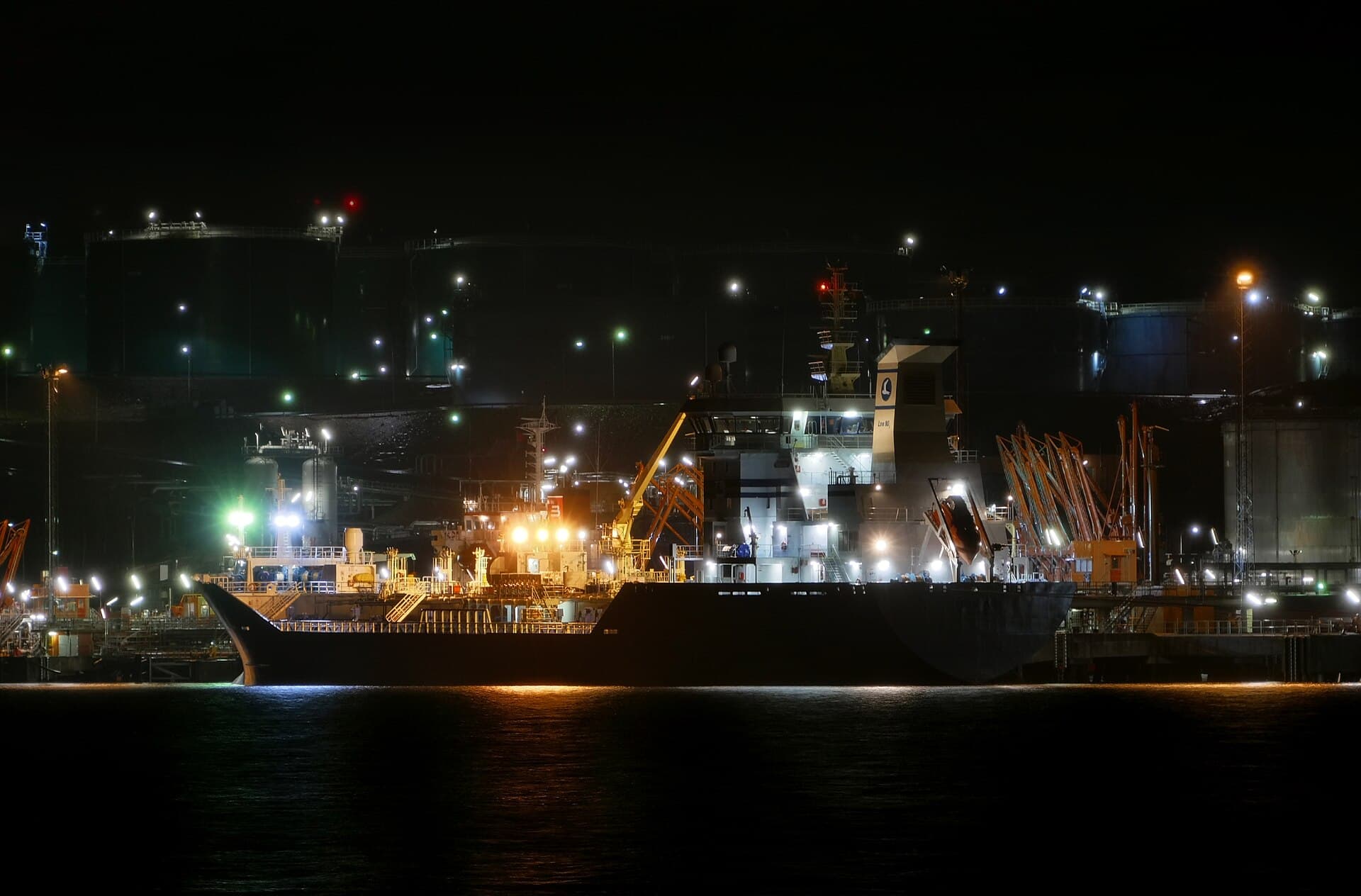
Months after it began, the war in Iran continues to send shockwaves through global energy markets, and Canadians are feeling the consequences at the gas pump, in the grocery aisle and in the broader cost of living. What started as a distant conflict has become a defining force in the Canadian economy, lifting fuel prices, pushing up inflation and reshaping the national conversation about energy security in ways that will be felt for years.
A conflict with global reach
The war erupted earlier this year with a series of strikes against Iran, and according to reports it killed several senior Iranian figures, including the country's longtime supreme leader. The conflict quickly escalated into one of the most serious disruptions to global energy supplies in decades, with consequences that have rippled far beyond the Middle East and into economies around the world, including Canada's.
Central to the turmoil was the Strait of Hormuz, the narrow waterway through which a large share of the world's seaborne oil passes. Its disruption for a period earlier in the conflict triggered alarm across energy markets, given how much global supply depends on the safe passage of tankers through that chokepoint, and any threat to it sends prices spiking almost instantly.
The International Energy Agency has described the resulting situation as one of the largest supply disruptions in the history of the global oil market, with the head of the agency characterising it as among the gravest energy security challenges the world has faced. The assessment underscored how a regional war can reverberate through the global economy and reach into the daily lives of consumers far from the fighting.
How it reaches Canadian wallets
For Canadians, the most direct effect has been at the pump. Because domestic fuel prices are tied to international benchmarks, the surge in global crude prices has translated quickly into higher costs at the gas station, regardless of how much oil Canada itself produces. That increase has been a major driver of recent inflation and a constant reminder of the country's exposure to global forces.
The country's annual inflation rate climbed to its highest level in two years in the most recent reading, with energy costs the dominant factor. Transportation expenses jumped sharply, and the effects have spread into the broader economy as higher fuel costs raise the price of moving goods, feeding through to the prices households pay for everyday items from groceries to consumer products.
The disruption has not been limited to oil. Markets for liquefied natural gas and for fertiliser inputs such as urea have also been affected, with implications for Canadian farmers facing higher costs for the materials they depend on. The squeeze on agriculture adds another channel through which the distant war reaches Canadian life, threatening to raise food production costs and, ultimately, prices.
The price outlook
Forecasters expect the elevated prices to persist in the near term before easing. Analysts have projected that the global benchmark could average well above recent norms in the current quarter, potentially reaching levels not seen in years, before drifting lower toward the end of the year as supplies stabilise and markets adjust to the new reality of disrupted flows from the region.
That trajectory, however, depends heavily on the course of the conflict. A renewed escalation, particularly anything that again threatened the flow of oil through key shipping lanes, could send prices spiking once more, while a durable de-escalation would accelerate the decline. The uncertainty makes planning difficult for governments, businesses and households alike, leaving the outlook unusually clouded.
Diplomatic efforts to resolve the underlying conflict have struggled to gain traction, with talks involving the United States and Iran described as stalled. As long as the political situation remains unresolved, the risk of further market volatility hangs over the global economy and over Canadian consumers, who have little choice but to absorb whatever the markets deliver.
Reshaping the energy debate at home
The war has profoundly altered the domestic energy conversation. The prime minister has invoked the global crisis to argue that Canada should expand its role as a reliable supplier of oil and gas to allies and trading partners, using the moment to press for new pipeline capacity and faster approvals of major energy projects across the country.
That argument has gained traction in some quarters, lending urgency to long-running debates over getting Canadian resources to tidewater. Supporters contend that a more secure and diversified global supply, with Canada playing a larger part, would reduce the world's vulnerability to disruptions like the current one and strengthen the country's standing as an energy power.
Critics, however, caution that building new fossil fuel infrastructure would do little to insulate Canadian consumers from the global price swings now driving inflation, and that committing to decades of new oil exports sits uneasily with climate commitments. The crisis has sharpened both sides of a debate that was already central to Canadian politics, raising the stakes of decisions that will shape the country's energy future.
The diaspora and humanitarian dimension
Beyond economics, the conflict carries a human dimension for Canada, home to communities with deep ties to Iran and the wider region. For many Iranian Canadians, the war has been a source of anguish, with concerns for relatives and friends caught up in the violence and uncertainty about the country's future weighing heavily on families across the country.
Canada has long maintained a complicated relationship with Iran, and the conflict has added new layers of difficulty for diaspora communities navigating fears for loved ones abroad alongside their lives at home. The emotional toll is a reminder that global conflicts are felt personally by Canadians with connections to the affected regions, far beyond the abstractions of markets and policy.
The humanitarian consequences of the war, including civilian suffering and displacement, have also drawn the attention of Canadian aid organisations and advocates. How Canada responds diplomatically and through humanitarian channels remains a live question as the conflict drags on, and one that engages the country's values as well as its interests.
Canada's longer-term exposure
The crisis has prompted a deeper reckoning with how exposed Canada remains to global energy shocks despite its status as a major producer. The paradox is well known to economists: Canadian oil trades on world markets, so domestic consumers pay international prices even though the country pumps far more than it uses. Much of Canada's production is landlocked or flows south to the United States, limiting the country's ability to capture the full value of its resources or to shield its own consumers from price swings. The current episode has thrown that structural vulnerability into sharp relief and given fresh ammunition to those who argue for new infrastructure and markets.
The disruption has also highlighted Canada's reliance on imported refined products and on global supply chains for fuels and inputs. Regional fuel markets within the country can be tight, and disruptions abroad ripple through to prices and availability at home in ways that are not always intuitive for a resource-rich nation. Building resilience into those systems, from refining capacity to strategic reserves, has become part of the policy conversation that the war has reignited, though such measures would take years and considerable investment to implement.
For the agricultural sector, the stakes extend beyond fuel. Higher costs for fertiliser and energy raise the price of producing food, squeezing farmers and, eventually, consumers. Canada is a major agricultural exporter, and disruptions that raise input costs can affect both the competitiveness of its producers and the prices Canadians pay at the grocery store. The interconnection between energy markets and food security is a reminder that the consequences of the conflict reach well beyond the gas pump and into the broader cost of living.
The episode has lent urgency to longer-term questions about Canada's energy future, including the pace of the transition away from fossil fuels. Some argue the crisis demonstrates the continued importance of reliable conventional energy and the case for expanding Canadian production, while others contend it underscores the risks of dependence on volatile global commodity markets and the value of accelerating the shift to domestic, lower-carbon sources. The war has not resolved that debate, but it has sharpened it and ensured that energy will remain at the centre of Canadian policy for the foreseeable future.
Coordination with allies will also shape Canada's response in the months ahead. Major energy-consuming nations have mechanisms for sharing information and, in extreme cases, releasing reserves to calm markets, and Canada participates in those efforts as both a producer and a consumer. The crisis has prompted renewed discussion among allied governments about energy security, supply diversification and the resilience of global markets, conversations in which Canada has an interest as a country that both exports and imports energy products. How those collective efforts unfold could influence the trajectory of prices and the broader stability that Canadian households and businesses depend upon.
What's next
The path ahead hinges on whether the conflict moves toward resolution or further escalation. A de-escalation would ease the pressure on energy markets and, in time, on Canadian inflation, while a worsening of the war would prolong the strain on households and the broader economy and keep prices elevated for longer.
At home, the government faces continued pressure to cushion the impact, having already moved to temporarily reduce fuel taxes and provide affordability support. Whether such measures are extended will depend in part on how long the elevated prices persist and on the broader fiscal picture, as Ottawa weighs relief against its deficit targets.
For Canadians, the war in Iran has underscored how tightly the domestic economy is woven into global events. Until the conflict finds a resolution, the price of energy, and the cost of living that tracks it, will remain bound to the fortunes of a war far from Canada's shores, a dependence that the country's leaders are now scrambling to address.
Spotted an issue with this article?
Have something to say about this story?
Write a letter to the editor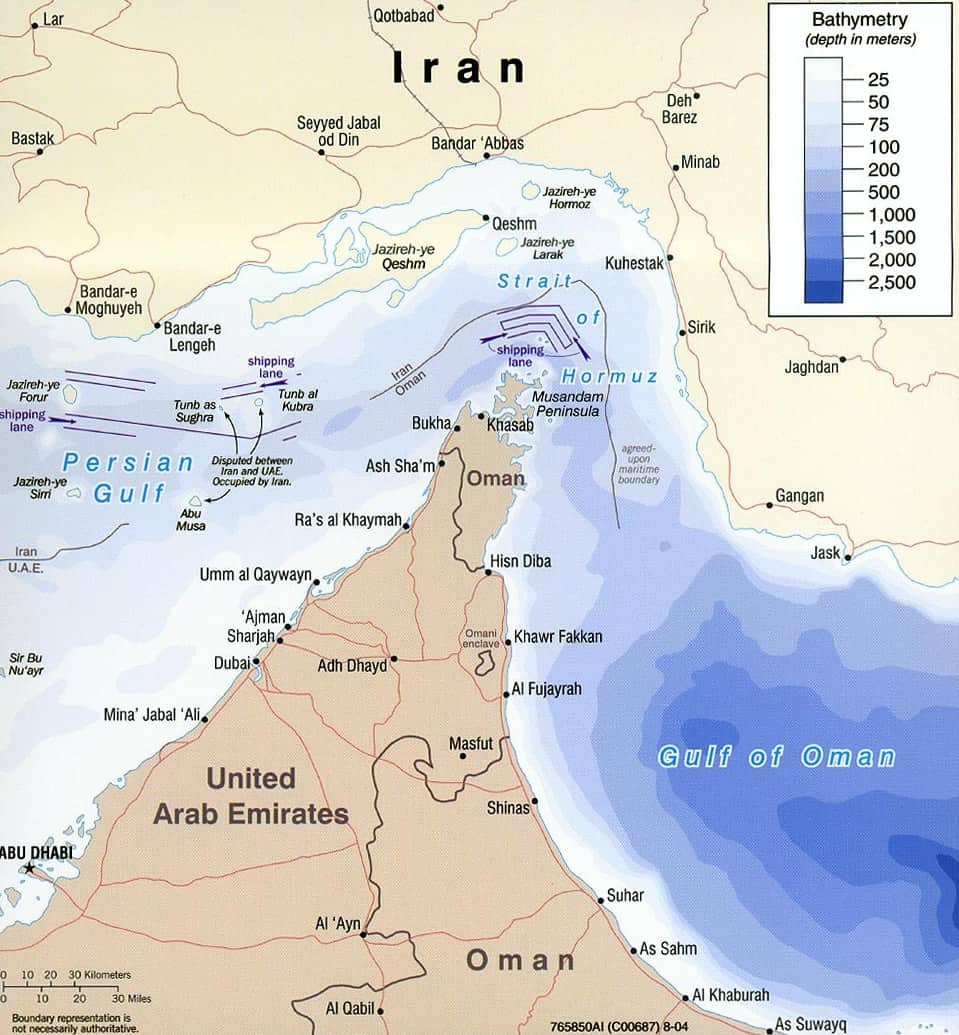


Comments
Be the first to comment.