Middle East War Keeps Oil Near $100, Squeezing Canadian Wallets at the Pump

A war in the Middle East has kept global oil prices stubbornly high, with the international benchmark hovering around the 100 dollar mark and feeding into the cost of nearly everything Canadians buy. The conflict, which has disrupted energy markets since earlier this year, is being felt at Canadian gas pumps, in grocery bills and in the calculations of the central bank, even as it delivers a windfall to the country's oil-producing regions.
Oil prices stay elevated
The international oil benchmark has traded around 100 dollars a barrel in recent weeks, well above the levels that prevailed before the conflict escalated. Prices have fluctuated with the news, easing on hopes of diplomacy and spiking on fears of disruption, but the overall trend has kept energy costs elevated.
Forecasters have suggested prices are likely to remain high in the near term, reflecting the persistent risk premium attached to Middle Eastern supply. Energy markets are acutely sensitive to anything that threatens the flow of oil from the region, and the ongoing conflict has injected exactly that kind of uncertainty.
A central concern is the Strait of Hormuz, the narrow waterway through which a large share of the world's seaborne oil passes. Any threat to traffic through that chokepoint sends prices higher, and the possibility of disruption has hung over markets throughout the conflict, amplifying volatility.
The conflict driving the shock
The price pressure stems from a war involving Israel, the United States and Iran that erupted earlier this year and has reverberated across the region. The conflict has, according to reports, struck energy facilities and disrupted production in several countries, raising fears of broader and prolonged supply problems.
The details of the fighting remain difficult to verify independently, and the situation has shifted with periods of escalation and tentative steps toward de-escalation. What is clear is that the conflict has rattled energy markets and aviation and rippled through the global economy, with effects concentrated in regions dependent on Middle Eastern supply.
For markets, the precise course of the war matters less than the persistent uncertainty it creates. As long as the risk of supply disruption remains, traders price in a premium, keeping costs elevated regardless of day-to-day developments on the ground.
Felt at the Canadian pump
For Canadian households, the most visible consequence is the price of gasoline. Higher crude prices translate into higher costs at the pump, adding to the financial pressure on families already contending with elevated living costs. Fuel is a significant and unavoidable expense for many, particularly outside major urban centres.
The impact extends well beyond gasoline. Energy costs feed into the price of transporting goods, which in turn affects the cost of food and other essentials. When fuel prices rise, the effects cascade through supply chains, contributing to broader inflation that touches nearly every household budget.
This dynamic has made energy a central factor in the cost-of-living squeeze that continues to weigh on Canadians. Even those who do not drive feel the effects through higher prices for goods and services that depend on transportation and energy.
Inflation ticks higher
The energy shock has shown up in Canada's inflation figures. The annual inflation rate rose in the spring, with a notable jump in transportation costs driven by surging energy prices. The increase reversed some of the progress made in bringing inflation down toward target levels.
Central to the concern is the way energy prices ripple outward. While some underlying measures of inflation have remained more contained, the headline rate is sensitive to the cost of fuel, and a sustained rise in oil can keep overall inflation elevated even when other pressures ease.
The Bank of Canada has been watching these developments closely. Having held its benchmark interest rate steady at its most recent decision, the central bank flagged the inflationary effect of higher oil prices linked to the Middle East conflict, while projecting that inflation would eventually return to target as conditions normalise.
A windfall for producers
The picture is not uniformly negative for Canada. As a major oil producer, the country sees benefits from higher prices in its energy-producing regions, particularly Alberta and Saskatchewan. Elevated prices boost the revenues of energy companies and the royalties that flow to provincial and federal coffers.
That windfall can support government budgets, fund services and bolster employment in the energy sector. For producing provinces, high oil prices are often a net positive, illustrating the complex and regionally varied effects of an energy shock on a country that is both a major consumer and a major producer.
This duality complicates the national picture. While consumers across the country feel the pinch of higher fuel costs, the energy sector and the regions that depend on it stand to gain, creating winners and losers within the same economy.
What it means for Canadians
For most households, the immediate effect of the oil shock is higher costs, both directly through fuel and indirectly through the prices of goods and services. That pressure adds to the affordability challenges that have dominated economic concerns in recent years.
For the broader economy, the situation presents a delicate balance. Higher energy revenues benefit producing regions and government finances, while elevated inflation and costs strain consumers and complicate the central bank's task of managing the economy. The net effect varies by region, industry and household.
The conflict also underscores Canada's exposure to global events far from its borders. Despite being a major energy producer, the country is not insulated from the swings of international oil markets, which are shaped by geopolitics it cannot control.
The global supply picture
Oil prices are shaped not only by conflict but by the decisions of major producers and the balance of global supply and demand. The world's leading oil-exporting nations, including the OPEC group and its partners, wield significant influence over prices through their production choices.
During periods of geopolitical disruption, the willingness and ability of these producers to increase output can help stabilise markets, while restraint or capacity constraints can exacerbate price spikes. The interplay between conflict-driven risk and production decisions is central to the trajectory of prices.
Demand also plays a role. Economic growth, seasonal patterns and the pace of the transition to alternative energy all influence how much oil the world consumes. The current elevated prices reflect a market in which supply concerns have outweighed any softening in demand, keeping costs high.
Lessons for energy policy
The episode has reinforced long-standing arguments about energy security and the value of diversifying both supply sources and energy types. For importing regions, dependence on volatile global markets carries real risks, as the current price pressures demonstrate.
For Canada, the situation highlights the country's unusual position as a major energy producer that is nonetheless exposed to global price swings. The debate over how to balance the benefits of energy exports with the costs to consumers is a recurring feature of Canadian economic policy.
The volatility also strengthens the case some make for accelerating the transition to alternative energy sources that are less subject to geopolitical disruption. Reducing reliance on oil for transportation and heating could, over time, insulate households from the kind of shocks now being felt.
At the same time, the windfall for producing regions illustrates the enduring importance of the energy sector to the Canadian economy. Navigating these competing considerations, supporting producers while shielding consumers and advancing climate goals, remains one of the central challenges of national policy.
The household squeeze
For many Canadian families, the rise in energy costs lands at a time when budgets are already stretched by years of elevated prices for housing, food and other essentials. The added burden of higher fuel and energy bills compounds the financial pressure on households.
The effects are felt unevenly across the country. Households in regions with longer commutes or colder climates, and those with lower incomes, tend to spend a larger share of their budgets on energy, making them more vulnerable to price increases.
Rising costs can force difficult choices, as families adjust spending to accommodate higher bills. The cumulative effect of sustained price pressures contributes to a broader sense of financial strain that has dominated economic concerns for Canadians.
Policymakers face the challenge of responding to these pressures without undermining other objectives. Measures to ease the burden on households must be weighed against fiscal constraints and the goal of maintaining stable economic conditions, a balance that is rarely simple.
The longer-term energy outlook
The current price shock arrives amid a longer-term transformation of global energy, as countries pursue cleaner sources while remaining dependent on oil and gas for much of their needs. The tension between the immediate reliance on fossil fuels and the gradual shift toward alternatives shapes how economies respond to disruptions like the present one.
For Canada, balancing its role as a major energy producer with its climate commitments adds complexity to the picture. The volatility underscores both the value of energy resources during periods of scarcity and the appeal, for some, of reducing exposure to the swings of global oil markets over time.
What's next
Much will also depend on how businesses and consumers adapt if elevated prices persist. Sustained costs can change behaviour over time, from driving habits to investment in efficiency, gradually reshaping demand in ways that feed back into the market.
Diplomatic efforts to resolve or contain the conflict will be watched not only for their humanitarian implications but for their effect on energy markets. A credible move toward de-escalation could ease the risk premium that has kept prices elevated, offering relief to households and businesses alike.
Much depends on the trajectory of the Middle East conflict and the security of global oil supply. A durable de-escalation could bring prices down and ease inflationary pressure, while renewed escalation or disruption to key shipping routes could push costs higher still.
The Bank of Canada's next interest rate decision will be closely watched for signals on how policymakers are weighing the energy-driven inflation against other economic conditions. For Canadians, the price of oil, set by events thousands of kilometres away, will continue to shape the cost of daily life in the months ahead.
Spotted an issue with this article?
Have something to say about this story?
Write a letter to the editor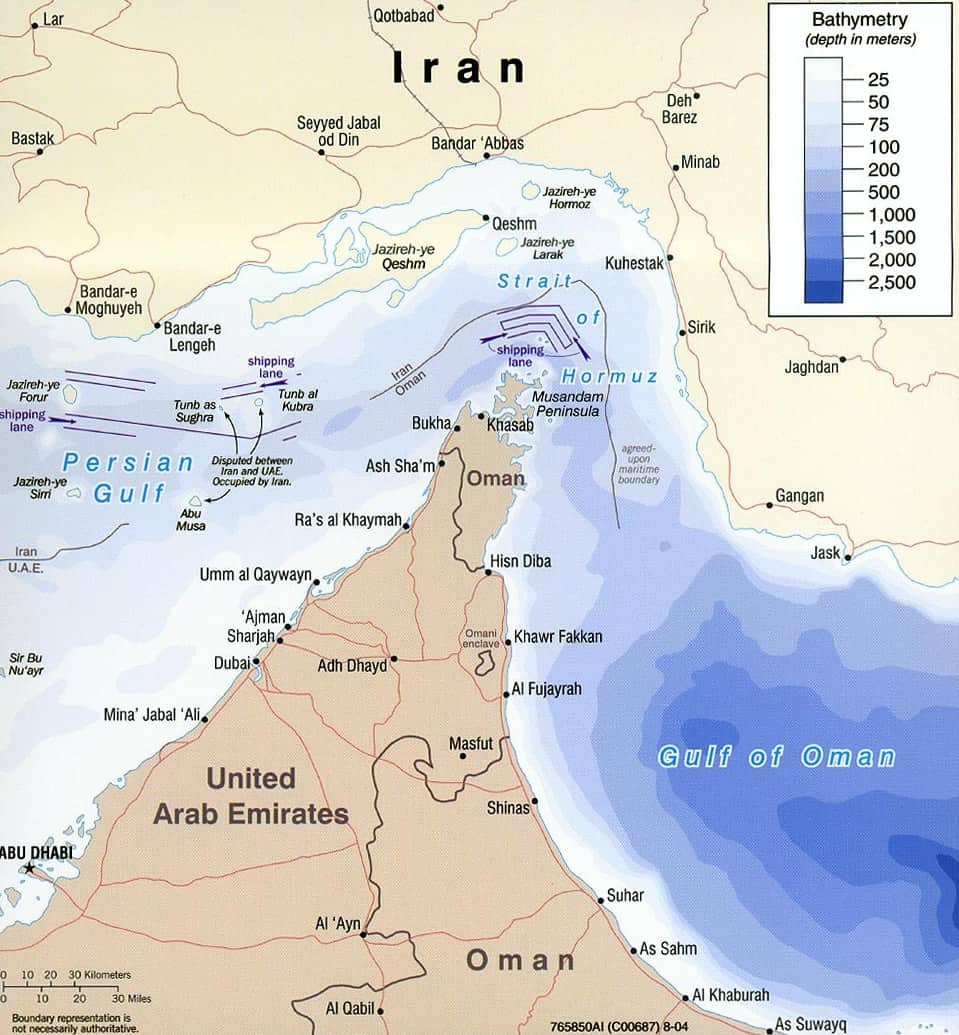


Comments
Be the first to comment.