Oilers First Round Exit Leaves Edmonton Asking Hard Questions
The Edmonton Oilers' 2026 playoff run ended almost before it began. Eliminated by the Anaheim Ducks in six games in the first round, the Oilers became one of the most surprising early exits of the postseason, falling to a younger and faster Anaheim roster that had been widely picked to lose the series. The result has triggered a sweeping post season review across the Oilers organisation, with questions being asked about coaching, roster construction, and the cap structure surrounding superstar centres Connor McDavid and Leon Draisaitl.
The series was not a blowout in raw terms. The Oilers won Game 1 and forced the Ducks to overtime in Game 4, and the series featured the kind of high event hockey that Edmonton had hoped to play through the playoffs. But the Oilers' inability to find consistency, their goaltending issues, and a series of defensive breakdowns at the worst possible moments combined to send the team home far earlier than fans expected, and to put the franchise's championship window under fresh scrutiny.
How the series unfolded
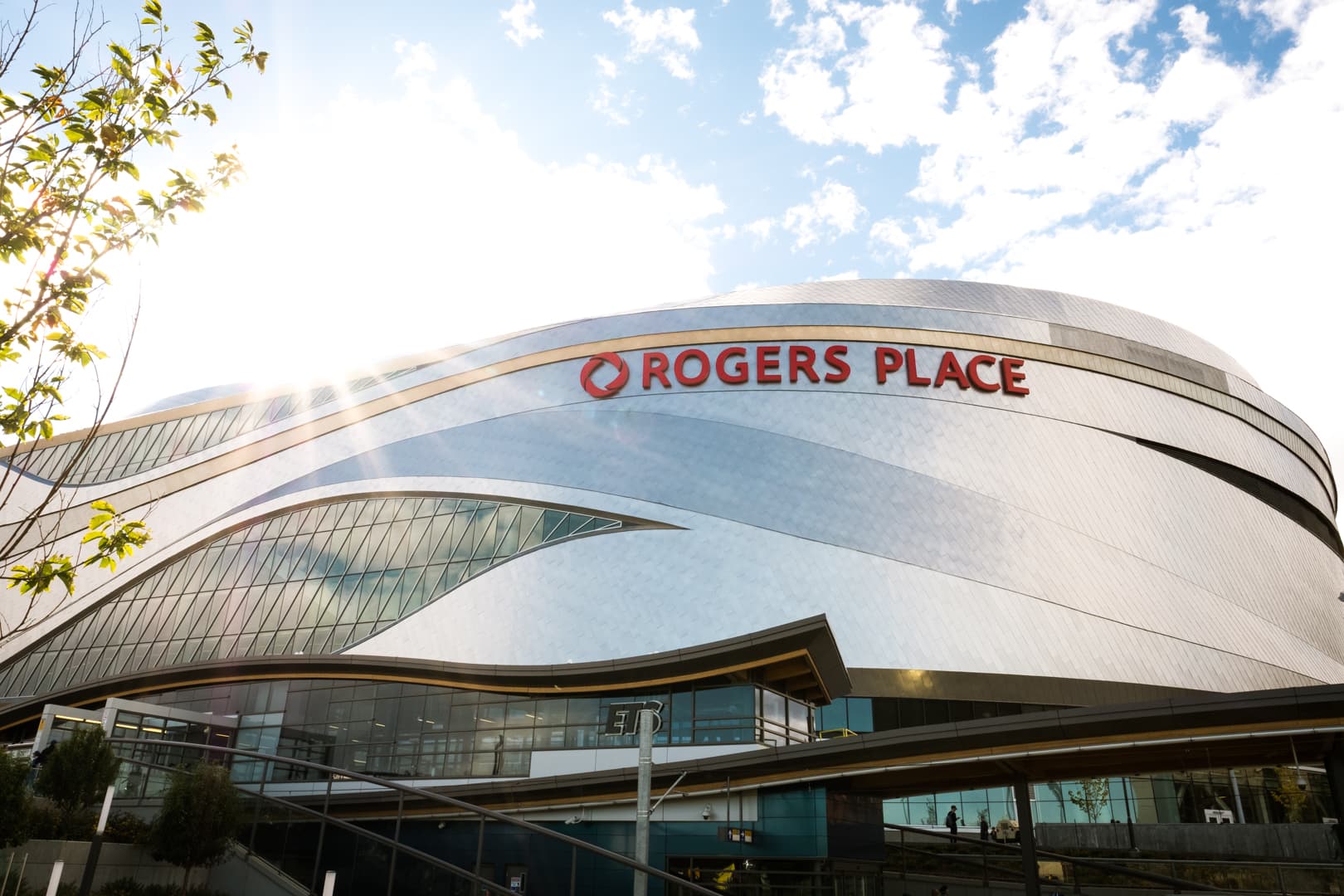
Game 1 was the high point. The Oilers won 4-3 in Edmonton, with McDavid scoring the winner late in the third period and the Rogers Place crowd taking it as the start of another long playoff run. The Ducks responded by winning Game 2 by a 6-4 score, then dominated Game 3 in Anaheim with a 7-4 result that exposed the Oilers' defensive frailties.
Game 4 was the inflection point. Edmonton trailed for most of the contest but pushed the game to overtime, only to lose 4-3. The Oilers responded with a 4-1 win in Game 5 to send the series back to Edmonton with new life, but the Ducks closed it out in Game 6 with a 5-2 victory. Anaheim's young scorers and physical defensive corps proved too much for an Oilers roster that has been built primarily for offensive firepower.
Why the Oilers fell apart
The hockey writing community has produced a long list of explanations for the early exit. The most consistent thread is that the Oilers' regular season had already shown signs of fragility, and that the playoffs simply exposed those issues at higher volume. Edmonton finished second in the Pacific Division with 93 points, well off the team's pace from the previous season and a substantial step below the level of play that the McDavid era Oilers have historically managed.
Goaltending was the most visible weakness. Inconsistent saves at critical junctures cost the Oilers in multiple games, and the team's blue line struggled to clear rebounds and limit second chance opportunities. The penalty kill was below league average through the series, and the Ducks scored a higher than expected share of their goals on the power play and in transition.
The Oilers also struggled with discipline. Several costly penalties at high leverage moments led directly to Ducks goals, and Anaheim's structured neutral zone defence forced Edmonton into the dump and chase game that has historically not played to the team's strengths.
The McDavid and Draisaitl question
The early exit raises uncomfortable questions about the Oilers' star duo and the team's ability to build a sustainable contender around them. McDavid remains the best player in the world, and Draisaitl is consistently in the conversation for the league's top three. Both produced points in the series against Anaheim, but neither was able to drive a series win the way they have in previous postseasons.
McDavid is signed through the 2025-26 season, with a long term extension expected at some point this summer. The structure of that extension will have significant implications for the Oilers' cap flexibility, and the post-series environment in which contract talks are held has now changed materially. Both McDavid and Draisaitl are still in their primes, but the championship window is widely understood to be narrowing.
The coaching question
The Oilers' coaching staff is also under review. Head coach Kris Knoblauch, hired during the previous season, helped stabilise the team after a difficult start, but the playoff performance has produced questions about whether his system is the right fit for a roster that needs to combine elite scoring with structured defensive play. Knoblauch has the public support of management for now, but multiple reports have indicated that internal reviews will be comprehensive.
Assistant coaches and the goaltending coach are likely to come under more immediate scrutiny. Hockey operations have historically used post season reviews to make targeted changes to support staff while leaving head coaches in place. The Oilers' front office, led by general manager Stan Bowman, will be looking for changes that can produce visible improvement without disrupting the team's core identity.
The Stuart Skinner question
Goaltender Stuart Skinner has been one of the most heavily scrutinised players on the Oilers roster, and the playoff exit has put his future with the club under additional pressure. The 27 year old gave the team flashes of brilliance during the regular season but struggled in critical moments through the Anaheim series. Whether the Oilers commit to Skinner as the long term answer in net or whether the team pursues an upgrade through trade or free agency will be one of the most important decisions of the off season.
The market for veteran goaltenders has been particularly active in recent off seasons, and several established starters are expected to be available either through unrestricted free agency or in trade. The Oilers' challenge is to balance the cost of acquiring a proven goaltender against the team's other roster needs. Bowman has signalled that goaltending will be addressed but has been careful not to commit to a specific path forward.
The roster decisions ahead
The Oilers face a difficult off season on the roster side. The team has limited cap space, multiple key players entering free agency, and clear weaknesses on the back end and in net that need addressing. Bowman has signalled that the off season will involve difficult decisions, and that the team will not be able to bring back the full roster as currently constituted.
Free agency for the Oilers is complicated by the broader cap environment. The salary cap for the 2026-27 season is rising, but not as quickly as some teams had hoped, and the rising cost of long term extensions for top end talent means that almost every contender is facing similar trade offs. Edmonton's challenge will be to add the depth and defensive structure necessary to win a long playoff series without sacrificing the offensive firepower that defines the team.
What it means for the fan base
The Oilers fan base has been remarkably patient through years of close playoff outcomes, but the early exit has tested that patience. Calls for sweeping change have grown louder in the days since the series ended, although polling of season ticket holders suggests that the core support for the team remains solid. The challenge for the organisation will be to translate the post season review into visible changes that fans can rally behind.
The broader Edmonton sports market is also feeling the impact. The early playoff exit cost the local economy meaningful revenue that would have flowed from later round home games, and several downtown businesses have spoken publicly about the impact. The Oilers organisation has expressed solidarity with those businesses but cannot make up for the lost games.
The Pacific Division context
The Ducks' upset of the Oilers also tells a story about how the Pacific Division has shifted. Anaheim's young core has matured faster than most observers expected, and the Ducks' performance through the playoffs suggests they will be a competitive team for years to come. Vancouver, Vegas, and Los Angeles all also remain contenders in the division, meaning that the Oilers' road back to the top of the Pacific will not be easy.
The Vegas Golden Knights, who are now in the Stanley Cup Final after sweeping Colorado in the Western Conference Final, are likely to remain the team to beat in the West. Edmonton's roster will need to be configured to compete with that level of team, not just to qualify for the playoffs.
The Bowman question
General manager Stan Bowman remains a polarising figure in the Edmonton hockey conversation. Hired during the previous off season after a controversial earlier tenure with the Chicago Blackhawks, Bowman has been credited with steadying the Oilers' off ice management while also being criticised for some specific roster decisions during the trade deadline. The early playoff exit places his summer decisions under significant scrutiny.
Bowman has signalled that he intends to be active in the trade market through the summer and has been clear in public comments that the roster will not be retained as currently constituted. Whether that translates into bold moves or into more incremental changes will define the next chapter of the franchise. Oilers ownership has so far stood behind Bowman publicly, but the patience of the market for further early exits has its limits.
What's next
The off season review is already underway. Bowman is expected to meet with ownership in the coming weeks to set the direction for the summer. The NHL Draft in late June will give the Oilers a chance to add young talent, although Edmonton's first round selection is later than it has been in most recent years.
Free agency opens July 1 and will offer the Oilers the chance to add targeted help on defence and in net. The team's cap space is limited, but a series of smart shorter term deals could produce meaningful improvement. The longer term question of how to build a sustainable contender around McDavid and Draisaitl will dominate the conversation in Edmonton for the rest of the off-season, and possibly beyond.
Spotted an issue with this article?
Have something to say about this story?
Write a letter to the editor


Comments
Be the first to comment.