CFL Training Camps Tighten Rosters as June 4 Kickoff Nears
The nine teams of the Canadian Football League are deep into the final stretch of training camp, with rosters being cut down to the 75 player active limit and final preseason games on the horizon. The 2026 CFL regular season begins on June 4, when the Montreal Alouettes visit the Hamilton Tiger-Cats in a rematch of last season's Eastern Division semifinal, and every team across the league is in the final two weeks of building the roster that will go into the opener.
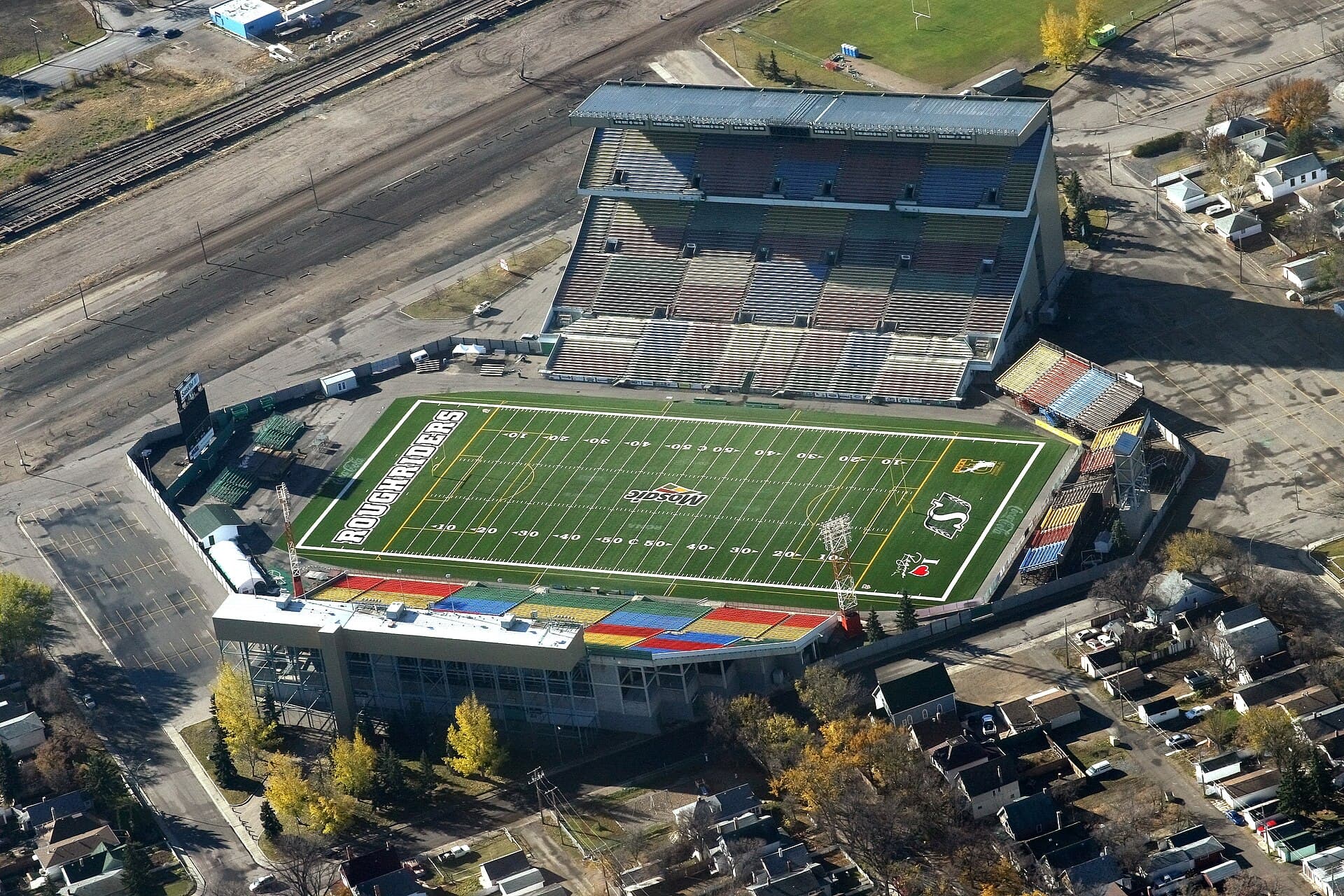
The defending Grey Cup champions are the Saskatchewan Roughriders, who delivered the franchise's first championship in more than a decade in 2025 after going wire to wire as the CFL's best team. The Roughriders enter 2026 as the team to beat, but every other roster has been retooled to try to close the gap. The early signs from training camps across the league suggest that the West Division remains as deep as it has been in years.
The training camp landscape
Training camps opened in mid May with full rosters, and teams are now working through secondary cutdowns to narrow their squads to the 75 player active limit. The cuts have produced a flurry of roster movement, with veterans waived for cap reasons, fringe players given new opportunities elsewhere, and a handful of surprise additions claimed off waivers.
Coaching staffs across the league have been navigating the same broader challenge: how to fit talented rosters under the league's salary cap while keeping enough developmental space for younger players. The cap pressures have been particularly acute in Saskatchewan, which is paying championship contracts to a number of returning veterans, and in Calgary, which has been retooling around a younger core. The final cuts before opening day are expected to be brutal in several markets.
Saskatchewan's title defence
The Roughriders return most of their championship core, including the quarterback, top receivers, and defensive front that drove the team's 2025 run. The challenge for head coach Corey Mace will be to manage the expectations and the cap pressures that come with a title defence, while also addressing the limited number of roster holes left by free agency.
Saskatchewan's depth at running back and along the offensive line is expected to be the team's main competitive advantage in 2026. The defensive secondary has lost a couple of key contributors but has added through the off season. The Riders open the season on the road against Calgary in one of the most anticipated week one matchups in the league.
Edmonton's path back
The Edmonton Elks have not made the CFL playoffs in six seasons, and 2026 has been framed by head coach Mark Kilam and general manager Geroy Simon as the year that has to change. The Elks made several significant free agent signings during the off season, headlined by edge rusher Malik Carney, who joins the team on a two year contract after being one of the league's most feared pass rushers in recent seasons.
Carney's arrival is part of a broader defensive rebuild that is expected to transform Edmonton's pass rush and improve a defence that struggled badly against the run in 2025. The Elks' offence remains a question mark, with the quarterback competition still being sorted out in camp and the receiving corps depending on continued development from younger players. Returning to the playoffs in a deep West Division will not be easy, but Edmonton is positioned better than it has been in several seasons.
Montreal's defensive rebuild
The Montreal Alouettes will hold training camp in Quebec City this year, a deliberate move to deepen the team's connection to French speaking fans across the province. The roster has been retooled around a defensive line that the team hopes can be among the league's best, including Mustafa Johnson, who has arrived at camp visibly energised after a few seasons marked by physical setbacks.
Johnson has spoken to reporters about his goal of returning to the level of dominance he showed earlier in his career, when he was widely considered one of the best defensive tackles in the league. His health and consistency will be central to Montreal's defensive identity in 2026. The Alouettes also have one of the more stable quarterback situations in the league, which should help the team navigate the inevitable early season turbulence that every CFL roster faces.
Toronto's reset
The Toronto Argonauts have had one of the more dramatic off seasons in the league. The team has reshaped its coaching staff and offensive philosophy after a difficult 2025, and the early reports from camp suggest a more aggressive approach on both sides of the ball. The Argonauts' challenge will be to convert that approach into wins in a competitive East Division, with Hamilton and Montreal both fielding strong rosters and Ottawa expected to be better than its 2025 finish suggested.
BMO Field renovations and tournament use by the FIFA World Cup organisers have created scheduling complexities for the Argonauts, who will play several road heavy stretches during the early part of the season to accommodate the soccer tournament. The team has framed the challenge as a chance to build resilience early in the year, but the road heavy schedule will test the roster's depth in important ways.
The expansion conversation
Behind the immediate season is a continuing conversation about CFL expansion. The Halifax Schooners proposal has been on the league's table in various forms for years, and the league has periodically signalled interest in a return to the Atlantic provinces. Quebec City has also been mentioned, although the loss of the Quebec Capitales junior football market and the lack of a suitable stadium have been ongoing obstacles. Toronto Argonauts ownership has expressed cautious support for expansion that would strengthen the East Division's competitive depth.
League commissioner Stewart Johnston has been more publicly active on the expansion question than his predecessor, and the early indications are that the league is taking a more strategic look at growth than at any time in recent memory. Concrete movement toward a 10th or 11th franchise remains a multi year project, but the conversation has been more active in 2026 than it has been in years.
BC, Calgary, Winnipeg
The BC Lions return one of the league's most explosive offences and will be looking to convert regular season success into playoff results. Calgary is rebuilding around younger talent and has been one of the most active teams in cuts during the secondary phase. Winnipeg, which has been among the league's most consistent franchises over the last decade, is once again expected to be in the West Division mix despite a relatively quiet off season.
Each of those teams has made meaningful changes during training camp, and the secondary cuts have produced a more competitive position battles than the league has seen in several years. The depth of West Division rosters means that even minor injury issues during the season are likely to determine playoff seeding.
Hamilton and Ottawa
Hamilton hosts Montreal in the season opener and has been working through a quarterback competition that is among the most closely watched of the spring. The Tiger-Cats need a clear answer at the position to give the offence the stability it lacked at times in 2025. Ottawa, which has had a quiet off season, is being widely picked to surprise in the East Division after a strong showing in late 2025 that was overshadowed by earlier season struggles.
The East Division has historically been the weaker of the two divisions, but multiple analysts have suggested that 2026 could be the most competitive year in the East in some time. If Hamilton can stabilise its quarterback situation, Montreal can stay healthy on defence, and Ottawa can build on its late 2025 form, the East could produce a much more credible Grey Cup contender than it has in recent years.
What it means for fans
The 2026 CFL season opens at a moment when professional football across Canada is enjoying a quiet but real revival. League attendance has been climbing for two consecutive seasons. Broadcast viewership on TSN and RDS has been stable or rising in every market. New uniforms, refreshed marketing campaigns, and a growing presence on social media have all contributed to a sense that the league is in better shape than it was three or four years ago.
Fans across the country will get the chance to follow their teams through 18 regular season games, leading into a playoff structure that produces some of the most distinctive postseason football in North America. The Grey Cup itself is scheduled to be played in Winnipeg in November.
The American conversation
The Trump administration's tariffs and broader posture toward Canada have produced an unexpected uptick in Canadian content marketing across the league. CFL teams have leaned more visibly into Canadian identity in advertising and community programming over the past year, and the league as a whole has seen modest but measurable gains in fan engagement scores tied to that messaging. The shift mirrors what the NHL's Canadian teams and the Canadian Premier League have experienced.
League leadership has been careful not to position the CFL as an explicitly political organisation, but the underlying market dynamic has been clear. Canadians, particularly in the wake of trade tensions, have shown a willingness to support domestic institutions, and the CFL has benefited from that shift. Whether the effect persists over time will depend on whether Canadian sports culture continues to reward institutions that lean into national identity at the margin.
What's next
Final cuts to the 75 player active limit will continue through the next week, with regular season rosters set ahead of opening day on June 4. The pre season schedule features matchups across the country, giving fans an early look at how new roster combinations will perform. The Tiger-Cats and Alouettes will play under primetime lights in Hamilton to open the season.
The 2026 CFL season carries the additional challenge of coexisting with the FIFA World Cup for much of June. League officials have framed the overlap as an opportunity to expose new fans to the CFL, particularly in Toronto and Vancouver, where soccer fans visiting from around the world may encounter Canadian football for the first time. Whether that exposure translates into long term audience growth will be one of the league's quiet narratives through the summer.
Spotted an issue with this article?
Have something to say about this story?
Write a letter to the editor



Comments
Be the first to comment.