Poilievre Demands Carney Block CRTC's Tripled Streaming Levy
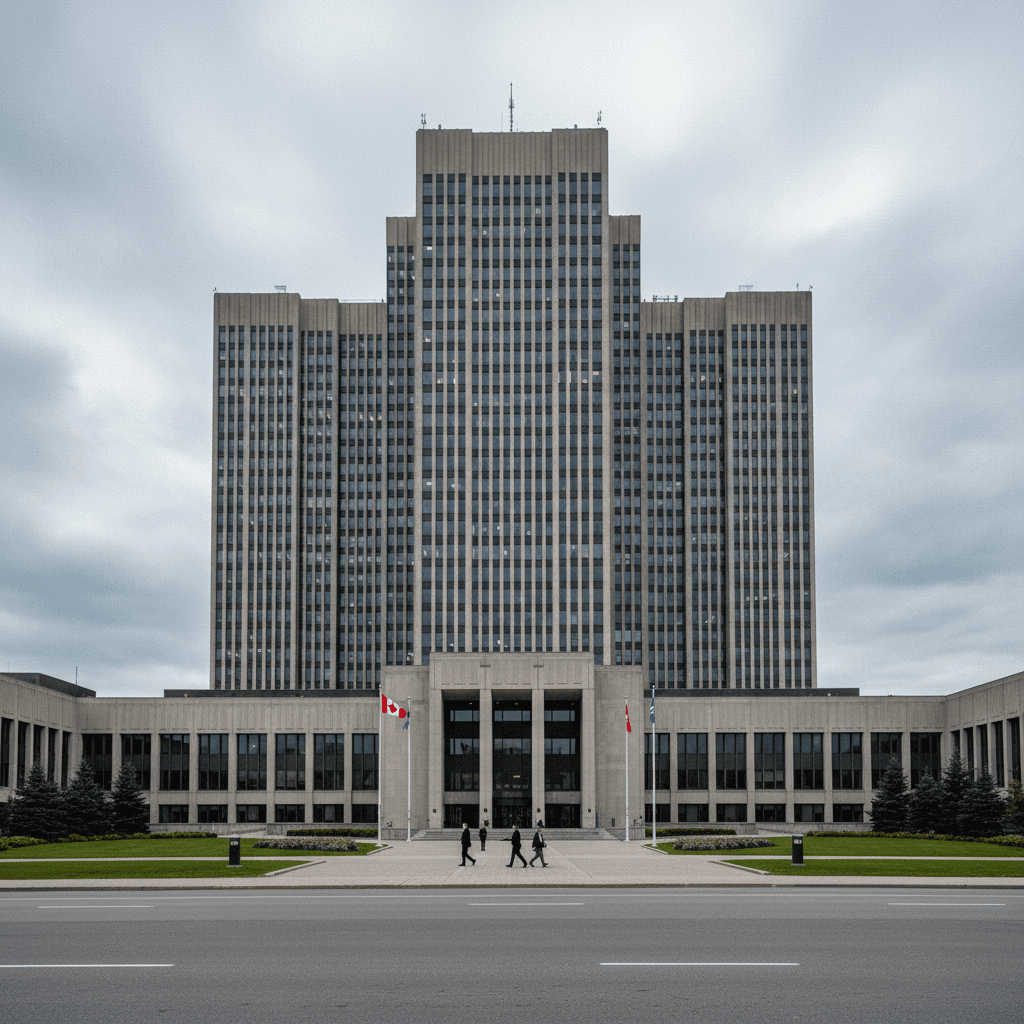
Conservative Leader Pierre Poilievre has demanded Prime Minister Mark Carney step in and overrule a Canadian Radio-television and Telecommunications Commission decision that would force foreign streaming companies to direct 15 per cent of their Canadian revenue to homegrown content. Poilievre calls the move a "Netflix tax," warns it will raise subscription prices for Canadians, and says it could trigger fresh tariffs from the Trump administration.
What the CRTC actually decided
The CRTC ruled that foreign streaming firms operating in Canada, including Netflix, Disney+, Amazon Prime Video, and others, must set aside 15 per cent of their Canadian revenue to fund Canadian programming, up from a 5 per cent interim levy already in force. The decision flows from the Online Streaming Act, the federal legislation that brought foreign streamers under Canada's broadcasting framework.
The new rate would apply to large foreign-owned platforms operating above a revenue threshold and would direct funds to a mix of certified Canadian content funds. The CRTC has positioned the decision as restoring fairness between domestic broadcasters, which have long contributed to Canadian content funding, and foreign streamers, which dominate the market.
Industry estimates suggest the levy could redirect hundreds of millions of dollars annually into Canadian production.
Poilievre's case against the levy
Poilievre, in a letter to Carney and in remarks to reporters, called the CRTC's decision an indirect tax on Canadian subscribers. He argued that streaming platforms will pass the cost through to consumers, raising the price of subscriptions that already eat into household budgets.
He also cast the regulatory decision as a trade risk. Poilievre warned the Trump administration may slap fresh tariffs on Canadian steel, autos, aluminum, and lumber in retaliation, given that the largest streaming firms are American. The Conservative leader pointed to Trump's broader tariff strategy, which has already cost the steel and aluminum sectors heavily, as evidence that the United States is willing to retaliate over digital trade disputes.
In his letter to the Prime Minister, Poilievre cited the cross-border trade risk as a reason to scrap the new Cancon regime. He has also previously pledged to repeal the Online Streaming Act outright, accusing the CRTC of being a "woke" agency.
The Carney government's position
The Liberal government has so far defended the CRTC decision and the underlying Online Streaming Act. Heritage officials have argued that the levy is a fair contribution that aligns foreign streamers with Canadian broadcasters who have long supported domestic production through similar obligations.
Carney has acknowledged the trade friction but has not signalled an intention to overrule the regulator. Government sources have privately suggested that Ottawa is watching the Trump administration's response carefully, but believes the framework is defensible under existing trade agreements.
The federal cabinet retains the legal authority to direct the CRTC on broad policy, but using that power on a specific decision would be politically explosive and could trigger lawsuits from industry groups on multiple sides.
The cultural sector reacts
Canadian production unions, broadcasters, and content creators have applauded the CRTC decision. The Alliance of Canadian Cinema, Television and Radio Artists, the Writers Guild of Canada, and the Canadian Media Producers Association have all argued that the increased levy is essential to sustaining Canadian storytelling at a time when domestic broadcasters face declining advertising revenue.
Producers have noted that streaming services already produce some content in Canada, but argue that the new rules will ensure those investments flow into recognised Canadian productions, including in French and Indigenous languages, rather than into international productions that happen to shoot in Canadian cities.
What it could mean for consumers
The most contested question is whether subscribers will see higher prices. Streaming companies have not committed to specific price increases. Some industry analysts have argued that the firms will absorb the cost given competitive pressure, while others say increases are inevitable, particularly for households that bundle multiple services.
Canadians already pay among the highest mobile and broadband rates in the developed world, and streaming costs have crept up steadily over the past two years. Adding another layer of cost, even one channeled into Canadian content, lands at a politically sensitive moment as households grapple with stubborn inflation and a soft labour market.
Trade implications with the United States
The streaming dispute lands at a moment of high tension with Washington. Trump's tariffs on Canadian steel and aluminum, recently doubled and expanded to derivative products, have already prompted a $1-billion federal loan program to keep affected industries afloat. The Carney government has signalled it does not want to open new fronts in the trade war.
The United States Trade Representative has historically opposed foreign content regulations that disadvantage American digital firms. Officials in Washington have raised the CRTC decision in informal conversations with Canadian counterparts, but no formal retaliation has been announced.
Trade lawyers have noted that the United States, Mexico, Canada Agreement carves out cultural industries from many obligations, giving Canada more room to defend the levy than would otherwise be the case.
The history of Canadian content funding
The principle of mandated contributions to Canadian content has been a feature of Canadian broadcasting policy for decades. Domestic broadcasters, including CBC, CTV, and Global, have long contributed to certified Canadian content production through funding obligations and licence conditions. The Canada Media Fund, which channels resources to producers, has been one of the cornerstones of the system.
The Online Streaming Act, passed in 2023, extended these obligations to foreign streaming platforms that operate at scale in Canada. The CRTC was tasked with setting specific rates and implementation details, leading to the current dispute over the 15 per cent levy.
Defenders of the system argue that without these contributions, the gap between large international platforms and domestic broadcasters would widen, eroding the foundation on which Canadian storytelling has been built.
French-language content
The French-language production sector, concentrated in Quebec, has been one of the most vocal advocates for the higher streaming levy. Producers in Montreal have argued that without robust contributions from international platforms, the economics of original French-language production are vulnerable, particularly for higher-budget drama and documentary series.
Quebec's cultural policy framework has historically defended Canadian and French-language content through both federal and provincial mechanisms. Premier Christine Fréchette's government has signalled support for the CRTC framework, even as Quebec navigates its broader fiscal pressures.
Where the other parties stand
The NDP has supported the underlying Online Streaming Act and the principle of contributions from foreign platforms, though it has called for stronger protections for independent and minority-language productions. The Bloc Québécois has been an enthusiastic defender of the framework, given the importance of French-language content funding to Quebec's media sector.
The Conservatives are alone among the major federal parties in calling for repeal. Within the party, the streaming file has become part of a broader anti-CRTC narrative that Poilievre has built around what he calls federal overreach into digital life.
The streaming platforms respond
The major streaming platforms have publicly disagreed with the CRTC's decision while signalling that they will work within the regulatory framework. Industry trade associations, including the Motion Picture Association Canada, have argued that the existing voluntary investment by streamers in Canadian productions has already been substantial and that the levy creates unnecessary friction.
Internal documents and public submissions from streaming firms have argued for a broader counting framework that would include their existing investments in productions shot in Canada, even where those productions are not formally classified as Canadian content. The CRTC has rejected that argument in setting the new rate.
The next-generation media landscape
The streaming dispute exists against a backdrop of rapid change in the broader Canadian media landscape. Traditional broadcasters have continued to consolidate, advertising revenue has shifted toward digital platforms, and audiences have moved decisively toward streaming and on-demand viewing.
The next phase of media policy in Canada will likely include further questions about news content, social media platform obligations, and the broader relationship between digital firms and Canadian publishers. The streaming levy is one piece of a much larger conversation about how Canadian content survives and competes in a globalised media environment.
Independent creators and YouTube content
One of the unresolved questions in the broader Online Streaming Act framework has been the treatment of user-generated content and individual creators on platforms like YouTube. Critics, including Poilievre, have argued that the law's wording could affect Canadian creators in ways that were not intended by its sponsors.
The CRTC has signalled that individual creators are not the target of the current rules, though enforcement details remain contested. The question of how the framework applies to short-form video, podcasts, and other new content formats will continue to be a live issue as the digital landscape evolves.
What's next
The 15 per cent levy is set to take effect on a schedule established by the CRTC, with implementation dates rolling out over the coming months. Streaming companies have signalled they will challenge the decision through CRTC review processes and, potentially, the courts.
Federal cabinet has 60 days under the Broadcasting Act to consider whether to refer the decision back to the CRTC for reconsideration. That window will be the next pressure point for the Carney government as Poilievre keeps the file in the headlines.
For Canadian subscribers, the practical impact will depend on whether streamers raise prices, whether Ottawa intervenes, and whether the Trump administration follows through on threats of retaliation. The next few months will determine which of those scenarios shapes the bill at the bottom of the monthly subscription email.
Spotted an issue with this article?
Have something to say about this story?
Write a letter to the editor


Comments
Be the first to comment.