Supreme Court Lets Stand Ruling That Aboriginal Title Does Not Apply to Private Land
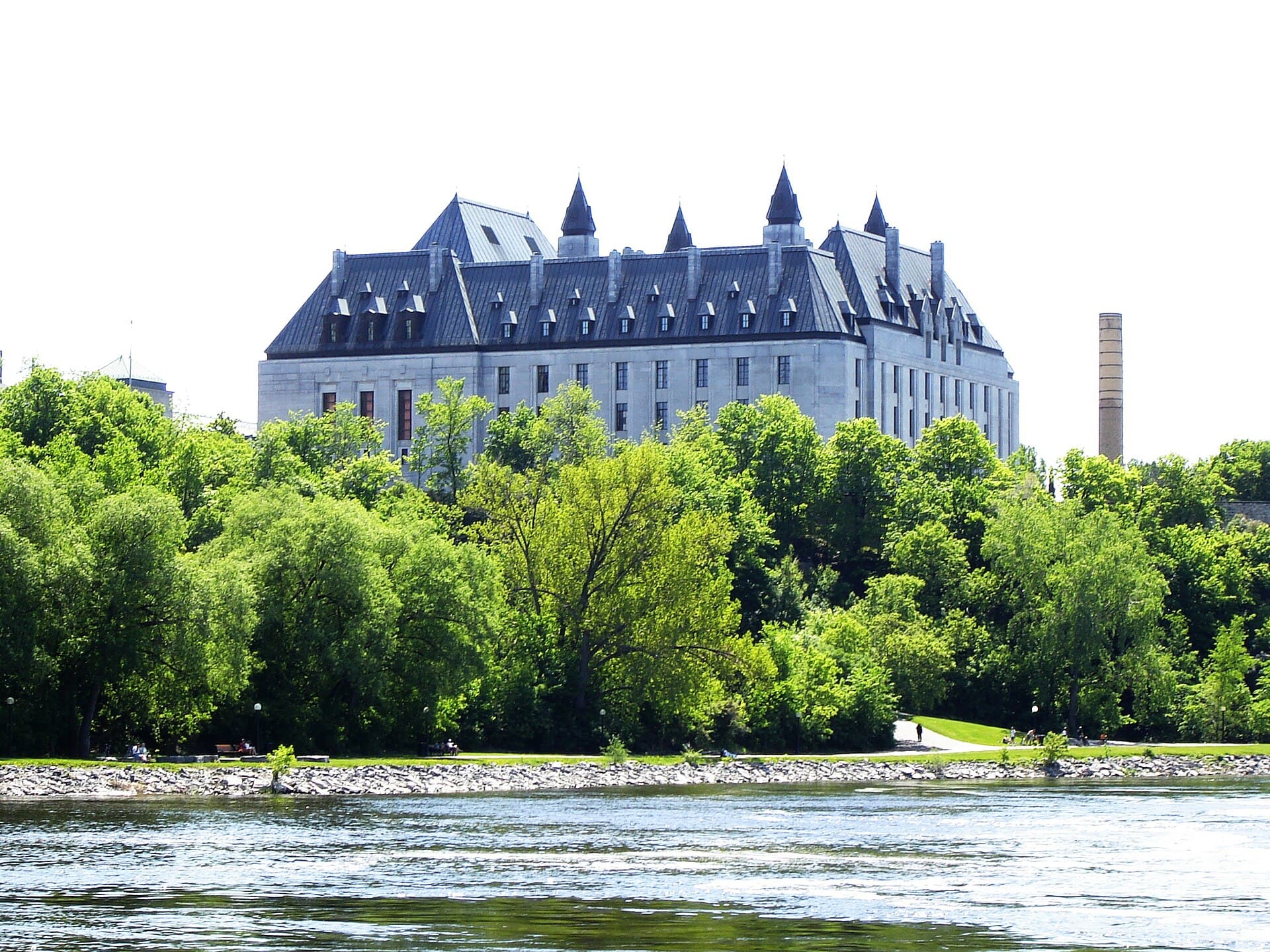
The Supreme Court of Canada on Thursday allowed to stand a British Columbia ruling that Aboriginal title cannot be declared over land already held in private fee simple ownership, a decision that lawyers and Indigenous leaders say will reshape one of the country's most significant land claim cases and could constrain title claims across the country.
The court did not issue full written reasons but instead refused to hear an appeal, leaving in place the B.C. Court of Appeal decision and effectively endorsing the central legal principle that fee simple title acts as a substantive barrier to a declaration of Aboriginal title. The federal government said the decision would have direct implications for the ongoing Cowichan Tribes case, which has tested the limits of Aboriginal title against modern property rights in the Fraser Valley.
The ruling lands at a politically sensitive moment, weeks after Parliament passed the Building Canada Act to accelerate major infrastructure projects across the country and as Indigenous communities continue to demand a stronger consultation role in decisions affecting their traditional territories. The intersection of property law, constitutional Aboriginal rights, and the federal government's industrial agenda is now front and centre.
What the court did
The Supreme Court's decision came in the form of a denied leave application, the most common but least dramatic way in which the country's highest court closes a file. By refusing to hear the appeal, the court left intact a B.C. Court of Appeal ruling that fee simple ownership is generally incompatible with a declaration of Aboriginal title over the same parcel.
The B.C. ruling did not say that Indigenous interests in privately held land disappear entirely, but it held that the legal vehicle of Aboriginal title, recognised under section 35 of the Constitution Act, cannot be declared in circumstances where that would extinguish or override existing fee simple rights. Other tools, including consultation, accommodation, and compensation, remain available.
Constitutional scholars said the practical effect is to channel Indigenous land claims toward negotiation, treaty processes, and financial settlements where private property is involved, rather than toward declarations of title that would unsettle ownership of homes, farms, and businesses.
The Cowichan case
The most immediate impact will be felt in the Cowichan Tribes case, which has been winding through B.C. courts and which the federal government identified as directly affected by the Supreme Court's decision. The Cowichan have argued for Aboriginal title over portions of land in the Fraser Valley that include privately owned property and that historic Crown grants extinguished traditional title without proper consent.
The case had drawn intense attention from municipalities, landowners, and other Indigenous nations because of its potential to set a precedent for how Canadian courts handle title claims that conflict with existing private ownership. The Supreme Court's decision to leave the B.C. ruling in place narrows the legal pathway available to the Cowichan and other nations in similar positions, although it does not end their claims.
Cowichan leadership said the decision was disappointing but not the final word, and indicated that the nation would continue to pursue its claims through other legal and political channels, including negotiation with the federal and provincial governments and a renewed push for federal recognition of historic injustices.
Reaction from Indigenous leaders
The Assembly of First Nations and several provincial Indigenous organisations criticised the decision, arguing that it places yet another barrier in front of First Nations seeking to assert land rights and that it perpetuates the consequences of Crown grants made without consultation or consent. AFN leadership called for the federal government to respond with new legislative tools rather than relying on the courts.
Other Indigenous voices were more measured, noting that the ruling preserves the basic legal framework of Aboriginal title and clarifies its limits rather than overturning it. Some legal experts working with First Nations have argued that the decision could actually accelerate settlement negotiations by making clearer where contested claims are headed.
Across the country, individual nations indicated that they will continue to press claims to traditional territories that include unceded Crown land, parks, and reserves, where Aboriginal title remains a powerful legal tool. Title to private land, in many cases, was always a remote prospect, and the decision largely codifies the practical reality.
Reaction from governments
The federal Department of Justice issued a brief statement noting the Supreme Court's decision and indicating that it would have implications for active litigation, including the Cowichan case. Officials said the government remains committed to advancing reconciliation through negotiation and to supporting communities in pursuing Indigenous rights claims through means other than declarations of title over private land.
The British Columbia government welcomed the clarity that the decision provides, noting that the province has been working on a series of reconciliation agreements that include shared land management, revenue sharing, and co-governance arrangements that operate independently of title declarations. Provincial officials said the decision will not slow that work.
Other provinces, particularly Ontario and Quebec, are watching closely. Both provinces have significant unresolved title and treaty cases and have been pressing for federal leadership in setting out how reconciliation can be advanced alongside private property rights.
What it means for landowners
For private property owners, the decision provides a measure of legal certainty that has been missing as title cases have advanced over the past several years. Banks, insurers, and real estate professionals had been increasingly cautious about lending and underwriting in areas where Aboriginal title claims overlapped with private land, and the Supreme Court's decision should ease some of that pressure.
However, lawyers cautioned that the decision does not eliminate the broader duty to consult and accommodate Indigenous peoples in respect of decisions affecting their interests, even where those interests fall short of title. Municipalities, developers, and other decision-makers remain legally bound to engage meaningfully with First Nations whose traditional territories overlap with project areas.
The decision is also not a green light for new development. Crown land, reserves, parks, and other public spaces remain subject to potential title claims, and the duty to consult continues to apply broadly.
The bigger reconciliation picture
The decision arrives at a moment when reconciliation policy is under intense scrutiny. The Carney government's flagship infrastructure legislation, the Building Canada Act, has drawn criticism from Indigenous leaders who argue that it prioritises speed over consultation. The Assembly of First Nations has called for the law to be paused or amended, and the federal government has promised additional funding for consultation capacity in response.
Court decisions like Thursday's, by clarifying the limits of one legal tool, raise pressure on the federal government to develop other mechanisms for reconciliation. Settlement agreements, modern treaties, co-management arrangements, and direct financial compensation are all expected to play a larger role going forward.
The decision also underscores the limits of litigation as a vehicle for advancing Indigenous rights. While court cases have driven significant legal change over the past four decades, the slow pace and narrow scope of judicial remedies have left many communities frustrated. The political and policy response will determine whether the decision becomes a stepping stone to further reconciliation or another point of grievance.
How the decision sits with previous landmarks
The Supreme Court has been building Canada's modern Aboriginal title jurisprudence since the 1973 Calder decision first recognised the existence of Aboriginal title at common law. The 1997 Delgamuukw ruling clarified how title could be established, and the 2014 Tsilhqot'in decision provided the first declaration of Aboriginal title to a specific tract of land in Canadian history.
Each of those decisions advanced the legal recognition of Aboriginal title while leaving certain questions for future cases. The boundary between Aboriginal title and private land has been one of those unresolved questions, and Thursday's decision provides the clearest answer the Supreme Court has yet offered. The decision sits alongside the existing jurisprudence rather than displacing it.
Legal scholars have noted that the decision can also be read as a procedural rather than substantive ruling, since the court declined to hear the appeal rather than issuing a written judgment. That distinction matters because it leaves room for future cases on subtly different facts to revisit the boundaries of the principle.
Implications for municipalities
Canadian municipalities, particularly in British Columbia and Ontario where overlapping Indigenous and settler land use claims are most common, have welcomed the decision as a source of clarity for local land use planning, taxation, and infrastructure investment. Municipal officials have indicated that the decision should ease concerns about title-related risks that have complicated some recent development approvals.
However, municipal leaders have also emphasised that the duty to consult and accommodate Indigenous peoples in respect of decisions affecting their interests remains in force. Cities and regional governments are working with First Nations on a wide range of joint planning, environmental review, and revenue-sharing arrangements that do not depend on the resolution of underlying title questions.
The Federation of Canadian Municipalities, in a brief statement, said that meaningful and sustained engagement with Indigenous communities will remain central to good local government regardless of how legal questions about title evolve.
What's next
The Cowichan Tribes case will continue, with the focus likely shifting toward portions of the claim that do not involve private land and toward negotiation with federal and provincial governments. Similar cases across the country will need to recalibrate their legal strategies in light of the decision.
Indigenous organisations are expected to press the federal government to introduce new legislation or expanded settlement programmes that respond directly to the gap the decision exposes. Officials said the government will engage with First Nations on potential responses in the coming months, alongside the broader debate over the Building Canada Act and major project consultation.
For now, the decision is one more reminder that the legal architecture of Aboriginal title in Canada is still being written, decades after the foundational cases of the 1990s and 2000s.
Spotted an issue with this article?
Have something to say about this story?
Write a letter to the editor

Comments
Be the first to comment.