U.S.-Iran Deal Edges Closer as Canadian Oil Markets Watch Hormuz
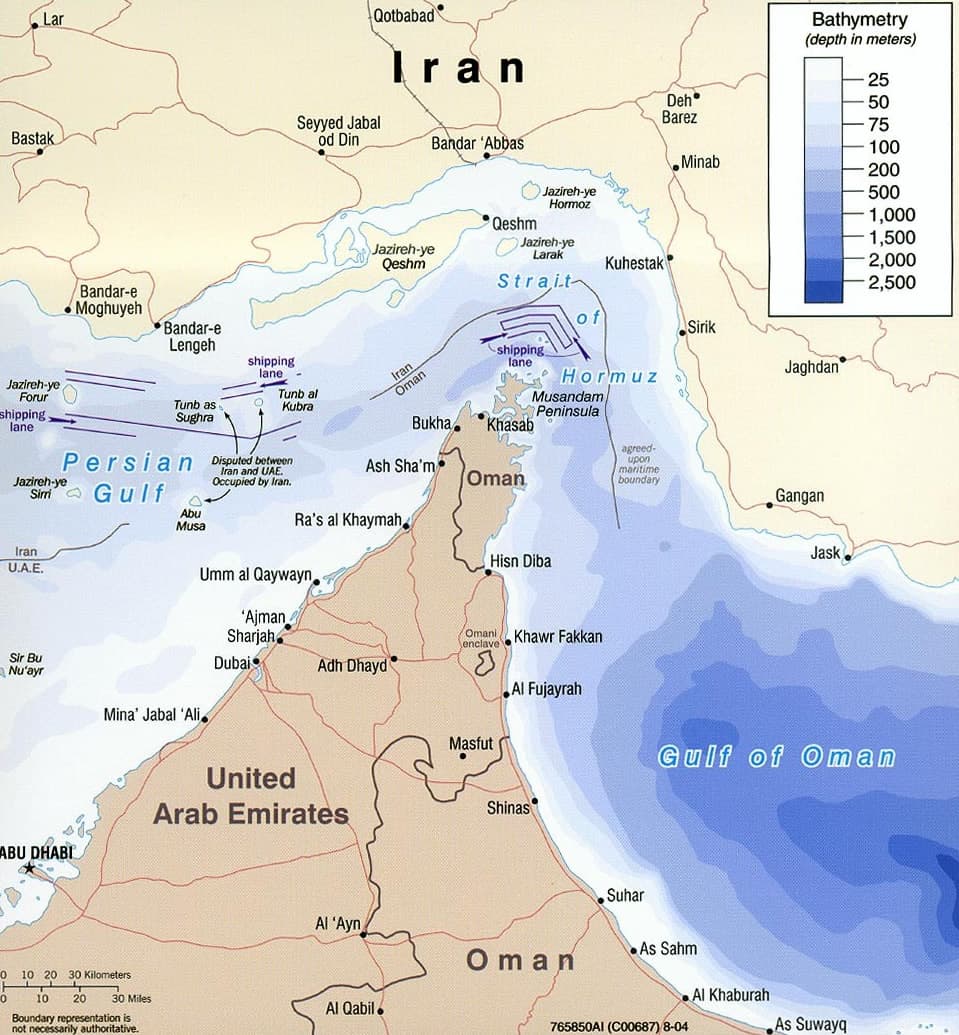
The United States and Iran are reportedly closing in on a one-page memorandum of understanding aimed at ending months of conflict and reopening maritime trade routes through the Strait of Hormuz. President Donald Trump said the deal was "largely negotiated" and would be announced soon, a development with potentially significant implications for the global oil market and, by extension, Canadian inflation and energy revenues.
What is being discussed
The proposed agreement, according to reporting from multiple outlets in late May, includes a temporary moratorium on Iranian uranium enrichment, phased discussions on sanctions relief, and a phased reopening of maritime trade routes in the Persian Gulf. The framework would lift restrictions on transit through the Strait of Hormuz, lift U.S. sanctions on a phased basis, and release billions in frozen Iranian funds.
The two sides have signalled progress while maintaining significant differences on the timing of sanctions relief and on long-term controls over Iranian nuclear infrastructure. Major sticking points remain over the timing of sanctions relief and control of the strategic waterway.
On May 12, the United States imposed new sanctions targeting Iranian nuclear research with possible military applications. A few days later, additional sanctions were imposed on individuals and entities in China and Iran connected to Iran's ballistic missile program. Those measures continue to apply, even as talks proceed.
Why the Strait of Hormuz matters
The Strait of Hormuz is one of the world's most critical chokepoints for energy trade. Roughly 20 per cent of global oil supply transits the strait, with the bulk heading to refiners in Asia. Disruptions to the route have repeatedly produced significant spikes in global oil prices.
The closure or restriction of the strait through the recent Iran conflict has been a major factor in elevated oil prices through the spring of 2026. Brent crude has spent extended periods above pre-conflict baselines, with risk premiums attached to any news about military activity in the region.
The Canadian inflation connection
For Canada, oil prices feed directly into inflation through fuel costs, transportation costs for goods, and downstream effects on agriculture, manufacturing, and household budgets. The Bank of Canada has explicitly cited higher oil prices linked to the Middle East war as a driver of upward revisions to its inflation forecast.
In its April monetary policy update, the central bank revised its forecast for inflation upward to an average of 2.3 per cent for 2026, up from a previous projection of 2.0 per cent. The bank expects inflation to peak at around 3 per cent in April before declining to 2.5 per cent in June and back to 2 per cent by early 2027.
A successful Iran deal that reopens the Strait of Hormuz and allows oil prices to ease would, on the bank's own analysis, support inflation returning to target faster. That, in turn, would create more room for rate cuts later in the year.
Canadian energy revenues
The picture for Canadian energy producers is more nuanced. Higher oil prices have lifted revenues for Alberta and Saskatchewan producers, contributing to provincial fiscal positions, royalty payments, and corporate profits. A drop in global oil prices would reduce that revenue stream.
The Carney government's National Electricity Strategy, announced in mid-May, signals an intent to keep diversifying the Canadian energy mix while maintaining the role of natural gas and traditional energy in the transition. Lower global oil prices would not change the fundamental thrust of that strategy but would shift the politics around it, particularly in Western Canada.
Allied coordination
Canadian officials have been in continuous coordination with G7 partners and with European allies on the Iran file. The framework of any final agreement will need to address concerns from both Israel and from European governments, and the diplomatic architecture is more complex than a bilateral U.S.-Iran negotiation alone.
The United Kingdom, France, and Germany, the three European parties to the original 2015 Iran nuclear agreement, have all been engaged in the current process. The European Union's high representative has played a coordinating role, and the International Atomic Energy Agency has maintained its inspection regime to the extent permitted by Tehran.
The regional security architecture
A potential U.S.-Iran agreement intersects with broader regional security questions, including the role of Saudi Arabia, the United Arab Emirates, Egypt, and other Gulf states. The Abraham Accords framework and related normalisation arrangements with Israel have continued to evolve through the conflict period.
Canadian engagement with the broader regional architecture has focused on humanitarian principles, support for stability, and bilateral commercial relationships. The Canadian embassy network across the Gulf region has provided sustained diplomatic presence.
The Canadian Iranian diaspora
Canada is home to one of the largest Iranian diasporas outside Iran, concentrated in the Greater Toronto Area, Greater Vancouver, and the Montreal region. The community has been deeply affected by the months of conflict, with many Canadians of Iranian background having family in cities affected by military operations.
Diaspora organisations have been advocating for both humanitarian relief and continued international pressure on the Iranian regime over human rights concerns. The community has also been a key voice in Canadian discussions about Iranian state-linked activity in Canada, including allegations of harassment and intimidation of dissidents.
Sanctions enforcement and Canada's role
Canada has maintained sanctions against Iran, including against the Islamic Revolutionary Guard Corps, which Ottawa designated as a terrorist entity in 2024. Canadian sanctions are aligned with allied measures in the United States, the European Union, and the United Kingdom.
Foreign Affairs Minister Mélanie Joly's office has signalled that Canada will continue to apply sanctions independent of any U.S.-Iran agreement, though Ottawa would consider phased adjustments if a comprehensive multilateral framework emerges. Canadian officials have stressed that human rights concerns remain a key part of the bilateral file regardless of nuclear negotiations.
The Canadian financial dimension
Canadian banks and financial institutions have been required to comply with sanctions on Iran, restricting business with designated entities. Any phased lifting of sanctions would create new compliance questions and could open limited commercial opportunities for trade in non-sensitive goods.
The federal Department of Finance and the Office of the Superintendent of Financial Institutions will be watching the U.S.-Iran framework closely, as Canadian compliance frameworks typically follow U.S. lead in sanctions architecture.
The Canadian energy sector positioning
The Canadian energy sector watches Middle East developments closely. Higher global oil prices have supported producer revenues in Alberta and Saskatchewan, while Canadian liquefied natural gas projects, including LNG Canada on the British Columbia coast, have benefited from broader concerns about energy security.
Industry analysts have argued that Canadian producers are positioned as a stable supplier to global markets and that any reopening of trade through the Strait of Hormuz could actually open opportunities for longer-term contracts with importers in Asia and Europe. The Carney government's emphasis on Canada as a reliable energy partner aligns with this narrative.
The Iranian regime's internal politics
The Iranian leadership's willingness to engage with the U.S. framework reflects both economic pressure and internal political calculations. Sanctions, inflation, and youth unemployment have created sustained domestic tensions. Hardliners in the Iranian system have resisted concessions on nuclear enrichment, while pragmatists have argued for sanctions relief as essential to economic recovery.
Supreme Leader Ayatollah Ali Khamenei has the final say on any agreement. His public statements have been cautiously supportive of negotiations while emphasising Iranian sovereignty and the right to peaceful nuclear development.
The Israel-Gaza connection
The U.S.-Iran negotiations cannot be fully separated from the broader Middle East picture. The Israel-Hamas ceasefire reached in October 2025 has remained fragile, with hostage recoveries completed but with major elements of the multi-stage agreement still unimplemented.
Canada has supported the diplomatic process and has continued to provide humanitarian assistance to Gaza. A more durable Middle East peace framework that includes Iran would have significant regional implications, including for Lebanon, Syria, and Yemen.
The risk picture
Analysts have flagged several risks to the proposed deal. The Iranian political system includes hardliners opposed to any agreement that includes limits on nuclear enrichment. The U.S. Congress would have a voice in the architecture of sanctions relief. Israel has signalled significant concerns about any agreement that does not fully eliminate Iran's enrichment capability.
A failed deal followed by renewed conflict would push oil prices higher again, complicating the Bank of Canada's inflation fight and reshaping the political conversation in energy-producing provinces.
Insurance and shipping markets
The reopening of the Strait of Hormuz would also affect global shipping insurance markets, which have charged elevated war-risk premiums on vessels transiting the strait. Canadian-owned and Canadian-flagged vessels operate in global trade routes, and reduced shipping costs would feed through to the cost of imported goods in Canada.
Global shipping firms, including those that transport Canadian agricultural and resource exports to Asian markets, have built operational plans around current routing conditions. A return to more normal Persian Gulf shipping would shift those calculations and could provide modest cost relief for Canadian exporters.
What's next
The Trump administration has not publicly committed to a date for the announcement of the framework. Iranian officials have indicated negotiations remain ongoing, with no clear timeline for a deal.
For Canada, the next inflation print and the Bank of Canada's June 10 rate decision will be the first formal economic moments to digest any further developments. The federal government will continue diplomatic coordination with allies while maintaining its sanctions architecture.
For Canadian households watching their gas pump and grocery bills, the Iran question is one of the more direct connections between Middle East diplomacy and the cost of living. The next few weeks could determine whether that pressure begins to ease.
Spotted an issue with this article?
Have something to say about this story?
Write a letter to the editor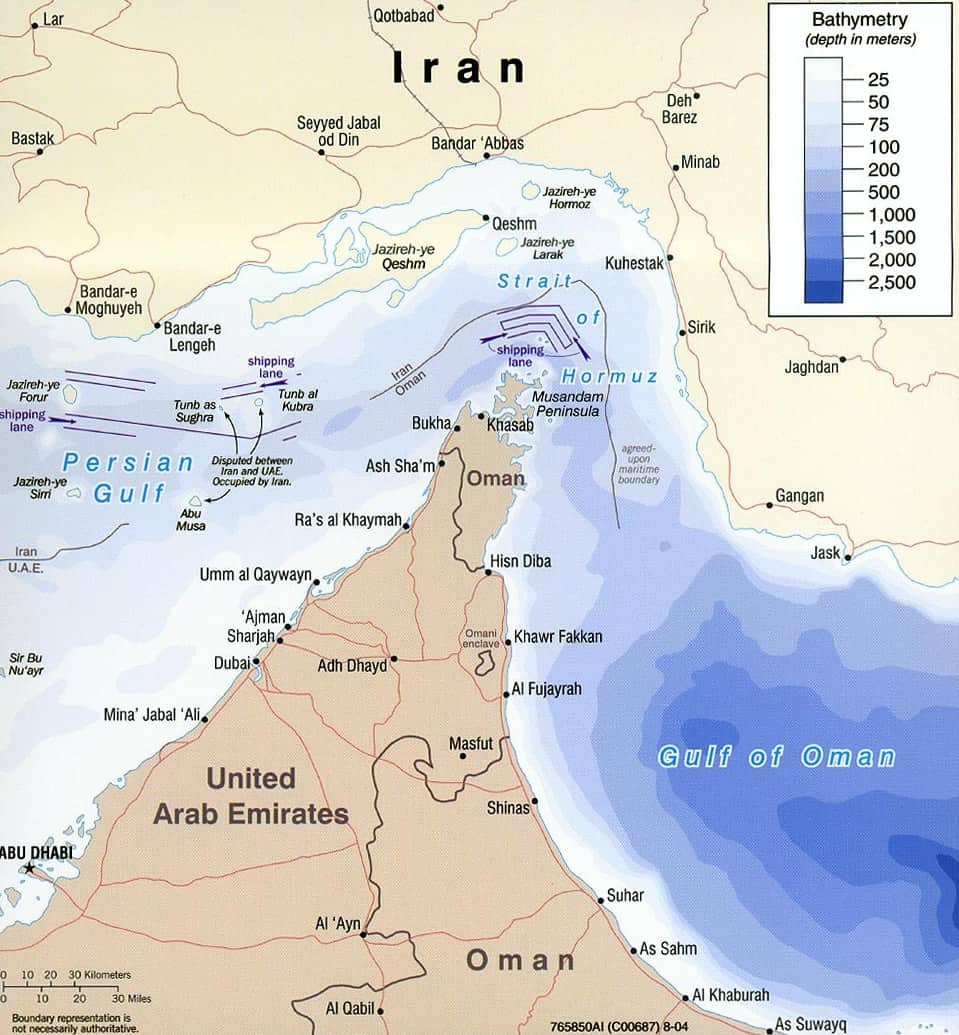


Comments
Be the first to comment.