CBSA Warns FIFA World Cup Ticket Is Not a Ticket Into Canada
The Canada Border Services Agency issued a blunt warning this week to international football fans planning to travel to Toronto and Vancouver for the 2026 FIFA World Cup: a match ticket is not a ticket into the country, and fans without the proper travel documents will be turned back at the border. The advisory, posted across the agency's online channels and shared with airlines, embassies, and tournament organisers, comes as the world's biggest sporting event approaches its June 11 kickoff in Mexico City.
Officials said the warning was prompted by mounting questions from prospective travellers, some of whom have asked CBSA call centres whether possession of a World Cup ticket would substitute for a Canadian visa or for travel authorisation under existing programmes. It does not. There is no special FIFA visa, and the standard entry rules apply to every international traveller arriving at Canadian ports of entry, regardless of whether they are coming for football, business, or family visits.
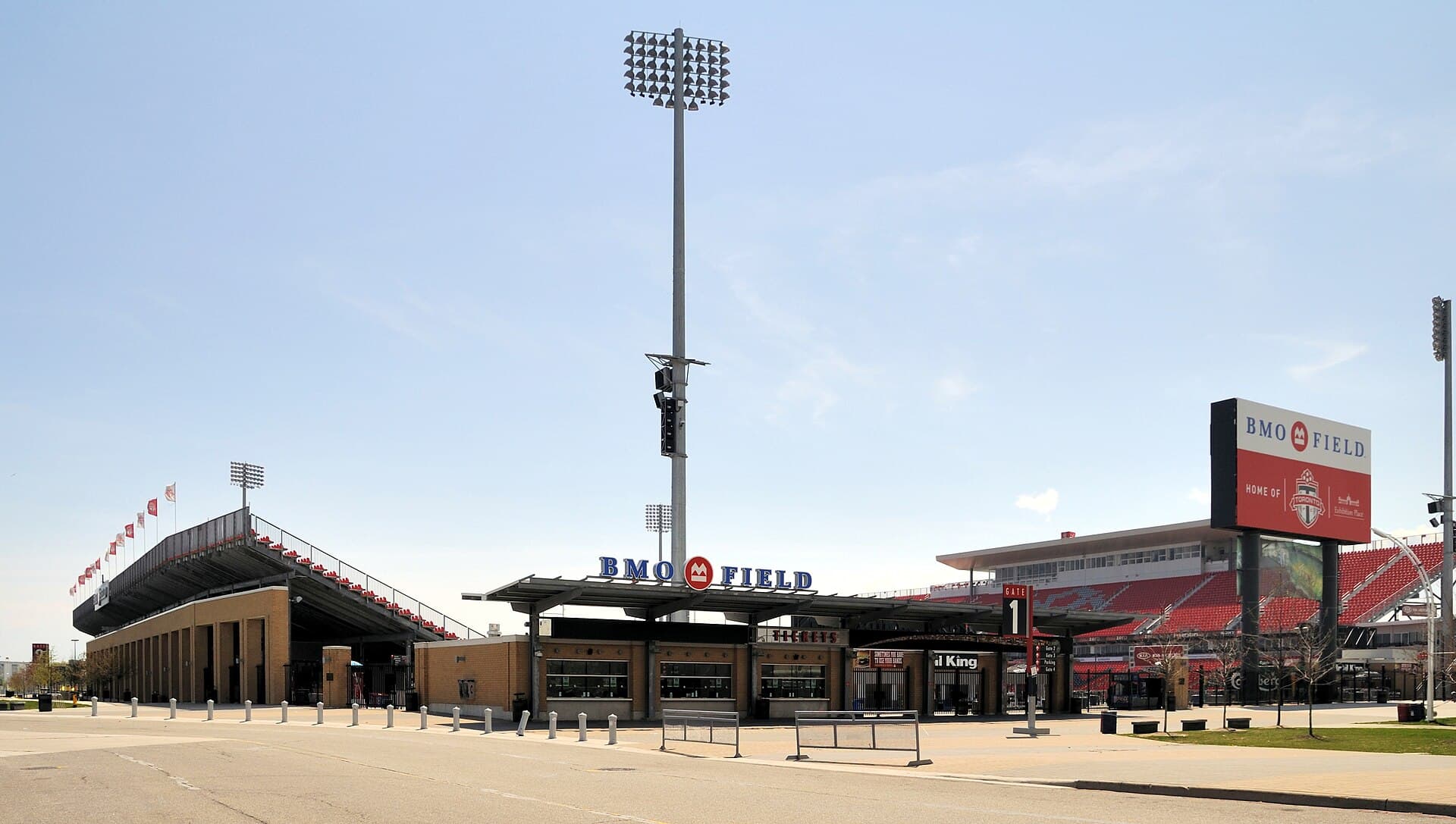
For Canada, the World Cup represents both an enormous opportunity and an enormous logistical test. Toronto's BMO Field will host six matches, and Vancouver's BC Place will host seven, with hundreds of thousands of foreign fans expected to travel through Canadian airports, land borders, and downtown cores during the five-week tournament. CBSA officials said preparations are well underway but emphasised that the burden of compliance ultimately falls on individual travellers.
The agency's core message
The CBSA's central message is simple. Travellers who require an electronic travel authorisation, commonly known as an eTA, to enter Canada must obtain one before they board their flight. Travellers who require a visitor visa must apply for and obtain it well in advance, factoring in current processing times that can stretch several weeks or longer for some nationalities.
A FIFA-issued accreditation or ticket does not change those requirements. Officials acknowledged that some prospective travellers may have assumed otherwise based on past mega-events that included specialised entry pathways, but Canada has not created any such pathway for the 2026 tournament.
Travellers who arrive without valid documents face the same outcome as in any other circumstance: they will be denied entry and returned to their port of origin. CBSA officers said the volume of cases is expected to rise during tournament dates, particularly for fans flying directly into Toronto Pearson or Vancouver International airports from countries whose nationals require visas to enter Canada.
Border traffic and wait times
Game days are expected to bring significantly increased border traffic at land crossings between Canada and the United States, particularly at Niagara Falls and Sarnia for Toronto-bound traffic, and at the Peace Arch crossing south of Vancouver. CBSA has been preparing for surges in both passenger and commercial traffic, and the agency has urged travellers to build extra time into their plans.
Officials said the agency will deploy additional staff, expanded automated kiosk capacity, and increased canine and intelligence resources to manage the surge. However, they cautioned that no amount of preparation can fully eliminate the risk of multi-hour delays during peak periods on match days.
For air travellers, the agency is encouraging the use of the Advance Declaration system available at Toronto Pearson, Vancouver, and Montreal Pierre Elliott Trudeau airports. The system allows travellers to declare goods and complete portions of their entry process before they reach the kiosk, shaving time off the overall processing experience.
Security and intelligence preparations
Behind the scenes, the CBSA has been working with the Royal Canadian Mounted Police, provincial police forces, U.S. Customs and Border Protection, and Mexican counterparts on coordinated security and intelligence sharing. Officials said the agency has positioned personnel, equipment, and intelligence assets specifically for the tournament, with a focus on preventing the entry of weapons, dangerous drugs, and individuals tied to organised crime.
The tournament also intersects with broader Canadian border priorities, including reducing fentanyl and methamphetamine flows, both of which have been at the centre of trade and political disputes with the Trump administration. The CBSA has used the World Cup preparation cycle to invest in expanded scanning capacity at major ports, particularly for vehicles and commercial cargo.
Officials said that travellers should expect the same level of scrutiny they would face at any other time, including questioning about the purpose of their trip, their planned itinerary, and their financial means to support themselves during their stay. The fact of attending a World Cup match does not exempt anyone from those standard interactions.
What fans should bring
The CBSA published a detailed checklist of documents and information travellers should have ready when they approach a Canadian port of entry. The list includes a valid passport, the appropriate visa or eTA, proof of accommodation, return travel documents, sufficient funds, and any match tickets the traveller plans to use.
Travellers from visa-required countries, including many fans expected to support Group B teams Bosnia and Herzegovina, Qatar, and Switzerland in their matches against Canada, were urged to apply for visas as early as possible. Processing times vary by country of application and have stretched into months for some nationalities, particularly during the spring application surge.
The agency also reminded travellers that bringing prohibited items, including certain food products, weapons, and undeclared cash above ten thousand Canadian dollars, can result in confiscation, fines, and denial of entry. Officials said the rules apply identically to fans, players, journalists, and tournament officials.
The economic stakes
For Toronto and Vancouver, the tournament represents an enormous economic opportunity. City officials in both host cities project tens of thousands of incremental international visitors, hundreds of millions of dollars in direct spending, and a tourism profile boost that could last for years after the tournament ends.
However, those benefits depend on actually getting fans through the border efficiently and on ensuring that those who arrive have a positive experience. Officials said the goal is to project an open, welcoming Canada while still enforcing the rules and security standards that apply to every traveller.
The CBSA emphasised that the warning about travel documents is not a discouragement to international visitors. On the contrary, the agency said clearer up-front information is intended to reduce the number of travellers who arrive unprepared and to ensure that those who do come are processed as smoothly as possible.
Toronto and Vancouver readiness
Both host cities have spent the past several months refining their tournament plans. BMO Field has completed a one-hundred-and-forty-six-million-dollar renovation that lifted capacity past the FIFA-required forty-thousand minimum, with most of the work funded by the City of Toronto and a smaller share contributed by Maple Leaf Sports and Entertainment.
BC Place in Vancouver is wrapping up a roughly one-hundred-and-ninety-six-million-dollar upgrade that included the installation of a grass playing surface and significant security perimeter work. The provincial government has estimated total provincial spending on hosting at between five hundred and thirty-two million dollars and six hundred and twenty-four million dollars.
Both cities have also been preparing fan festivals, watch parties, expanded transit service, and security coordination, recognising that the impact of the tournament will extend well beyond the matches themselves. Police and municipal officials have urged residents to plan for traffic disruption and to consider remote work options where possible during match days.
Lessons from past mega-events
Canada's experience hosting the 2010 Vancouver Winter Olympics, the 2015 FIFA Women's World Cup, and the 2017 Invictus Games has informed the CBSA's planning for the 2026 tournament. Each of those events generated significant cross-border traffic and required close coordination between border agencies, security forces, and local authorities. The current tournament dwarfs each of those previous events in scale and global reach.
Officials said that one lesson from past mega-events is the importance of clear, repeated communication about entry requirements well in advance of arrival. Travellers who learn about visa requirements at the airport check-in counter face significantly poorer outcomes than those who plan ahead, and the agency has worked to push relevant information out through every channel it can.
Another lesson concerns the importance of building flexibility into staffing models. Border surges around major events do not align neatly with regular shift patterns, and the agency has been negotiating overtime and rotation arrangements with its workforce throughout the spring to ensure adequate coverage on peak days.
Tourism revenue and operator preparations
Tourism Toronto and Destination Vancouver have both been working with hotels, restaurants, and transportation operators to prepare for the influx of international visitors. Hotel pricing in both cities is already at record levels for the match windows, and short-term rental platforms have reported significant booking activity for the tournament period.
Local restaurants and entertainment venues have been planning World Cup themed programming, with neighbourhoods featuring large international communities preparing fan-friendly venues for matches involving their respective countries. Toronto's diverse cultural mix is expected to produce one of the most distinctive watch party scenes of any host city.
Public transit authorities in both cities have been planning expanded service for match days, including additional trains, buses, and shuttle services to ensure that fans can move between stadiums, fan festivals, and hotels without overwhelming road networks. Both cities have urged residents to use transit during the tournament period.
What's next
The tournament opens on June 11 with games in Mexico City and Guadalajara. Canada plays its first match in Toronto on June 12 against Bosnia and Herzegovina, followed by Vancouver matches on June 18 against Qatar and June 24 against Switzerland.
The CBSA will continue to publish updated guidance and reminders through its social media channels and in coordination with tournament organisers. Officials urged anyone planning to travel to Canada during the tournament to consult the agency's official guidance before booking and to apply for visas or eTAs immediately if they have not already done so.
Spotted an issue with this article?
Have something to say about this story?
Write a letter to the editor


Comments
Be the first to comment.