Measles Cases Surge Across Canada as Vaccine Coverage Slips

Canada is confronting one of its most serious measles outbreaks in decades, with more than 900 cases reported across the country since the start of the year. The surge comes after Canada lost its hard won measles elimination status late last year, a milestone that public health experts describe as both a warning and a setback for a disease that was once considered conquered.
The scale of the outbreak
According to public health monitoring, the number of measles cases reported nationally this year has climbed past 900, a striking total for a disease that vaccination had largely banished from Canadian life. The cases are not evenly distributed, with some provinces bearing a far heavier burden than others.
Manitoba has reported the largest share, with hundreds of cases, followed by Alberta with a substantial caseload of its own. Smaller numbers have been recorded in British Columbia, Ontario and several other provinces. The concentration of cases in particular regions reflects pockets of lower vaccination coverage where the highly contagious virus can spread rapidly.
Measles is among the most infectious diseases known, capable of spreading through the air and lingering in spaces after an infected person has left. In communities where immunisation rates fall below the threshold needed for herd immunity, a single case can quickly seed a wider outbreak, which is precisely the dynamic now playing out in parts of the country.
Losing elimination status
Canada had been recognised for years as having eliminated measles, meaning the disease was no longer continuously transmitted within its borders and cases were typically traced to travel. That status was lost late last year, a development that signalled measles had regained a foothold and was once again circulating domestically.
The loss of elimination status is more than a symbolic blow. It reflects a real erosion in the population level protection that had kept the disease at bay, and it raises the prospect of recurring outbreaks if vaccination coverage is not restored. Public health officials have treated the milestone as a call to action.
Regaining elimination status requires sustained effort to interrupt transmission and rebuild immunity across the population. That process can take time, and it depends heavily on convincing parents and communities to keep up with routine childhood immunisation, which provides durable protection against the virus.
The role of misinformation
Canadian physicians and public health experts have pointed to vaccine misinformation as a significant driver of the current outbreak. The spread of false or misleading claims about vaccine safety has eroded confidence in immunisation among some communities, contributing to the coverage gaps that allow measles to spread.
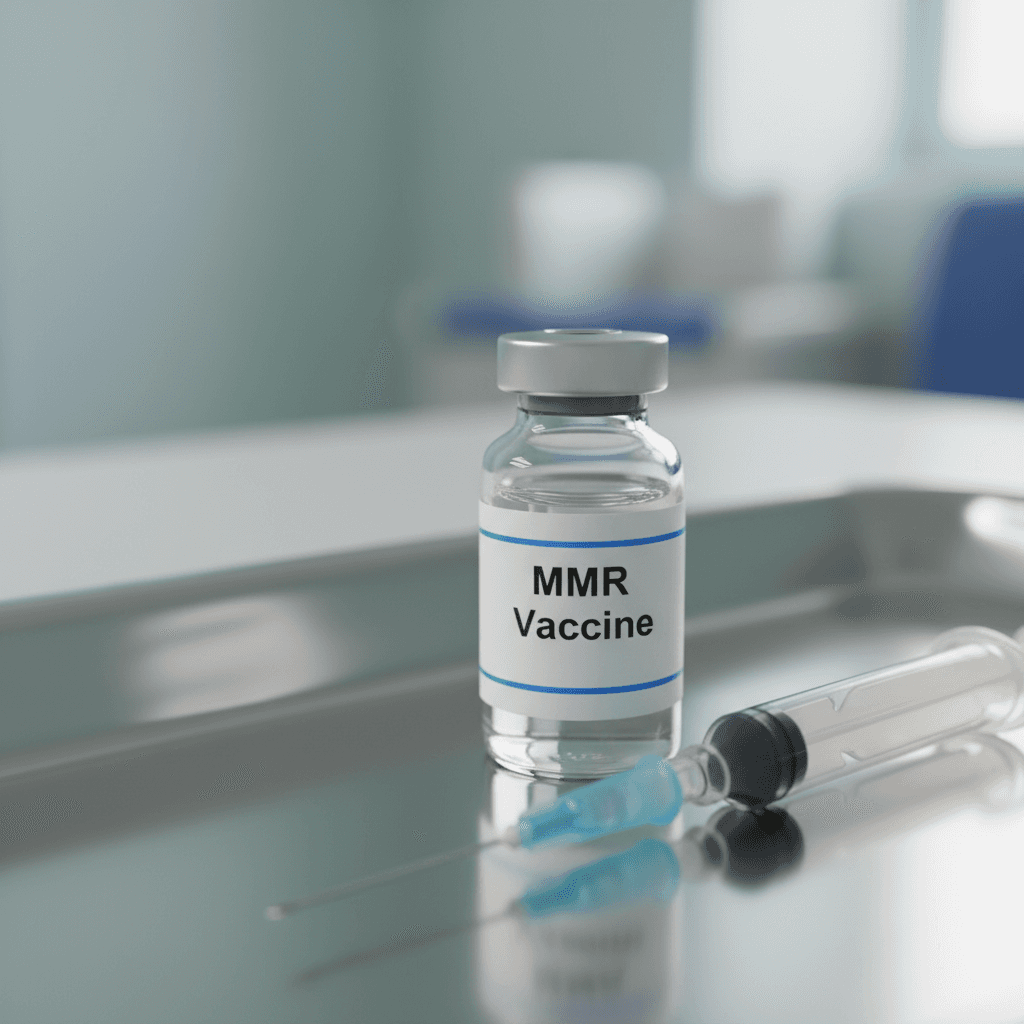
The measles, mumps and rubella vaccine is highly effective and has an extensive safety record built over decades of use. Two doses provide strong, lasting protection, and widespread uptake is what allowed Canada to eliminate the disease in the first place. The resurgence underscores how quickly that protection can fray when confidence falters.
Countering misinformation has become a central challenge for public health authorities, who must compete with viral falsehoods circulating online. Health officials have emphasised clear, trustworthy communication about the benefits and safety of vaccination, and have urged Canadians to seek information from credible medical sources.
Who is most at risk
Measles can cause serious complications, particularly in young children, pregnant individuals and people with weakened immune systems. While many cases resolve, the disease can lead to pneumonia, brain inflammation and, in rare instances, death. Infants too young to be vaccinated are especially vulnerable and depend on the immunity of those around them.
The concentration of cases in specific communities means the risk is not uniform across the country. Where vaccination rates are high, the broader population remains well protected. The danger is greatest in areas where coverage has slipped, leaving clusters of susceptible individuals exposed to a virus that spreads with extraordinary ease.
Public health authorities typically respond to outbreaks with measures such as contact tracing, targeted vaccination campaigns and public advisories. These efforts aim to contain spread and to close immunity gaps, but their success depends on community cooperation and on overcoming the hesitancy that fuelled the outbreak.
What it means for Canadians
The outbreak is a reminder that diseases once thought defeated can return when public health defences weaken. For Canadian families, the most direct implication is the importance of staying current with recommended vaccinations, both to protect their own children and to safeguard the broader community.
The situation also carries lessons for the health care system, which must manage the strain of responding to outbreaks while continuing to deliver routine care. Investments in immunisation programs, public education and outbreak response capacity are central to preventing measles from becoming a recurring feature of Canadian life.
More broadly, the resurgence highlights the corrosive effect of health misinformation, a challenge that extends well beyond measles. Rebuilding trust in established medical guidance is a long term project, but one with immediate consequences for the spread of preventable disease.
Why vaccination coverage is decisive
Measles is extraordinarily contagious, far more so than most diseases. A single infected person can transmit the virus to a large number of susceptible contacts, and the virus can linger in the air for a period after an infected individual has left a space. That contagiousness means very high vaccination coverage is required to prevent outbreaks.
Public health experts generally cite a threshold of roughly ninety five per cent coverage with two doses of the vaccine to maintain herd immunity, the level of population protection that prevents sustained transmission. When coverage dips below that threshold, even in localised communities, the virus can find enough susceptible individuals to spread rapidly.
That dynamic explains why the outbreak has concentrated in particular regions and communities. Where coverage remains high, the broader population is well protected, but pockets of lower immunisation create the conditions for the virus to take hold. Closing those gaps is the central task in bringing the outbreak under control.
A challenge beyond Canada
Canada's outbreak is part of a broader resurgence of measles in several countries, driven by similar factors including disruptions to routine immunisation and declining confidence in vaccines. The disease respects no borders, and travel can reintroduce the virus into communities where immunity has weakened, seeding new outbreaks.
The global dimension complicates containment. Even as Canadian authorities work to raise coverage at home, the circulation of measles elsewhere means the risk of importation persists. Sustained vigilance and high immunisation rates are required not just to end the current outbreak but to guard against future ones.
International health bodies have warned that hard won progress against measles is at risk in many parts of the world, a reminder that the disease remains a serious threat wherever immunity falters. Canada's experience reflects a challenge being felt across many countries grappling with vaccine hesitancy and gaps in coverage.
Rebuilding confidence
At the heart of the response is the task of rebuilding public confidence in vaccination. Health authorities face the difficult work of countering misinformation with clear, trustworthy communication, often competing against compelling but false claims that spread rapidly online. Restoring trust is a long term effort that extends well beyond any single outbreak.
Effective approaches tend to emphasise meeting people where they are, addressing concerns with empathy and credible information rather than dismissal, and working through trusted community voices. Health care providers, in particular, play a crucial role, as recommendations from a trusted physician remain among the most influential factors in vaccination decisions.
The stakes extend beyond measles. The erosion of vaccine confidence threatens protection against a range of preventable diseases, making the rebuilding of trust a public health priority with implications well beyond the current crisis. The measles outbreak has become a stark illustration of what is at risk when confidence falters.
The cost of complacency
The resurgence of a disease that Canada had eliminated stands as a cautionary tale about the dangers of complacency. The very success of vaccination in banishing measles from everyday life may have contributed to a sense that the threat had passed, making it easier for hesitancy to take root and coverage to slip.
Public health officials warn that maintaining protection requires ongoing effort and vigilance, not a one time achievement. Diseases held at bay by vaccination can return quickly when immunity wanes, as the current outbreak demonstrates. The loss of elimination status is a tangible reminder that past gains cannot be taken for granted.
For Canadians, the episode underscores the shared responsibility that underpins public health. High vaccination coverage protects not only individuals but entire communities, including those who cannot be vaccinated. Restoring and sustaining that protection is the surest way to prevent measles from becoming a recurring threat in Canadian life.
What is next
Public health officials will continue to track case counts and to mount vaccination and containment efforts in the hardest hit regions. The trajectory of the outbreak will depend largely on whether immunisation coverage can be raised in the communities where it has fallen, and on how effectively misinformation can be countered.
For now, the message from health authorities is straightforward. Vaccination remains the most effective protection against measles, and restoring high coverage is the surest path to bringing the outbreak under control and, eventually, to reclaiming the elimination status Canada worked so hard to achieve.
For Canadian families, the outbreak is a sobering reminder that the protection afforded by vaccination is not permanent but depends on sustained effort and collective participation. The resurgence of a disease once consigned to history has reopened questions about how public health is maintained in an age of misinformation and eroding trust. Meeting that challenge will require not only medical expertise but patient, persistent engagement with the communities where confidence has faltered. The path back to elimination is clear, even if it is not easy, and it runs through the restoration of the high vaccination coverage that kept measles at bay in Canada for so long.
Spotted an issue with this article?
Have something to say about this story?
Write a letter to the editor

Comments
Be the first to comment.