Measles Cases Surge Past 900 as Canada Grapples With Loss of Elimination Status

Canada is confronting one of its most serious measles outbreaks in decades, with more than 900 cases reported across the country since the start of the year and clusters continuing to flare in several provinces. The surge follows the loss of Canada's measles elimination status late last year, a milestone reversal that public health officials had warned could happen if vaccination rates continued to slip.
The scale of the outbreak
According to national monitoring, Canada has recorded more than 900 measles cases since the beginning of the year, a figure that dwarfs typical annual counts from the period when the disease was considered eliminated. Measles is among the most contagious illnesses known, capable of spreading rapidly through unvaccinated populations.
The geographic distribution is uneven. Manitoba has reported the largest share of cases, followed by Alberta, with smaller numbers in British Columbia, Ontario, Nova Scotia, Quebec and Saskatchewan. The concentration in particular provinces and communities reflects pockets of lower immunisation coverage where the virus can take hold and circulate.
Public health authorities track these figures closely because measles outbreaks can escalate quickly. A single case in an under-vaccinated community can lead to many infections, and the virus can linger in the air for hours after an infected person has left a space, making containment difficult once transmission begins.
Losing elimination status
The current outbreak takes on added significance because Canada lost its measles elimination status late last year. Elimination is a public health designation indicating that a disease is no longer continuously transmitted within a country's borders over a sustained period. Losing it means measles has been circulating domestically for long enough to reverse a hard-won achievement.
For a country that had maintained elimination for years, the change is a sobering marker. It reflects not a single event but a gradual erosion, as immunisation rates in some communities fell below the threshold needed to maintain the herd immunity that protects everyone, including those who cannot be vaccinated for medical reasons.
Health officials have framed the loss of status as both a warning and a call to action. Restoring elimination would require sustained increases in vaccination coverage and the interruption of ongoing transmission chains, goals that depend heavily on public cooperation and access to immunisation.
Provinces respond
Provinces have moved to expand access to vaccines and to contain spread. In Manitoba, where case counts have been highest, authorities authorised pharmacists to administer the measles vaccine, broadening the points of access for residents in a defined age range. Expanding who can deliver vaccines is a common tactic for reaching more people quickly during an outbreak.
Quebec, which has experienced repeated outbreaks in recent years, continues to monitor and respond to new clusters. The recurrence of outbreaks in the province underscores how measles can return again and again where immunity gaps persist, even when overall provincial coverage appears adequate.
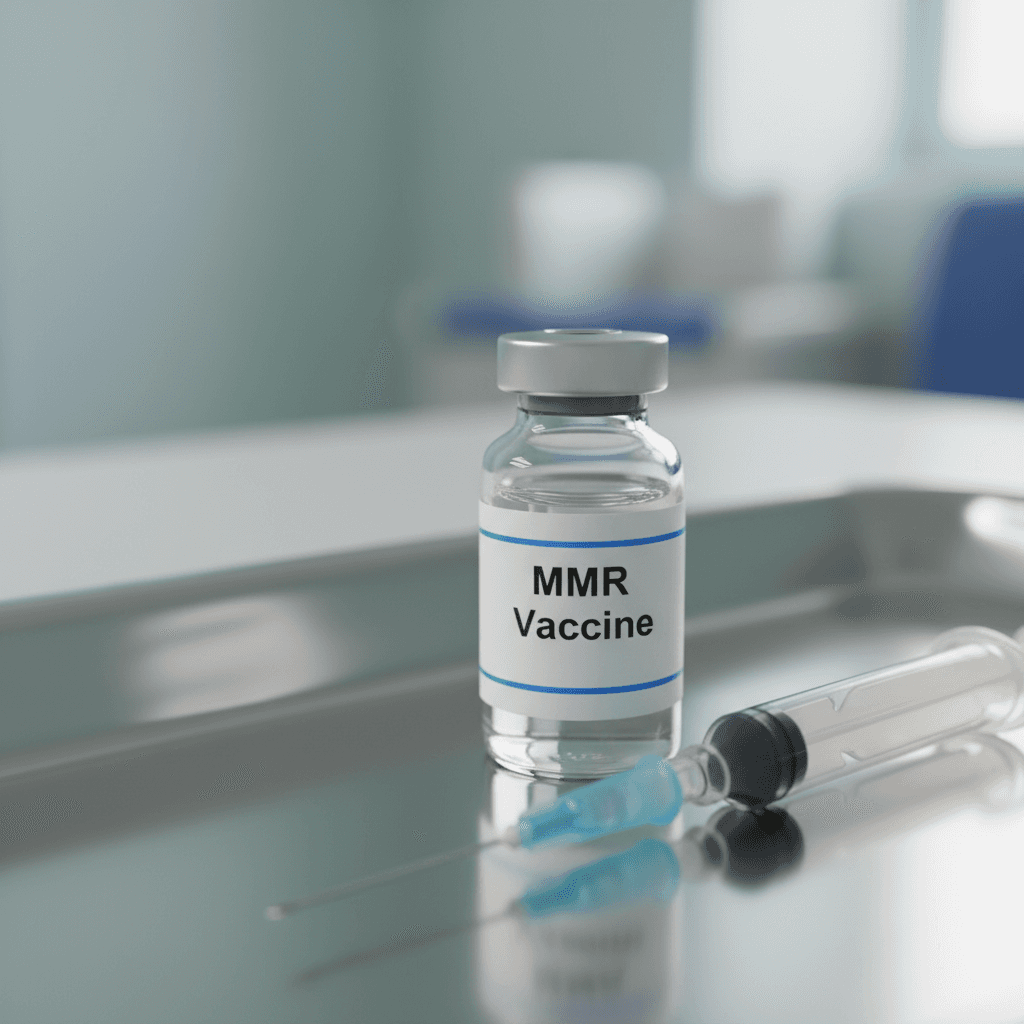
Across jurisdictions, the public health message has centred on the measles, mumps and rubella vaccine, which is highly effective when both recommended doses are received. Officials have urged Canadians to check their immunisation records and to ensure children are up to date, particularly before travel or the start of school terms.
Why vaccination rates matter
The resurgence of measles is widely understood to be a consequence of declining vaccination coverage in some communities. Measles requires very high levels of immunity in a population to prevent sustained spread, typically around 95 per cent, a threshold that leaves little room for complacency.
When coverage dips below that level, the virus finds enough susceptible people to circulate. Factors contributing to lower uptake can include misinformation, access barriers, complacency born of the disease's former rarity and disruptions to routine immunisation. The result is that gaps in one community can seed outbreaks that ripple outward.
Public health experts stress that measles is not a benign childhood illness. It can cause serious complications, including pneumonia and inflammation of the brain, and can be especially dangerous for infants, pregnant individuals and people with weakened immune systems. The stakes of falling coverage are therefore measured in preventable hospitalisations and, in severe cases, deaths.
The strain on the health system
Outbreaks place demands on an already stretched health system. Tracing contacts, managing exposures, running immunisation clinics and caring for those who fall ill all require resources and coordination. In communities with limited health infrastructure, the burden can be significant.
The need to investigate each case and notify potential contacts is labour-intensive, and the speed of measles transmission means public health teams must act quickly. Sustained outbreaks across multiple provinces multiply that workload and can divert attention from other priorities.
For families, the practical effects include exposure notifications, quarantine recommendations for the unvaccinated and the anxiety of managing a highly contagious illness. Schools, daycares and health facilities are common settings for exposure, adding to the disruption.
What it means for Canadians
For most Canadians who are fully vaccinated, the personal risk from the current outbreak remains low, given the strong protection the vaccine provides. The greater concern lies with unvaccinated and under-vaccinated individuals and with the communities where coverage has fallen.
The outbreak also serves as a broader reminder of the fragility of public health gains. Diseases that were once controlled can return when vigilance lapses, and maintaining elimination requires ongoing effort rather than a one-time achievement. The loss of status illustrates how quickly progress can unwind.
For policymakers, the situation raises questions about how to rebuild and sustain immunisation coverage, counter misinformation and ensure equitable access to vaccines. Those challenges extend beyond any single outbreak and speak to the resilience of the country's public health defences.
The misinformation challenge
Public health officials point to the spread of misinformation as a significant obstacle to raising vaccination rates. False or misleading claims about vaccine safety, often amplified online, have contributed to hesitancy in some communities, undermining confidence in immunisation that had once been widely accepted.
Countering misinformation is a delicate task. Health authorities must rebuild trust through clear, consistent communication while respecting the concerns that lead some families to hesitate. Heavy-handed messaging can backfire, making patient engagement and dialogue more effective than confrontation in many cases.
The challenge is compounded by the speed at which misleading content can circulate and by the erosion of trust in institutions more broadly. Restoring high vaccination coverage therefore depends not only on access to vaccines but on the harder work of rebuilding public confidence in the science behind them.
Lessons from past outbreaks
Measles has a long history as a barometer of the health of immunisation systems. Because the virus is so contagious, it is often the first disease to return when vaccination coverage slips, serving as an early warning of wider vulnerabilities in public health defences.
Previous outbreaks, both in Canada and abroad, have demonstrated how quickly the disease can spread and how difficult it can be to contain once established. They have also shown that targeted vaccination campaigns, combined with effective public communication, can bring outbreaks under control when implemented decisively.
The current situation echoes patterns seen elsewhere, where declining coverage led to the resurgence of a disease once considered conquered. Those experiences underscore the importance of sustained vigilance and the danger of complacency once a disease becomes rare.
For Canadian health authorities, the lessons are clear. Maintaining high vaccination rates, investing in public health infrastructure and communicating effectively with the public are essential to preventing outbreaks and to restoring the elimination status the country has lost.
The role of communities
Containing an outbreak ultimately depends on the cooperation of communities and individuals. Public health measures work best when families understand the risks, check their immunisation status and take advantage of available vaccines, making community engagement essential.
Health authorities have sought to work with community leaders, schools and local organisations to reach populations where coverage has lagged. Trusted local voices can be more effective than distant officials in encouraging vaccination and addressing concerns.
The uneven distribution of cases underscores the importance of targeted efforts. Reaching specific communities with tailored outreach, rather than relying solely on broad campaigns, is often the key to closing the immunity gaps that allow outbreaks to take hold.
The current outbreak is a reminder that public health is a shared responsibility. Individual choices about vaccination have consequences for entire communities, particularly for those who cannot be vaccinated and depend on the protection that high coverage provides.
A test of the health system
The outbreak serves as a broader test of the resilience of Canada's public health infrastructure, much of which was strained in recent years and is still recovering. The capacity to mount an effective response, from contact tracing to immunisation campaigns, depends on resources and personnel that vary considerably across regions and jurisdictions.
The experience is likely to inform discussions about how to strengthen public health systems for the future, ensuring they are equipped to handle outbreaks of highly contagious diseases. The lessons drawn from the current situation could shape investments and policies aimed at preventing a recurrence and at restoring the protections that have eroded.
What's next
Seasonal factors, including summer travel and gatherings, could influence how the outbreak develops in the coming weeks, adding urgency to vaccination efforts. Public health teams will be monitoring closely for new clusters and exposures.
Surveillance and rapid response will remain central to containment, as officials work to interrupt transmission chains before they spread further. The effectiveness of these efforts will shape whether the outbreak is brought under control or continues to grow.
In the near term, provinces will continue efforts to vaccinate, trace contacts and contain clusters, with attention focused on the hardest-hit regions. The trajectory of the outbreak will depend on how effectively immunity gaps can be closed.
Over the longer term, Canada faces the task of working back toward elimination, a goal that hinges on durable improvements in vaccination rates. Until then, public health officials are likely to keep urging Canadians to check their records and get immunised, framing it as the most effective protection against a disease that has made an unwelcome return.
Spotted an issue with this article?
Have something to say about this story?
Write a letter to the editor


Comments
Be the first to comment.