Snowbirds to Be Grounded After 2026 Season as Ottawa Buys New Jets
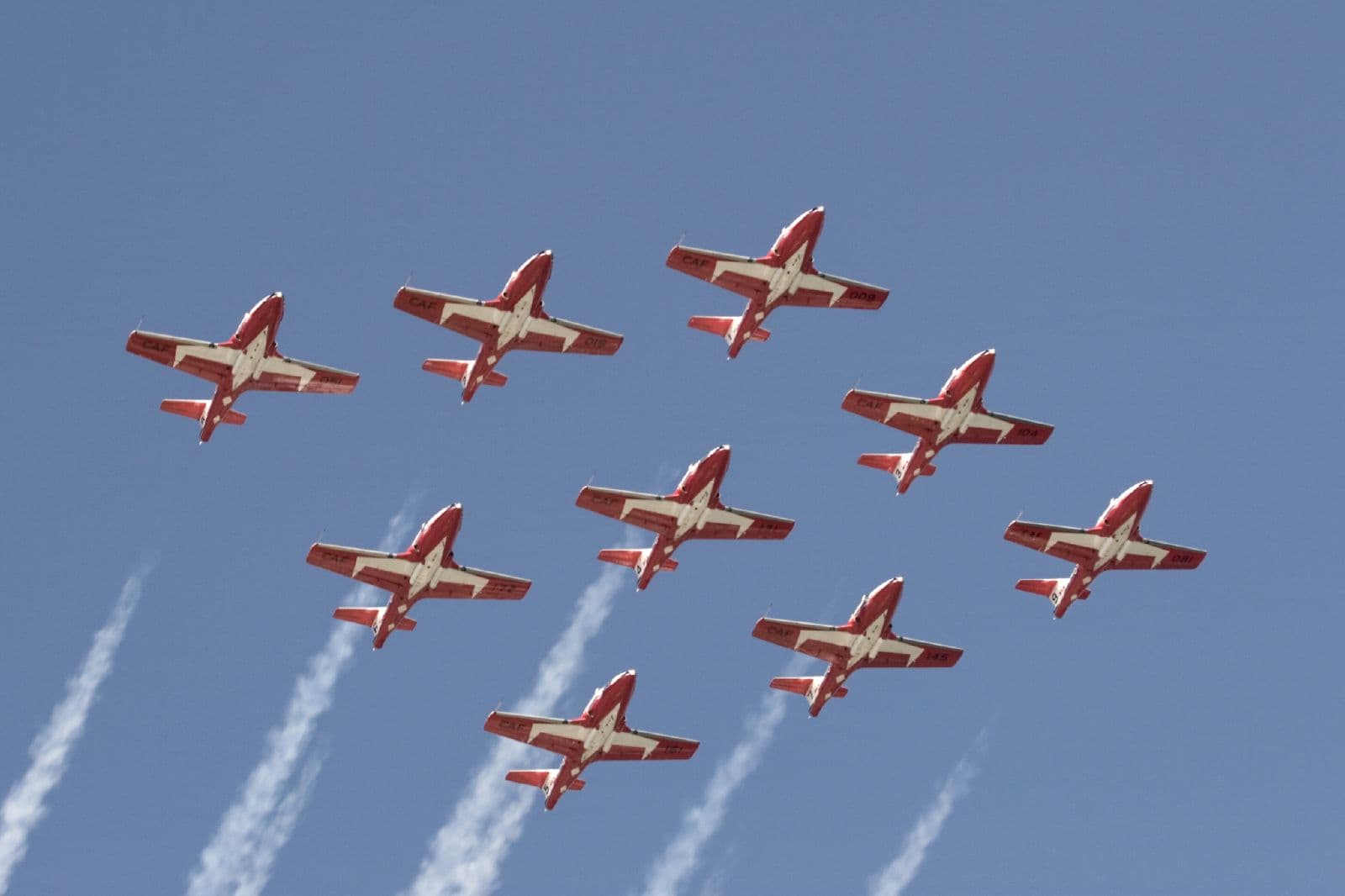
Canada's iconic Snowbirds demonstration squadron will be grounded after the 2026 flying season and will remain so until replacement aircraft are delivered, the Department of National Defence has confirmed. The decision, announced alongside a commitment to procure a new air demonstration capability for the Royal Canadian Air Force, marks the beginning of the end for the aging jets that have defined the team for more than half a century, and the start of an uncertain interlude for one of the country's most beloved national symbols.
What was announced
The defence department said the government will move to acquire a future air demonstration capability for the Royal Canadian Air Force, replacing the Snowbirds' current fleet of CT-114 Tutor jets. Officials indicated that the existing aircraft will fly through the 2026 season before the squadron is grounded, with a gap expected until the new planes are in service. The announcement provided long-awaited clarity on the team's future, even as it confirmed an interruption many had feared.
The Tutors at the heart of the team date back to the 1960s, making them among the oldest aircraft still in regular use anywhere in the Canadian military. Keeping a fleet of that vintage airworthy has grown increasingly difficult and costly, with parts harder to source and maintenance demands rising as the airframes age. The economics and the safety considerations of operating such elderly aircraft had been pushing toward a reckoning for years.
The announcement effectively confirms what aviation observers have anticipated for years: that the Tutors are nearing the end of their operational life and that a replacement decision could no longer be deferred. The commitment to procure new aircraft provides a path forward, even as it leaves open questions about timing, cost and what type of aircraft will ultimately carry the team into its next era.
A pause in the skies
The most immediate consequence for Canadians is that the familiar sight of nine jets streaking across the sky in tight formation will disappear for a period once the 2026 season concludes. The length of that hiatus will depend on how quickly a procurement process can be completed and new aircraft delivered, a timeline that defence projects rarely manage to keep short given the complexity of military acquisitions.
Reporting on the decision suggests the gap could extend into the 2030s before a new fleet is fully operational. For a team that has performed at airshows, national celebrations and community events across the country for generations, an absence of several years represents a significant interruption to a cherished tradition, and a noticeable void in the summer calendar of communities that host the team.
The grounding is a safety and practicality measure as much as anything. Operating high-performance aerobatics in aircraft that are decades old carries risks, and the team has experienced incidents over the years that underscored the challenges of flying older equipment at the limits of its performance. Retiring the Tutors removes a source of growing concern even as it imposes a difficult pause.
The Snowbirds' place in Canadian life
Since their formation, the Snowbirds have become one of the most recognisable symbols of the Canadian Armed Forces and a fixture of public life. Their displays draw large crowds at airshows from coast to coast, and their flypasts have marked countless national occasions, often serving as many Canadians' most direct connection to the air force and to the military more broadly.
The team has also functioned as an ambassador for the military, showcasing the skill of Canadian pilots and supporting recruitment at a time when the armed forces face persistent personnel shortages. The precision and discipline on display have long been a point of national pride that transcends the technical details of the aircraft involved, and the team's appearances have inspired generations of young Canadians to consider careers in aviation and the forces.
That cultural significance helps explain why a decision about an aging training jet has drawn broad public attention. The Snowbirds are not merely a piece of military equipment but a tradition woven into the fabric of Canadian summers, and the prospect of their temporary absence resonates well beyond aviation circles, touching communities and families who have watched the team for decades.
The wider defence context
The Snowbirds decision comes amid a broader push to modernise and reinvest in the Canadian Armed Forces. The federal government has committed to substantially increasing defence spending in line with commitments made alongside allies, a trajectory that involves major procurement decisions across the military, from fighter jets to ships to support aircraft, as the country works to rebuild capabilities that have eroded over years of underinvestment.
Those commitments carry significant fiscal weight. Meeting alliance benchmarks for defence investment will require Ottawa to find tens of billions of dollars in additional spending in the years ahead, and the air demonstration fleet is one small piece of a much larger and more expensive modernisation effort that will dominate defence budgets for the foreseeable future.
The challenge for the government will be balancing high-profile and symbolically important programmes like the Snowbirds against the core combat capabilities that drive most defence spending. Officials will need to make the case that investing in a demonstration team remains worthwhile alongside the more pressing demands of equipping the forces for their primary missions, a judgment that involves weighing morale and public engagement against hard operational priorities.
What it means for communities
For the many communities that host airshows and rely on the Snowbirds as a marquee attraction, the grounding will be felt directly. The team's appearances draw visitors and generate economic activity, and organisers of summer events will need to adjust their plans for the years the squadron is out of service, potentially turning to other performers to fill the gap left by the country's signature team.
The team's home base and the personnel associated with it will also be affected, raising questions about how pilots and ground crews will be employed during the hiatus. The defence department will need to manage the transition in a way that preserves the expertise required to stand the team back up once new aircraft arrive, lest the institutional knowledge built over decades dissipate during the pause.
For aviation enthusiasts and the general public alike, the coming season takes on added significance as potentially the last opportunity for some time to see the Tutors fly. That is likely to draw larger-than-usual crowds to the team's 2026 appearances as Canadians take in a tradition before it pauses, lending the final season a sense of occasion and farewell.
Weighing tradition against budgets
The decision invites a broader debate about how a country balances the symbolic and the practical in its defence spending. Demonstration teams like the Snowbirds serve no direct combat function, yet their value in inspiring national pride, supporting recruitment and connecting the public to the armed forces is real, if difficult to quantify. As the military competes for resources to rebuild core capabilities, the case for investing in a demonstration capability rests on those intangible benefits, and the government will need to articulate clearly why the tradition is worth preserving at a time of competing demands.
The aircraft replacement decision itself will draw scrutiny. Procurement choices of this kind involve trade-offs between cost, performance and the suitability of an aircraft for precision aerobatic flying, and the options range from purpose-built display jets to adapted trainers. The selection will shape the look and capability of the team for decades, and observers will watch closely to see whether the government opts for a Canadian-linked solution that supports the domestic aerospace industry or a more conventional off-the-shelf purchase, a choice with economic as well as operational dimensions.
The timeline will be the most consequential variable. Defence procurements in Canada have a long history of delays, and a protracted process could extend the period during which the Snowbirds are grounded well beyond initial expectations. Each year of absence risks eroding the institutional knowledge and public connection that the team has built over generations, raising the stakes of keeping the project on schedule. Managing the procurement efficiently will be essential to ensuring the team returns before its tradition fades from memory.
There is also a human element to manage in the interim. The pilots, technicians and support staff who make up the team possess specialised expertise that cannot easily be recreated, and the air force will need a plan to retain or redeploy that talent during the hiatus. Preserving the core of the team, even without aircraft to fly, will be important to a smooth revival once new planes arrive, and to maintaining the standard of excellence the Snowbirds have long represented.
What's next
The government's commitment to procure a new air demonstration capability sets in motion a process whose details, including the choice of aircraft and the delivery schedule, remain to be determined. Defence procurements of this kind are complex, and the timeline will be a key factor in how long the Snowbirds remain grounded, with the risk of delay a familiar feature of such projects.
Until then, the focus turns to the 2026 season, which will serve as a farewell of sorts for the Tutors that have carried the team for so long. The squadron is expected to complete its scheduled appearances before the aircraft are retired from demonstration duty, giving fans a final chance to witness the team in its current form.
The decision closes a chapter while opening another. If the procurement proceeds smoothly, a new generation of aircraft will eventually carry the Snowbirds' tradition forward into the decades ahead. For now, Canadians face the prospect of skies that will be quieter for a few summers to come, and a wait to see the red and white return.
Spotted an issue with this article?
Have something to say about this story?
Write a letter to the editor


Comments
Be the first to comment.