Blue Jays stumble through May as injuries mount and road woes deepen
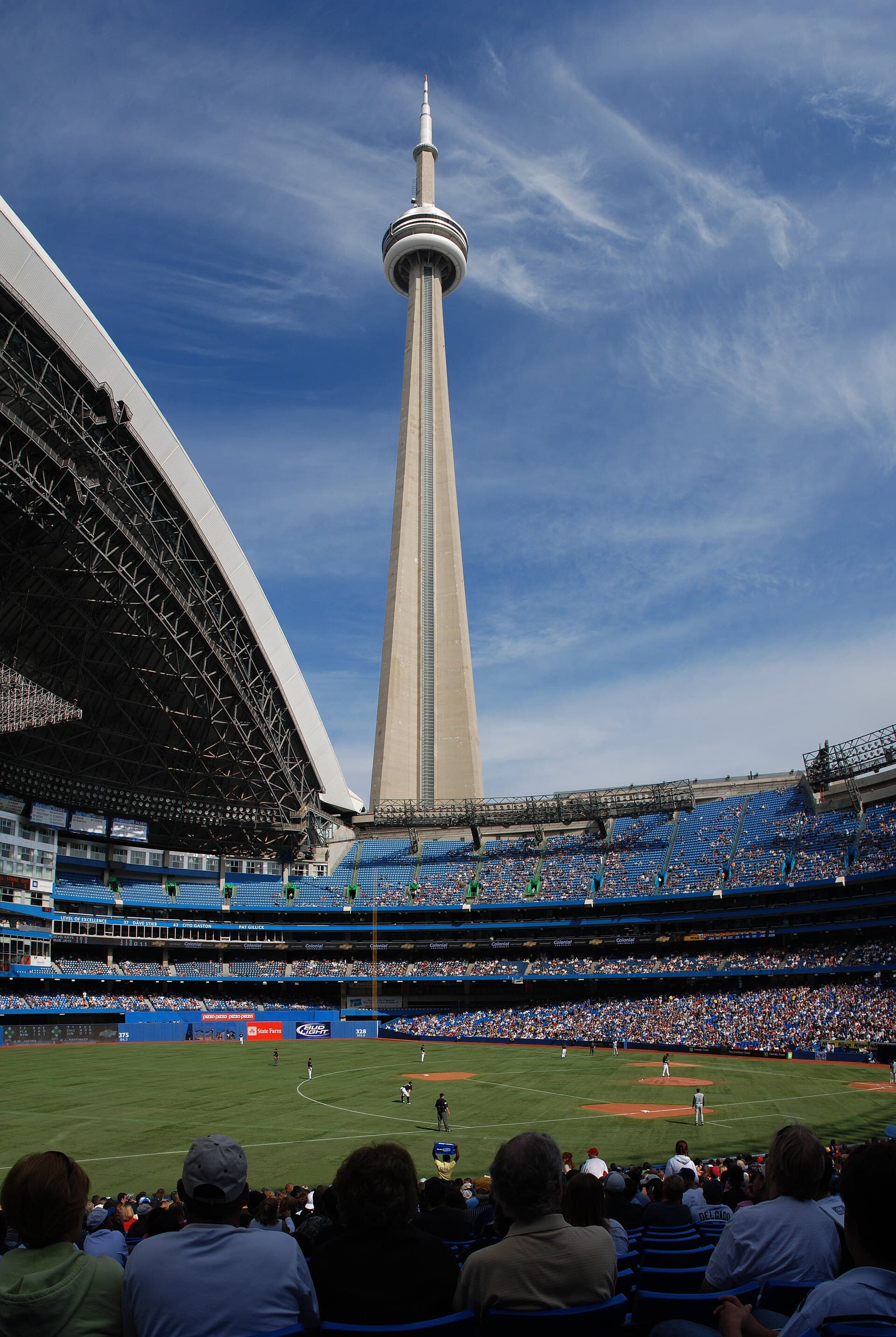
The Toronto Blue Jays are limping through May, sitting at 22-27 and in third place in the American League East as injuries pile up and a dismal road record drags on a season that began with far higher expectations. For Canada's only Major League Baseball team, the slow start has been a source of frustration for a national fan base that watched the club reach the American League Championship Series only last October. The early struggles stand in sharp contrast to the optimism that carried into the spring.
At the heart of Toronto's difficulties is a road record of 8-16, a figure that has undercut the team's overall results and exposed an inability to win consistently away from the Rogers Centre. The Blue Jays have been working through a series against the New York Yankees, one of the marquee rivalries in the division and a measuring stick for where the club stands against the East's stronger teams. Performing on the road remains one of the clearest areas where Toronto must improve if it hopes to climb the standings.
The numbers tell a story of inconsistency rather than collapse. Toronto remains within reach of the top of a competitive division, and a sub-.500 May is far from fatal over the course of a 162-game season. Still, the combination of mounting injuries and a poor showing on the road has put pressure on the roster and turned what was meant to be a continuation of last year's success into a test of patience and depth.
An uneven stretch of results
The recent schedule has captured the team's volatility. Toronto enjoyed a pair of convincing wins over Minnesota, taking games by scores of 7-3 and 11-4 that showcased the offence at its best, before dropping a tight contest to the Twins by a final of 3-4. Those results suggested a team capable of putting up runs in bunches but also one that could let close games slip away.
What followed was a more difficult stretch. The Blue Jays endured a run of losses to Tampa Bay, falling by scores of 1-5, 3-4 and 0-3 in a series that highlighted the team's struggles to generate offence consistently and to hold leads. The 0-3 shutout in particular underscored the kind of quiet night at the plate that has cropped up too often during the slump, and the narrow 3-4 defeat pointed to the margins by which the club has been losing.
Those losses to Tampa Bay came after the encouraging wins over Minnesota, illustrating how quickly momentum has shifted for Toronto this spring. The team has shown flashes of the form that made it a contender, only to follow them with stretches in which the bats fall silent and the pitching cannot quite hold the line. Stringing together consistent results has proven elusive.
Looking ahead, the schedule offers opportunities to steady the ship. Toronto has games against Pittsburgh and Miami coming later in the month, matchups that could allow the club to bank some wins and arrest the slide before the calendar turns. How the Blue Jays handle those contests will say a great deal about whether the recent rough patch was a temporary dip or a sign of deeper problems.
The pattern of close defeats has been especially difficult for the club to absorb. The one-run loss to Minnesota and the narrow defeats to Tampa Bay point to a team that has been competitive in most of its games yet unable to find the timely hit or the crucial out that separates winning clubs from also-rans. In a division as tight as the American League East, those small margins add up quickly, and Toronto has too often ended up on the wrong side of them during this stretch.
A pitching staff under strain
Nowhere has the season been more challenging than on the pitching staff, which has been hit by a series of injuries that have thinned the rotation and forced the club to adjust on the fly. The setbacks have come at an inopportune time, depriving Toronto of established arms during the very stretch in which it has been trying to find its footing.
Veteran right-hander Max Scherzer was placed on the injured list in late April with right forearm tendinitis and left ankle inflammation, the club said, and there is no firm timeline for his return. The loss of a pitcher of Scherzer's experience and pedigree removes a steadying presence from the staff, and the absence of a clear return date has complicated planning for a rotation already stretched thin.
The injury news did not stop there. Jose Berrios was set to undergo right elbow surgery, a significant blow that points to an extended absence for one of the rotation's mainstays. Younger pitcher Trey Yesavage has been dealing with a right shoulder impingement, though manager John Schneider said in recent updates that Yesavage recently showed encouraging signs in a minor-league appearance, offering a measure of hope amid the broader gloom on the pitching front.
Through the turbulence, Kevin Gausman remains part of the rotation, providing a measure of stability as the club works to cover the innings left by the injured arms. The depth of the staff is being tested in a way few teams would welcome, and the ability of the remaining pitchers to absorb the workload will be central to Toronto's hopes of turning the season around.
Guerrero anchors the offence
Amid the broader struggles, Vladimir Guerrero Jr. remains the centrepiece of the Toronto offence and a reason for optimism. He homered in a recent win, the kind of production the club has come to rely on from its franchise cornerstone, and his bat continues to be the engine that drives the lineup. When the offence has clicked, Guerrero has often been at the heart of it.
His presence in the middle of the order gives Toronto a foundation to build around, even when other parts of the lineup have gone quiet. The blowout wins over Minnesota demonstrated what the offence can do when it finds its rhythm, and Guerrero's ability to change a game with a single swing remains one of the team's most valuable assets through the uneven stretch.
For a club searching for consistency, the challenge has been surrounding Guerrero with enough complementary production to sustain offence night after night. The shutout loss to Tampa Bay was a reminder that even a strong individual presence cannot carry an offence on its own. Toronto will need contributions throughout the lineup to climb back toward the top of the division.
The contrast between the high-scoring wins over Minnesota and the quiet outings against Tampa Bay captures the central question facing the lineup. When Toronto strings together hits and gets runners aboard for Guerrero, the offence can overwhelm an opponent, as the 7-3 and 11-4 results showed. When the supporting cast goes cold, the runs dry up and even a productive night from the cornerstone is not enough. Finding the consistency to avoid those silent stretches will be one of the defining tasks of the weeks ahead.
Stability in the dugout
One source of continuity for the Blue Jays through the rocky start has been the position of manager John Schneider, who agreed to a contract extension through 2028 in an announcement made in March 2026. The extension signalled the organisation's confidence in Schneider's leadership and ensured that the club would not face questions about its dugout direction during a difficult patch on the field.
That stability matters during a slump, when speculation about a manager's future can become a distraction. With Schneider's status settled, the focus has remained on the roster and on working through the injuries and inconsistencies rather than on the man steering the ship. The extension gives him the runway to manage the season with a longer view, weighing short-term results against the larger arc of the campaign.
Schneider has also been the public voice on the injury situation, providing updates on the status of the pitching staff as the club navigates the absences. His recent comments on Yesavage's progress reflected the cautious optimism the team is trying to maintain, balancing realism about the setbacks with hope that reinforcements may eventually arrive to bolster the rotation.
Expectations and perspective
The frustration surrounding the slow start is amplified by what came before it. Toronto reached deep into the playoffs last October, advancing all the way to the American League Championship Series, a run that raised expectations and recalibrated what success should look like for the franchise. Against that backdrop, a sub-.500 record in May feels like a step backward to a fan base that tasted the later rounds of the postseason.
Yet the long arc of a baseball season offers important perspective. The MLB regular season spans 162 games, a marathon in which slow starts are common and recoverable. A poor May, even one marked by injuries and road struggles, leaves ample time for a team to right itself before the playoff picture takes shape. History is full of clubs that overcame difficult openings to contend deep into the autumn.
The injuries complicate that recovery, but they also create opportunities for younger players and depth pieces to establish themselves. How Toronto manages the absences of Scherzer and Berrios, and whether Yesavage can return to form, will shape the second act of the season. The club's ability to weather this stretch without falling too far behind in the standings is the immediate priority.
What's next
The schedule offers Toronto a chance to find some footing, with games against Pittsburgh and Miami arriving later in the month. Those matchups represent winnable opportunities for a club that needs to start banking results, particularly away from home where the 8-16 record has been such a drag. A strong showing could provide the momentum the Blue Jays have been missing.
On the pitching front, the focus will be on the recovery of the injured arms. Any positive developments with Yesavage's shoulder, along with clearer timelines for the others, would ease the strain on a staff that has been stretched thin. The performance of the remaining starters, including Gausman, will remain critical as the club tries to cover the innings left by the absences.
For now, the Blue Jays remain within striking distance in the American League East despite their losing record, a reflection of how competitive the division is and how much the season still has left to give. With Guerrero anchoring the offence, Schneider secure in the dugout and a long stretch of games ahead, Toronto has both the talent and the time to turn its difficult May into a footnote rather than the defining story of its season.
Spotted an issue with this article?
Have something to say about this story?
Write a letter to the editor